
Labour Members Lose Faith in Starmer's Leadership

Exclusive poll reveals majority of Labour members doubt PM Keir Starmer can revive party fortunes, with Andy Burnham emerging as preferred successor.
An exclusive survey has unveiled significant concerns within the Labour party membership regarding Prime Minister Keir Starmer's ability to navigate the party through its current challenges and restore its electoral competitiveness. The findings reveal a troubling gap between the party leadership and its grassroots support base, suggesting deep internal divisions that could shape Labour's political future in the coming months.
According to the comprehensive poll, a substantial majority of Labour party members have expressed serious doubts about whether Keir Starmer possesses the capability to reverse the party's recent electoral setbacks and regain public confidence. This lack of confidence among the party's core supporters raises critical questions about internal party cohesion and the stability of current leadership arrangements. The survey results underscore mounting frustration within Labour ranks over the party's strategic direction and performance in government.
The polling data reveals that 45% of surveyed members believe that Prime Minister Starmer should step down from his position, indicating a significant portion of the party wants to see a change in Labour leadership. This figure represents a notable shift in sentiment among party loyalists who are traditionally expected to support their elected leader. The substantial proportion calling for his resignation signals deeper organizational tensions that extend beyond typical policy disagreements.
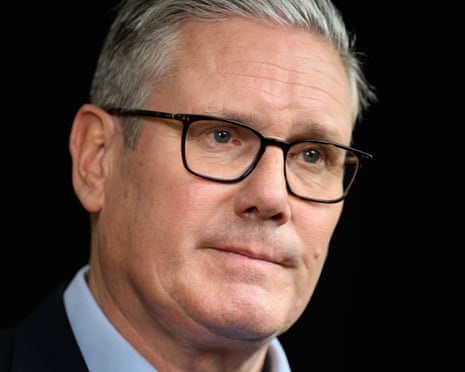
Andy Burnham, the Mayor of Greater Manchester, has emerged as the clear frontrunner among potential successor candidates according to the poll results. When asked to rank their preferred choice for a new party leader, an impressive 42% of surveyed members identified Burnham as their first preference. This strong showing suggests that Burnham's profile as a prominent regional politician with executive experience resonates strongly with the Labour membership base.
Burnham's appeal to party members likely stems from his high-profile tenure as Mayor of Greater Manchester, where he has overseen significant regional economic development and social policy initiatives. His track record in regional politics has established him as a competent administrator capable of managing complex governance challenges. The preference for Burnham among Labour members could reflect a desire for leadership with demonstrated administrative capabilities and public-facing success in local governance.
The poll findings carry substantial implications for Labour's internal political dynamics and organizational stability. When a majority of party members express doubt about their leader's ability to succeed and a significant minority actively call for his removal, it creates an atmosphere of uncertainty that could hamper the party's ability to project unity to voters. Internal party discord of this magnitude typically makes it more difficult for a party to communicate coherent messaging to the electorate and maintain party discipline on major policy initiatives.

The timing of this survey is particularly significant given recent electoral contests across England, Scotland, and Wales. The full results from these local elections provide important context for understanding the Labour party's electoral performance and the public mood regarding party leadership. These localized election results often serve as barometers of public sentiment and can significantly influence internal party morale and confidence in leadership direction.
Labour's performance in recent electoral contests has clearly influenced the membership's assessment of Starmer's effectiveness as party leader and Prime Minister. When parties experience difficulties at the ballot box, rank-and-file members often become more critical of leadership, viewing electoral results as evidence of strategic failures or messaging problems. The correlation between declining electoral performance and rising pressure on leadership is a well-documented pattern in British political history.
The emergence of alternative candidates like Burnham suggests that Labour members are actively considering what they perceive as more viable leadership options. The willingness of party members to express preference for alternatives indicates that dissatisfaction with current leadership is not merely a temporary reaction but reflects deeper concerns about strategic direction. This shift in member sentiment can have cascading effects on party fundraising, volunteer recruitment, and overall organizational morale.

Understanding the specific grievances driving this lack of confidence requires examining the policy challenges and public perception issues Labour faces. Members' doubts about Starmer's ability to revive party fortunes may stem from concerns about economic messaging, management of internal party divisions, or perceived failures in communicating Labour's policy agenda to the general public. The specifics of member discontent will prove crucial in determining whether leadership change could genuinely address underlying organizational problems.
The poll results demonstrate the complex relationship between party leadership and membership satisfaction in contemporary British politics. Unlike earlier eras when party members exercised more direct control over leadership selection, modern Labour party procedures involve multiple stakeholder groups. This multi-layered selection process means that membership opinion, while important, does not automatically translate into leadership change without broader coalition support among parliamentary colleagues and union affiliates.
For Keir Starmer, these findings represent a significant challenge to his authority and legitimacy within the party organization. Even if he maintains support from crucial stakeholders like parliamentary colleagues and affiliated unions, widespread member skepticism can undermine party unity and create obstacles to effective governance. A Prime Minister who lacks confidence from his own party membership faces inherent challenges in projecting strength and coherence in public leadership.
The broader implications of this poll extend beyond Labour's internal mechanics to affect British politics generally. When a major governing party faces significant internal divisions regarding its leader's viability, it creates opportunities for opposition parties to capitalize on perceived Labour weakness. The Conservative Party and other opposition groups will likely cite these internal divisions as evidence that Labour cannot effectively govern.
Looking forward, Labour faces critical decisions about how to address member discontent while maintaining governmental effectiveness. The party must determine whether internal reforms, policy adjustments, or leadership changes offer the most promising path toward restoring member confidence and public electoral support. The tension between addressing internal party concerns and maintaining focus on national governance challenges will define Labour's trajectory in coming months.
Source: The Guardian


