
Labour Left Pushes Miliband for Leadership Challenge

Labour MPs from the left wing urge Ed Miliband to consider leadership bid as Keir Starmer faces mounting pressure following election setbacks.
Labour party members from the left-leaning faction of the party are preparing to mount a significant push for Ed Miliband to step into the leadership contest, according to multiple sources within Westminster. The move comes as current Labour leader Keir Starmer braces for what appears to be an inevitable challenge from within his own parliamentary ranks in the coming week. The internal turbulence reflects deep divisions within the party following disappointing electoral outcomes.
The catalyst for this potential leadership upheaval stems from dismal results that Labour secured during Thursday's elections, which sparked immediate speculation about Starmer's position. The party had anticipated stronger performance at the ballot box, making the actual outcome a significant blow to the leadership team's authority and standing within the broader membership. Several senior figures within the party have begun privately discussing potential alternative candidates who could command support across different party factions.
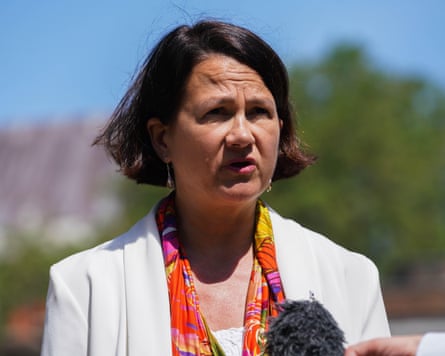
Catherine West, a respected former government minister, has emerged as a key figure willing to take action if the current impasse is not resolved quickly. She made a significant public statement indicating that if no current cabinet ministers come forward to challenge Starmer by Monday, she would personally take steps to trigger a formal leadership race. This ultimatum represents a direct challenge to sitting cabinet members to either publicly declare their intentions or face the possibility of an outsider candidacy.

The leadership challenge represents the culmination of tensions that have simmered beneath the surface of Labour politics for some time. Party insiders suggest that many MPs have grown increasingly frustrated with the direction and decision-making under Starmer's leadership, particularly regarding key policy positions and party strategy. The recent election results appear to have been the final straw for those seeking significant change in party direction and leadership approach.
Ed Miliband, who previously served as Labour leader from 2010 to 2015, has been identified as a potential unifying candidate who could bridge divisions between the party's left and center factions. His experience leading the party during a previous period, combined with his current role and profile within Westminster, makes him an appealing candidate to several different party constituencies. Miliband has not publicly commented on the speculation surrounding a potential bid for the top position.
The left-wing faction of Labour believes that Miliband possesses the political credibility and experience necessary to provide the party with renewed direction and momentum. These MPs argue that his background and previous tenure as party leader position him uniquely to address the concerns that have driven recent party instability. They contend that his candidacy could help restore party unity and rebuild public confidence following the electoral disappointment.
The timeline established by West creates a critical juncture for the party, with Monday serving as the effective deadline for cabinet ministers to publicly declare their positions. This compressed schedule reflects the urgency that some party members feel about resolving the leadership question quickly, allowing the party to move forward with a clear strategic direction. The pace of developments suggests that a formal contest could materialize within days rather than weeks.
Political analysts note that the emergence of this challenge reflects broader structural tensions within contemporary Labour politics, particularly between its traditional left-wing base and centrist elements. These divisions have shaped party dynamics for years but have been brought into sharper focus by recent electoral setbacks and questions about overall party strategy. The current situation represents perhaps the most significant internal crisis the party has faced since Starmer's election to leadership.
Cabinet ministers now face an unprecedented dilemma as they confront the practical reality of the situation presented by West and other left-wing MPs. Those with leadership ambitions must weigh the costs and benefits of declaring candidacy, while those without such ambitions must consider their position on supporting existing leadership or allowing an alternative candidate to emerge. The decisions made in the coming days will significantly shape the party's near-term future.
Party observers have noted that the current instability comes at a particularly challenging time for Labour, as the party seeks to maintain its position as a credible alternative government. The internal focus on leadership questions inevitably distracts from efforts to develop coherent policy platforms and maintain public messaging consistency. This distraction carries real risks for party positioning ahead of future electoral contests.
The potential leadership race could involve multiple candidates depending on how many cabinet members and other senior figures decide to enter the contest. Different candidates would likely appeal to different party constituencies, with some emphasizing continuity with current approaches while others advocate for significant strategic shifts. The nature and composition of the candidate field will ultimately depend on decisions made by various party figures in the coming days.
Sources within Labour's parliamentary party indicate that Miliband has received multiple soundings about his potential willingness to stand for election as party leader. While he has not publicly declared his intentions, those who have approached him suggest that he may be seriously considering the possibility. His decision could prove decisive in shaping whether a genuine multi-candidate contest materializes or whether a consensus candidate emerges.
The broader implications of the current situation extend beyond immediate leadership dynamics to encompass fundamental questions about the party's strategic direction and policy priorities. A new leadership team would likely bring different emphases to various policy areas, potentially reshaping Labour's positioning on key issues facing the country. This stakes involved in the coming contest are therefore substantial for both party members and the broader British electorate.
As Westminster awaits developments over the coming days, the Labour party faces a critical moment that could define its trajectory for years to come. The decisions made by cabinet ministers and other senior figures regarding whether to challenge Starmer will set the course for the party during a crucial period. The outcome of this internal struggle will significantly influence Labour's ability to maintain its position as a credible alternative government and to effectively challenge the current administration.


