
Korean Trot Music's Stunning Revival Defies Critics

Once dismissed as outdated, South Korea's traditional trot music is experiencing an unprecedented comeback, captivating new generations and reshaping the music industry.
Trot music, South Korea's traditional popular music genre that was once ridiculed as outdated and tacky by younger generations, is experiencing an extraordinary renaissance that has taken the entertainment industry by storm. This distinctive musical style, characterized by its repetitive rhythms and emotional vocal delivery, is now capturing the hearts of audiences across all age groups and establishing itself as a formidable force in Korea's competitive music landscape.
The resurgence of Korean trot represents one of the most surprising cultural phenomena in recent years, challenging preconceived notions about what constitutes modern entertainment. Television producers, music executives, and cultural critics who previously dismissed the genre are now scrambling to understand and capitalize on its unexpected popularity. The transformation has been so dramatic that industry insiders are calling it nothing short of a cultural revolution.
Dating back to the early 20th century, trot music emerged during Korea's colonial period and became deeply embedded in the nation's cultural fabric. The genre's name derives from the foxtrot dance rhythm, reflecting the Western musical influences that shaped its early development. For decades, trot served as the soundtrack to ordinary Korean lives, accompanying celebrations, heartbreaks, and everyday moments with its distinctively emotional and accessible melodies.
However, as South Korea modernized and embraced global pop culture trends, particularly with the rise of K-pop in the late 1990s and early 2000s, traditional trot music began to be perceived as embarrassingly old-fashioned. Young Koreans, eager to distance themselves from what they viewed as their parents' and grandparents' music, dismissed trot as cheesy, outdated, and incompatible with their contemporary lifestyle aspirations.

The tide began to turn with the emergence of innovative television programming that reimagined how trot could be presented to modern audiences. Shows like "Miss Trot" and "Mr. Trot" transformed the genre into a competitive spectacle, combining the excitement of talent competitions with the nostalgic appeal of traditional music. These programs didn't just showcase trot performances; they created compelling narratives around the artists, their struggles, and their dreams, making the genre more relatable to contemporary viewers.
The success of these trot competition shows has been nothing short of phenomenal, with viewership numbers that rival and often exceed those of major K-pop events. The programs have created new stars who appeal to audiences far beyond trot's traditional demographic, including young people who previously had no interest in the genre. These modern trot performers bring fresh energy and contemporary styling to classic songs while maintaining the emotional authenticity that defines the music.
What makes this revival particularly fascinating is how it has bridged generational divides in Korean society. Families who previously had little common ground in their musical preferences now find themselves united in their appreciation for trot. Grandparents who never stopped loving the genre are delighted to share their musical heritage with grandchildren who are discovering its charms for the first time. This intergenerational appeal has created a unique cultural moment where tradition and modernity coexist harmoniously.
The trot music comeback has also had significant economic implications for South Korea's entertainment industry. Record labels that had abandoned trot artists are now actively seeking new talent in the genre, while established K-pop companies are exploring ways to incorporate trot elements into their artists' repertoires. Concert venues that once struggled to fill seats for trot performances are now experiencing unprecedented demand, with tickets for popular trot artists selling out within minutes.
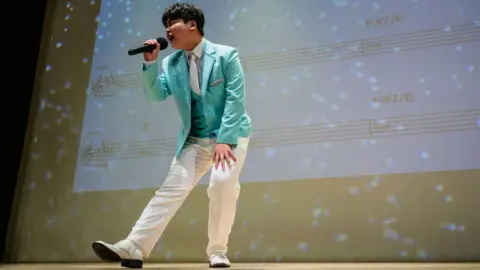
The influence of this revival extends beyond pure entertainment into broader cultural discussions about Korean identity and heritage. Cultural scholars note that the trot resurgence reflects a growing confidence in Korean traditional culture, paralleling the global success of other Korean cultural exports. Unlike the international focus of K-pop, trot's appeal is primarily domestic, suggesting a desire among Koreans to celebrate and preserve their unique cultural expressions.
Modern trot artists have skillfully adapted the genre's traditional elements to contemporary sensibilities without losing its essential character. They incorporate updated production techniques, fashion-forward styling, and social media savvy while maintaining the emotional directness and melodic accessibility that made trot beloved in the first place. This careful balance between innovation and tradition has been crucial to the genre's successful rehabilitation.
The phenomenon has also spawned a new ecosystem of trot entertainment, including variety shows, web content, merchandise, and even trot-themed restaurants and karaoke experiences. Social media platforms are flooded with trot covers, dance challenges, and fan-created content, demonstrating how the genre has successfully adapted to digital age marketing and audience engagement strategies.
Industry analysts predict that the trot revival is not merely a passing trend but represents a fundamental shift in Korean popular culture. The genre's ability to evolve while maintaining its authentic character suggests it has found a sustainable path forward in the modern entertainment landscape. This success story offers valuable lessons about cultural preservation, generational bridge-building, and the power of thoughtful modernization.
As Korean popular music continues to gain global recognition, the domestic success of trot provides an interesting counterpoint to the international focus of K-pop. While K-pop seeks to conquer world markets, trot's triumph lies in its ability to reconnect Koreans with their cultural roots while remaining thoroughly entertaining and relevant. This dual track approach to musical success demonstrates the richness and diversity of Korean musical culture.
The trot revival also highlights the importance of media presentation in shaping public perception of cultural forms. The transformation from "tacky" to "trendy" occurred not through changes to the music itself, but through innovative ways of presenting and contextualizing the genre for modern audiences. This lesson has implications far beyond music, offering insights into how traditional cultural forms can be revitalized and made relevant for new generations.
Looking forward, the sustained popularity of revived trot music will likely depend on the genre's ability to continue evolving while maintaining its distinctive character. The current generation of trot stars faces the challenge of building lasting careers beyond the initial novelty of the revival, while the industry must find ways to nurture new talent and maintain audience interest over the long term.
Source: BBC News


