
Jesse Jackson's Global Impact: Civil Rights Beyond Borders

From opposing apartheid to Palestinian rights, Jesse Jackson's activism transcended US borders, shaping international civil rights movements worldwide.
Jesse Jackson's influence as a civil rights leader extended far beyond American borders, establishing him as a formidable force in international activism throughout his distinguished career. His unwavering commitment to justice and equality manifested in campaigns spanning continents, from the anti-apartheid movement in South Africa to advocacy for Palestinian self-determination in the Middle East. This global perspective set Jackson apart from many of his contemporaries, positioning him as a visionary who understood that civil rights struggles were interconnected across nations and cultures.
The most telling example of Jackson's international advocacy came during his 1988 presidential campaign when he boldly pushed for the Democratic Party platform to include recognition of Palestinian statehood. This controversial stance generated intense opposition within party circles, demonstrating Jackson's willingness to champion unpopular causes he believed were just. James Zogby, who served as deputy manager of Jackson's presidential campaign, vividly recalls the hostile reception this proposal received from party leadership and establishment Democrats.
"While we had strong support from delegates at the convention, there was still a fear factor that the issue couldn't be discussed," Zogby remembers, highlighting the political climate surrounding Middle East issues in the late 1980s. The resistance was so intense that negotiators from Michael Dukakis's campaign, who ultimately secured the Democratic nomination, warned that even mentioning Palestinian rights could have catastrophic consequences for the party's unity and electoral prospects.
The Dukakis negotiators delivered an ultimatum that exemplified the political establishment's anxiety: "If you even say the P-word, you'll destroy the Democratic party." This warning reflected the deeply entrenched reluctance within American politics to engage with Palestinian issues, even as Jackson saw it as a natural extension of his civil rights advocacy. The threat demonstrated how Jackson's global activism often put him at odds with political pragmatists who prioritized electoral considerations over moral imperatives.
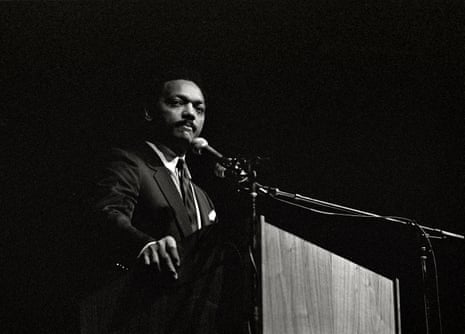
Despite the fierce opposition, Jackson's advocacy had already begun bearing fruit at the grassroots level across the United States. By the time of the 1988 Democratic National Convention in Atlanta, ten Democratic state parties had passed resolutions supporting Palestinian self-determination, indicating that Jackson's message was resonating with party activists and local organizers. These state-level victories represented a significant breakthrough in American political discourse on Middle East issues, even as the national party remained resistant to change.
Jackson's failure to secure platform language supporting Palestinian statehood at the national convention did not diminish the long-term impact of his advocacy. His willingness to raise these issues in mainstream American politics helped lay the groundwork for future discussions about Palestinian rights within Democratic circles. The seeds he planted in 1988 would eventually grow into broader acceptance of Palestinian perspectives within progressive movements decades later.
Zogby, who founded the Arab American Institute and worked closely with Jackson on Middle East issues, provides crucial insight into Jackson's prescient understanding of these complex geopolitical dynamics. "He was way ahead of the base," Zogby reflects, noting that Jackson's sophisticated grasp of international issues often surpassed that of his supporters. This intellectual leadership allowed Jackson to anticipate political developments that others couldn't envision, positioning him as a true visionary in international civil rights advocacy.
The depth of Jackson's understanding extended beyond simple solidarity statements to encompass nuanced appreciation of historical contexts and political realities. "Even the activists who supported Palestinians did not have the same depth of understanding," Zogby observed, highlighting how Jackson's comprehensive knowledge enabled him to articulate positions that resonated with affected communities while maintaining credibility with broader audiences.
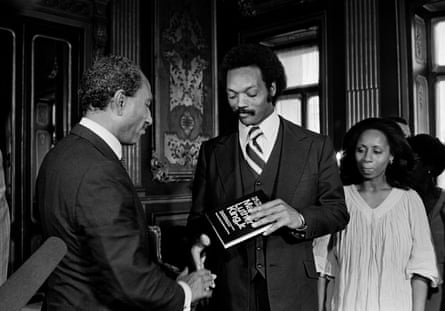
Jackson's global activism wasn't limited to Middle East issues but encompassed a broad range of international causes throughout his career. His opposition to apartheid in South Africa represented another cornerstone of his international advocacy, connecting the struggle against racial segregation in the American South with the fight against institutionalized racism in southern Africa. This global perspective allowed Jackson to build coalitions that transcended national boundaries and cultural differences.
The evolution of Democratic Party positions on Palestinian issues over the subsequent decades vindicated Jackson's early advocacy in many respects. What seemed politically impossible in 1988 gradually became more acceptable within progressive circles, as younger generations of activists and politicians embraced more critical perspectives on Israeli policies. Jackson's willingness to endure political costs for his principles helped normalize discussions that were once considered taboo in American political discourse.
Contemporary progressive movements have largely embraced the interconnected approach to social justice that Jackson pioneered, recognizing that civil rights struggles in different countries share common features and mutual influences. This evolution reflects the prescient nature of Jackson's global vision, which anticipated how modern activism would develop across national and cultural boundaries. His early recognition of these connections positioned him as a bridge between different liberation movements worldwide.
The courage Jackson demonstrated in challenging establishment positions on sensitive international issues established him as a role model for future activists willing to risk political capital for moral principles. His example showed that effective leadership sometimes requires taking unpopular stands that history will eventually vindicate, even when immediate political consequences seem severe.

Jackson's international legacy extends beyond specific policy positions to encompass a broader philosophy of global solidarity and shared humanity. His activism demonstrated that American civil rights leaders had responsibilities that extended beyond domestic concerns to encompass international justice issues. This perspective influenced subsequent generations of activists who adopted similarly expansive views of their obligations and opportunities.
The institutional impact of Jackson's work can be measured not only in changed policies but in transformed political discourse around international issues within progressive movements. His efforts helped create space for conversations that were previously impossible, enabling future leaders to build upon foundations he established through decades of persistent advocacy. The normalization of discussions about Palestinian rights within certain Democratic circles represents one concrete example of this long-term influence.
Zogby's reflection on Jackson being "way ahead of the base" captures an essential quality of transformative leadership: the ability to perceive future possibilities that others cannot yet imagine. Jackson's visionary approach to international activism required him to endure criticism from allies who considered his positions premature or politically damaging, yet his persistence ultimately contributed to significant shifts in political consciousness.
The global nature of Jackson's activism also reflected his understanding that American civil rights struggles were part of broader patterns of oppression and resistance worldwide. By connecting domestic and international issues, he helped American audiences understand how their own experiences related to liberation movements in other countries, fostering solidarity that transcended geographical and cultural boundaries.

Today's political landscape bears the imprint of Jackson's pioneering advocacy on international issues, even as debates continue about the specific policies he championed. His willingness to challenge conventional wisdom and endure political costs for his principles established a template for principled leadership that continues to inspire contemporary activists and politicians. The gradual acceptance of perspectives he advocated decades ago demonstrates the long-term impact of his visionary approach to global activism.
Source: The Guardian


