
ISS Atmosphere Leak Returns Despite Repair Efforts

NASA confirms Russian segment of International Space Station is leaking atmosphere again after recent repairs failed to resolve the persistent structural issue.
In a concerning development for space exploration efforts, NASA confirmed Thursday that the Russian segment of the International Space Station has begun leaking atmosphere into the vacuum of space once again. This recurrence represents a significant setback, as space agency officials had recently expressed optimism that the persistent problem had been successfully resolved through comprehensive repair and maintenance procedures.
The International Space Station leak originates from a critical component in the Russian orbital segment, a problem that has plagued mission controllers and engineers for more than six years. During this extended period, specialized teams from both Roscosmos and NASA have conducted meticulous monitoring and analysis to track the rate at which pressurized air escapes from the affected module. Despite their best efforts and advanced diagnostic techniques, pinpointing the exact source of the atmospheric loss has proven extraordinarily challenging for the international partnership.
The root cause of this recurring issue lies in microscopic structural cracks within the Russian module's hull. These minute fractures, invisible to the naked eye and difficult to detect even with sophisticated inspection equipment, have created pathways for station atmosphere to escape into the cosmic vacuum. The nature of these defects—their small size, their location, and their resistance to conventional repair methods—has made them exceptionally problematic to address effectively.
Earlier this year, specifically in January, NASA issued a statement announcing that following multiple detailed inspections and applications of specialized sealant compounds, the pressure readings within the affected segment had stabilized. Mission controllers believed they had achieved what they described as a "stable configuration" within the PrK module, suggesting that the leak had been adequately arrested and contained. This announcement had provided a measure of relief to space program administrators and the engineering teams who had invested considerable time and resources in addressing the problem.
The PrK module serves a critical function within the Russian segment of the space station, operating essentially as a transfer tunnel. This pressurized passageway connects to the Zvezda Service Module, one of the foundational components of the Russian orbital architecture on the ISS. The module's importance to station operations makes any atmospheric leak a serious concern, as maintaining proper pressure is essential for crew safety and the integrity of station systems.
The discovery that the leak has resumed raises important questions about the durability and long-term effectiveness of the repair methods employed. Engineering teams now face the prospect of renewed investigation into why the previous fixes proved temporary and what measures might be required to achieve a permanent solution. This situation underscores the inherent challenges of maintaining complex spacecraft systems in the harsh environment of low Earth orbit, where factors such as radiation exposure, thermal cycling, and micrometeorite impacts continually stress the structural integrity of orbital hardware.
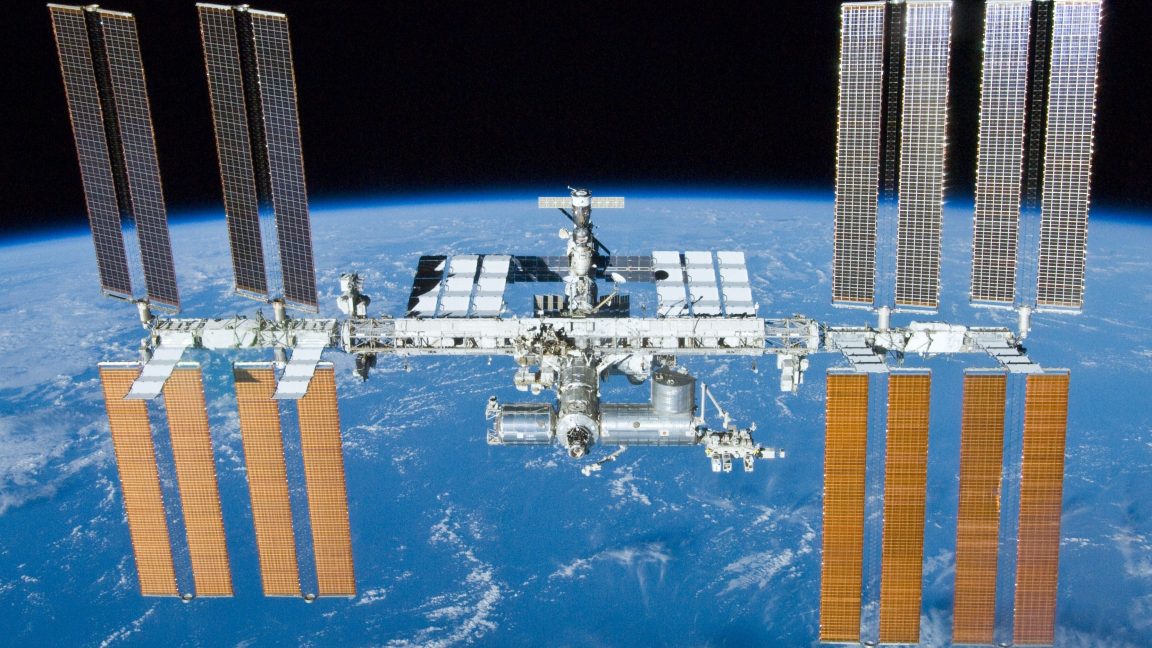
The timing of this leak's recurrence is particularly significant given the ongoing international cooperation required to maintain the space station. The ISS represents a remarkable collaborative achievement between the United States, Russia, Europe, Japan, and Canada, with each nation contributing critical modules and systems. When technical issues arise, especially those affecting the structural integrity or atmospheric integrity of major segments, they require coordinated responses that respect the technical expertise and responsibilities of all partner nations.
For the astronauts and cosmonauts currently aboard the station, the leak's reemergence necessitates careful monitoring of atmospheric pressure trends and continued adherence to contingency procedures. While the leak rate remains manageable and does not present an immediate threat to crew safety, it does require constant vigilance and represents an ongoing maintenance challenge that diverts resources and attention from other scientific and operational objectives.
The situation demonstrates the reality that spaceflight, even in the relatively accessible environment of low Earth orbit, remains an inherently challenging and demanding endeavor. Problems that appear solved can resurface unexpectedly, and long-term solutions require patience, ingenuity, and often multiple iterations before achieving success. Engineers and mission planners must now return their focus to the structural integrity issues that continue to affect this critical section of orbital infrastructure.

Looking ahead, mission controllers and engineering teams face the task of developing more permanent and robust solutions to the persistent leak problem. This may involve deeper investigation into the structural design of the affected module, enhanced inspection techniques to better locate microscopic cracks, or the development of improved sealant technologies capable of withstanding the extreme conditions of the space environment. The challenges presented by this recurring issue will likely inform approaches to maintaining not only the current station but also future orbital facilities.
Source: Ars Technica


