
Israeli Strikes Kill 10+ in Lebanon Post-Ceasefire

Deadly Israeli airstrikes in Lebanon mark some of the most severe attacks since the ceasefire ended the conflict with Hezbollah, escalating regional tensions.
Lebanese officials reported that Israeli airstrikes claimed the lives of at least 10 people across multiple locations in Lebanon, marking some of the deadliest attacks since the recent ceasefire agreement that temporarily halted hostilities between Israel and Hezbollah came to an end. The strikes represent a significant escalation in the ongoing conflict that has plagued the region for months.
The attacks occurred in the early hours, targeting what Israeli military sources described as strategic positions linked to Hezbollah infrastructure. Emergency responders and medical teams rushed to the affected areas, where the death toll continued to rise as rescue operations progressed throughout the day. Local hospitals reported treating dozens of wounded civilians caught in the crossfire of the renewed hostilities.
According to Lebanese health ministry officials, the casualties included both combatants and civilians, highlighting the complex nature of the urban warfare that has characterized this conflict. The ceasefire agreement that had provided temporary relief to the war-torn region officially expired last week, leading to an immediate resumption of military operations on both sides of the border.
International observers had warned that the fragile truce was unlikely to hold without substantial diplomatic intervention from regional and global powers. The ceasefire, which lasted approximately three weeks, had allowed humanitarian aid to reach affected populations and provided a brief respite for civilians caught in the conflict zone.
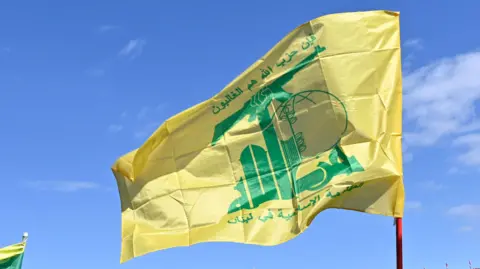
The Israel-Hezbollah conflict has its roots in decades of territorial disputes and ideological differences, but the current escalation began several months ago following a series of cross-border incidents. Both sides have accused each other of violating previous agreements and failing to honor commitments made during earlier negotiations.
Israeli Defense Forces (IDF) spokesperson confirmed that the military operations were conducted in response to what they termed 'imminent security threats' from Hezbollah positions in southern Lebanon. The strikes targeted weapon storage facilities, command centers, and rocket launching sites that Israeli intelligence claimed were being prepared for attacks against Israeli territory.
Hezbollah officials, speaking through their media channels, condemned the attacks as unprovoked aggression and vowed to respond with proportional force. The Iran-backed militant group has maintained a significant military presence in southern Lebanon despite international efforts to implement UN Resolution 1701, which calls for the disarmament of all armed groups in the region.
The resumption of violence has raised serious concerns among neighboring countries and international organizations about the potential for a wider regional conflict. Lebanon's caretaker government, already struggling with severe economic and political crises, faces additional pressure as the security situation deteriorates along its southern border.
United Nations peacekeeping forces stationed in southern Lebanon reported increased tensions in recent days, with both sides building up military positions and conducting reconnaissance operations. UNIFIL commanders had issued warnings about the likelihood of renewed hostilities if diplomatic efforts failed to extend the ceasefire agreement.
The humanitarian impact of the renewed fighting extends beyond the immediate casualties, as thousands of Lebanese civilians who had returned to their homes during the ceasefire are once again forced to evacuate border areas. Humanitarian organizations report that refugee camps and temporary shelters are reaching capacity as displaced families seek safety from the escalating violence.
Regional analysts suggest that the timing of the Israeli strikes may be connected to broader geopolitical developments in the Middle East, including ongoing tensions with Iran and concerns about weapons smuggling through Syrian territory. The complex web of alliances and proxy relationships in the region has made it increasingly difficult to contain conflicts within national borders.
Economic implications of the renewed conflict are already becoming apparent, with Lebanese businesses in border regions closing operations and agricultural activities in the south coming to a halt. The country's already fragile economy, dealing with currency devaluation and banking sector collapse, faces additional strain from the security crisis.
International diplomatic efforts are reportedly underway to prevent further escalation, with mediating countries including France, Egypt, and Qatar working to establish communication channels between the conflicting parties. However, previous mediation attempts have yielded limited success due to fundamental disagreements over security arrangements and territorial issues.
The European Union issued a statement calling for immediate de-escalation and respect for Lebanese sovereignty, while emphasizing the need for all parties to return to dialogue. EU officials expressed particular concern about the impact on civilian populations and called for unrestricted humanitarian access to affected areas.
Military analysts note that both sides have significantly upgraded their capabilities since the last major conflict in 2006, with Hezbollah acquiring advanced rocket systems and Israel developing sophisticated defense technologies including the Iron Dome system. This technological advancement has changed the dynamics of the conflict and potentially increased the destructive capacity of both sides.
The regional implications of the renewed violence extend beyond the immediate Israel-Lebanon border, with potential impacts on Syrian stability and broader Middle Eastern security arrangements. Iranian involvement through its support for Hezbollah adds another layer of complexity to efforts aimed at achieving lasting peace in the region.
Source: BBC News


