
Israel, Lebanon Extend Ceasefire Amid Ongoing Tensions

Israel and Lebanon agree to extend their ceasefire deal following President Trump's announcement. Despite the truce, both sides continue military operations and exchanges.
In a significant diplomatic development, Israel and Lebanon have agreed to extend their ceasefire agreement, according to an official statement released by the U.S. State Department. The extension comes after President Trump's initial announcement of the truce last month, which was intended to de-escalate tensions between the two nations and provide relief to civilians caught in the crossfire. The move represents continued international efforts to stabilize the volatile region and reduce military confrontations between the neighboring countries.
However, despite the formal agreement to extend the ceasefire, reports indicate that Israel and Hezbollah have not fully ceased their military operations. Both sides have continued to exchange fire across the border, raising concerns among international observers about the sustainability of the peace agreement. These ongoing skirmishes suggest that while diplomatic channels remain open, ground-level tensions persist and threaten to undermine the broader ceasefire framework established by the international community.
The initial ceasefire announcement by President Trump was widely regarded as a breakthrough in peace negotiations, following months of escalating conflict that displaced thousands of civilians and resulted in significant casualties on both sides. The agreement was brokered through intensive diplomatic channels involving the United States and regional stakeholders. Despite these promising initial developments, the continuation of sporadic military exchanges indicates that achieving lasting peace remains a complex challenge requiring sustained diplomatic engagement.
The U.S. State Department's confirmation of the ceasefire extension underscores Washington's commitment to maintaining stability in the Middle East region. American diplomatic officials have been actively involved in mediating between the Israeli government and Lebanese authorities to ensure compliance with the truce terms. This diplomatic involvement reflects broader American interests in preventing further regional destabilization and protecting civilian populations from the devastating effects of prolonged conflict.
Hezbollah's response to the ceasefire extension has been cautiously acknowledged by Lebanese officials, though the militant organization has maintained its right to respond to perceived Israeli provocations. The complexity of dealing with both state and non-state actors in the conflict adds layers of difficulty to peace negotiations. Lebanese government representatives have emphasized their commitment to enforcing the ceasefire terms within their territory, though controlling non-governmental actors remains a significant challenge.
The continuation of military exchanges despite the ceasefire agreement highlights the fragile nature of peace in the region. Military analysts suggest that both sides may be testing the boundaries of the agreement or positioning themselves for potential future negotiations. These tactical movements complicate efforts by international mediators who are seeking to create conditions for genuine de-escalation and eventual diplomatic resolution of underlying disputes.
International observers have emphasized the importance of sustained diplomatic engagement to maintain the ceasefire framework. Experts warn that without continued pressure from external stakeholders and commitment from both parties, the agreement risks collapsing entirely. The role of the United States as a neutral mediator has been crucial in keeping negotiations alive, though some critics question whether Trump's administration has allocated sufficient resources to monitor and enforce compliance with ceasefire terms.
The humanitarian implications of the ceasefire extension cannot be overstated, as civilians in border communities have been subjected to years of uncertainty and danger. The agreement, even if imperfectly implemented, provides some relief for families seeking to resume normal life and rebuild communities damaged by conflict. Aid organizations have been preparing to expand their operations in anticipation of sustained peace, though security concerns remain a barrier to comprehensive humanitarian assistance.
Regional stakeholders including Egypt and Saudi Arabia have expressed support for the ceasefire extension, viewing stability in the Israel-Lebanon region as essential for broader Middle Eastern peace efforts. These countries have contributed to diplomatic initiatives aimed at solidifying the agreement and preventing escalation. However, the geopolitical complexities of the region, including involvement from other international powers, continue to create variables that could affect the ceasefire's durability.
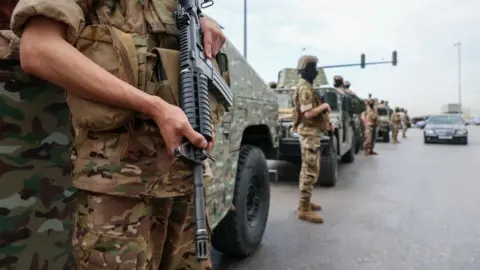
Military analysts assess that both Israeli and Lebanese forces maintain significant capabilities and readiness levels that could enable rapid escalation if the ceasefire deteriorates. The presence of military hardware and trained personnel on both sides of the border means that any breakdown in diplomatic relations could quickly translate into renewed hostilities. This precarious balance underscores the need for confidence-building measures and enhanced monitoring mechanisms to verify compliance with ceasefire provisions.
The path forward for Israel-Lebanon ceasefire sustainability depends on multiple factors including political will from leadership on both sides, continued international pressure and mediation, and the ability to address root causes of the conflict. Long-term solutions would require addressing underlying grievances, establishing security arrangements acceptable to both parties, and potentially involving more comprehensive peace negotiations. The current extension should be viewed as a stepping stone toward more durable peace arrangements rather than a final resolution.
Source: BBC News


