
Iran Nuclear Talks Heat Up as Trump Mulls Military Action

Iran's foreign minister prepares nuclear counterproposal while Trump considers limited strikes amid massive US naval buildup in Middle East.
Tensions in the Middle East have reached a critical juncture as Iran's nuclear negotiations with the United States enter a pivotal phase, with Tehran's foreign minister indicating that a comprehensive counterproposal could be ready within days. The diplomatic developments come against a backdrop of escalating military posturing, as former President Donald Trump has publicly stated he is contemplating limited military strikes against Iranian targets, raising alarm bells across the international community about the prospect of armed conflict in the region.
The Iranian foreign ministry's announcement regarding the nuclear counterproposal represents a significant diplomatic maneuver in what has become an increasingly complex geopolitical chess match. Sources close to the negotiations suggest that Iran's response will address key concerns raised during this week's talks while potentially introducing new conditions that could complicate the path forward. The timing of this counterproposal appears strategically calculated, coming as international pressure mounts and military assets continue to amass in the region.
Meanwhile, Trump's consideration of military action against Iran has sent shockwaves through diplomatic circles and raised serious questions about the potential for a broader regional conflict. Intelligence analysts suggest that any limited strikes could rapidly escalate beyond their intended scope, potentially drawing in regional allies and adversaries alike. The former president's statements have been interpreted by some as a negotiating tactic designed to increase pressure on Iranian officials, while others view them as a genuine threat that could materialize if diplomatic efforts fail to yield satisfactory results.
The most visible manifestation of rising tensions has been the unprecedented US naval buildup in the Middle East, which represents one of the largest concentration of American military assets in the region in recent years. This massive deployment includes the repositioning of multiple aircraft carriers, guided missile destroyers, and amphibious assault ships, creating a formidable naval presence that has not gone unnoticed by regional powers. Military experts note that such a deployment sends a clear message about American resolve while providing commanders with multiple options should the situation deteriorate further.
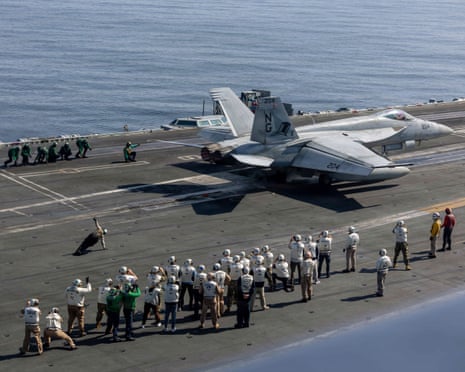
The strategic positioning of these naval forces in the Middle East has sparked intense debate among military analysts about the true intentions behind such a massive show of force. While some view it as a calculated intimidation tactic designed to compel Iranian concessions in nuclear negotiations, others argue that the deployment serves multiple purposes, including deterring potential Iranian aggression against regional allies and ensuring rapid response capabilities should hostilities commence. The presence of these assets has undoubtedly altered the strategic calculus for all parties involved in the ongoing crisis.
Regional allies have watched these developments with growing concern, as the prospect of military conflict threatens to destabilize an already volatile region. Intelligence sources indicate that several Middle Eastern nations have begun their own military preparations, including enhanced air defense systems and increased border security measures. The ripple effects of potential conflict extend far beyond the immediate participants, with global energy markets already showing signs of nervousness as oil prices fluctuate in response to each new development in the crisis.
The nuclear negotiations themselves have become increasingly complex, with both sides presenting demands that appear difficult to reconcile. Iran's anticipated counterproposal is expected to address uranium enrichment levels, international monitoring protocols, and sanctions relief, while potentially introducing new conditions related to regional security guarantees. American negotiators have indicated that any proposal must include verifiable commitments to limit Iran's nuclear capabilities and provide unprecedented access to international inspectors.
Diplomatic observers note that the current round of Iran nuclear talks differs significantly from previous efforts, largely due to the heightened military tensions and the explicit threat of force. This dynamic has created both opportunities and challenges for negotiators, as the urgency of the situation may compel compromises that were previously unthinkable, while simultaneously raising the stakes for failure. The international community has urged both sides to prioritize diplomatic solutions and avoid actions that could trigger an irreversible escalation.
The timing of Iran's counterproposal preparation coincides with increased activity at several Iranian nuclear facilities, according to satellite imagery analyzed by international monitoring agencies. These developments have added another layer of complexity to an already intricate situation, as any perception of accelerated nuclear activities could provide justification for more aggressive American responses. Iranian officials have insisted that all nuclear activities remain within the bounds of international agreements, while acknowledging the need for enhanced security measures given the current threat environment.
Congressional leaders from both parties have called for careful consideration of any military options, emphasizing the potential consequences of armed conflict in the region. Several senior lawmakers have requested detailed briefings on the military buildup and have expressed concerns about the escalatory potential of current policies. The debate in Washington reflects broader questions about the effectiveness of pressure tactics versus diplomatic engagement in resolving complex international disputes.
Intelligence assessments suggest that Iran's military capabilities have evolved significantly in recent years, including advanced missile systems and asymmetric warfare capabilities that could complicate any potential military engagement. These developments have influenced American military planning and contributed to the scale of the current naval deployment. Regional security experts warn that any miscalculation by either side could trigger a conflict with far-reaching consequences for global stability and economic security.
The international community has responded to the escalating tensions with calls for restraint and renewed diplomatic efforts. Several European allies have offered to mediate between the parties and have proposed additional confidence-building measures to reduce the risk of accidental conflict. These diplomatic initiatives represent important alternatives to military solutions, though their effectiveness will largely depend on the willingness of both Iran and the United States to engage constructively in the coming days and weeks.
Source: The Guardian


