
India Tightens Grip on Social Media: New Rules to Regulate News and Political Content

India's proposed social media regulations aim to increase government oversight of news-related posts by podcasters, influencers, and other online creators.
India's government has unveiled a set of new rules that would significantly tighten its grip on news-related content shared on social media platforms. The proposed regulations, which are currently open for public feedback, would grant authorities greater power to monitor and potentially remove posts by podcasters, influencers, and other online creators that discuss news or political topics.
The new rules are part of India's broader efforts to exercise more control over the digital landscape, particularly content that could be considered critical of the government or disruptive to the country's social fabric. Under the proposed framework, social media companies would be required to take down any news-related posts that are flagged by the government as false or misleading, with the potential for hefty fines or other penalties if they fail to comply.
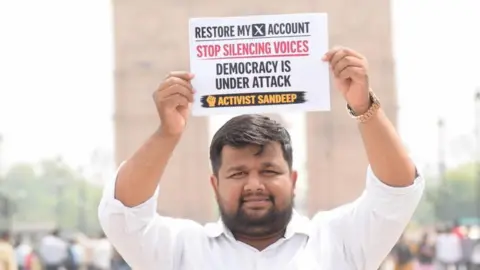
This latest move comes amid growing concerns over the spread of misinformation and the influence of social media on public discourse in India. The government argues that these new regulations are necessary to combat the proliferation of fake news and protect national security, but critics warn that they could be used to stifle free speech and independent journalism.
One particularly contentious aspect of the proposed rules is the requirement for social media platforms to obtain prior permission from the government before verifying the identity of certain high-profile users, such as journalists, activists, and politicians. This has raised fears that the government could use this process to selectively target and silence critical voices.

The regulations also call for the creation of a grievance redressal mechanism, where users can lodge complaints about content they believe to be false or harmful. While the intent is to provide a formal process for addressing concerns, there are concerns that this could be exploited to censor legitimate discourse.
As India's digital landscape continues to evolve, the battle over the regulation of online content is likely to intensify. These proposed rules represent a significant escalation of the government's efforts to exert greater control over the flow of information, and their implementation could have far-reaching implications for the country's democratic norms and freedom of expression.
Source: BBC News


