
India's Welfare Politics Losing Electoral Edge

Discover why traditional welfare programs no longer guarantee electoral victories in India as voters demand jobs, economic growth, and personal dignity.
India's political landscape is undergoing a profound transformation that challenges decades-old assumptions about what drives voter behavior during elections. While welfare politics has historically served as a cornerstone of electoral strategy for political parties across the ideological spectrum, contemporary Indian voters are sending a clear message that this approach alone is no longer sufficient to secure their support. The shift reflects deeper changes in voter priorities, economic aspirations, and expectations from their elected representatives.
For generations, welfare schemes have been instrumental in determining election outcomes across India. Government-subsidized food grains, cash transfer programs, housing schemes, and targeted benefits for marginalized communities created powerful voting blocs that politicians could reliably mobilize during election seasons. These initiatives addressed immediate material needs and created direct patron-client relationships between political parties and voters. However, contemporary electoral data and on-ground observations suggest that this traditional formula is becoming increasingly ineffective as the electorate's consciousness evolves.
The transformation is particularly evident in how younger voters approach electoral choices. While their parents and grandparents may have been content with basic welfare provisions, today's electorate—particularly in urban and semi-urban areas—seeks comprehensive pathways to economic self-sufficiency and social mobility. This demographic shift has prompted political scientists and election analysts to reassess their understanding of Indian voter behavior, revealing complex motivations that extend far beyond immediate welfare benefits.
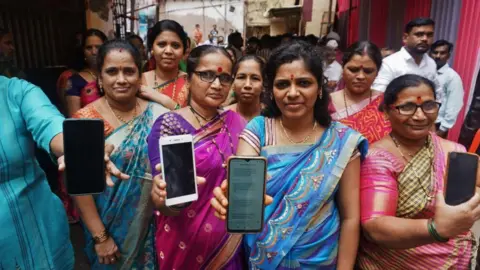
The demand for job creation has emerged as a dominant concern across multiple election cycles and survey findings. Unemployment, particularly among educated youth, has become a critical electoral issue that resonates across various socioeconomic backgrounds. Voters increasingly ask whether political parties have concrete plans to generate quality employment opportunities rather than relying on temporary welfare handouts. This represents a fundamental shift in voter mentality from accepting subsistence-level support to aspiring for dignified, sustainable livelihoods with growth potential.
Economic growth and development have become central to political discourse in ways that transcend traditional welfare messaging. Voters want to understand how parties plan to stimulate broader economic activity, attract investments, and create enabling environments for business and entrepreneurship. They recognize that personal prosperity cannot depend solely on government handouts and are increasingly sophisticated in evaluating parties' economic policies and track records. This intellectual evolution reflects India's expanding middle class and increasing access to information and education among previously marginalized populations.
Beyond material concerns, the demand for dignity and respect represents perhaps the most profound shift in voter priorities. Communities that were previously mollified by welfare benefits now seek recognition of their contributions to society, respect for their rights, and assurances that they won't be treated as permanent beneficiaries dependent on state charity. This psychological dimension of electoral politics cannot be overstated—voters increasingly reject the paternalistic framing inherent in traditional welfare politics, where politicians position themselves as benevolent providers to passive recipients.
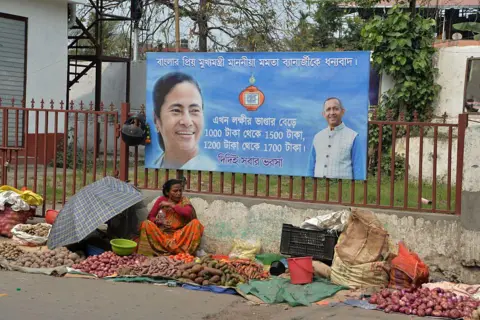
Regional variations in this trend provide illuminating insights into India's electoral complexity. In some states, traditional welfare politics maintains stronger relevance, particularly in rural areas with lower literacy rates and limited economic opportunities. However, even in these regions, younger voters demonstrate different priorities than their elders. The penetration of digital technology, improved transportation networks, and exposure to diverse economic models have created aspirations that welfare schemes alone cannot satisfy. Political parties that attempt to rely exclusively on welfare messaging in such areas increasingly find themselves losing ground to competitors who articulate broader visions of economic progress.
The political response to these shifting voter preferences has been varied and instructive. Successful parties have begun integrating skill development programs, emphasis on education, employment guarantees, and business support initiatives into their electoral platforms. They recognize that voters want to know not just what benefits they'll receive, but how they can become self-reliant and prosperous. This requires moving beyond the traditional welfare paradigm toward a framework that emphasizes empowerment, opportunity creation, and inclusive growth.
Survey research and electoral analysis consistently show that voters now evaluate parties on multiple dimensions simultaneously. While welfare provisions remain important—particularly as a safety net for vulnerable populations—they represent only one component of voter decision-making. Voters simultaneously consider economic performance, job creation records, infrastructure development, educational opportunities, and governance quality. This multidimensional evaluation reflects a more mature and demanding electorate that resists simplistic political messaging.
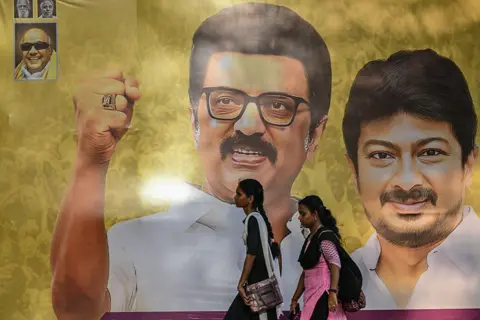
The phenomenon of voters moving beyond welfare politics has significant implications for electoral strategy and political party positioning. Parties that continue to rely primarily on welfare announcements and targeted benefit schemes risk losing relevance with an increasingly aspirational electorate. Instead, political success increasingly requires articulating compelling narratives about shared prosperity, inclusive growth, and opportunities for advancement. This demands more sophisticated policy development, better communication of economic visions, and demonstrated competence in governance and economic management.
The role of social media and digital connectivity in this electoral transformation cannot be overlooked. Voters now have access to diverse information sources, can compare party performances across different metrics, and can engage in political discussions with peers nationwide. This connectivity enables more informed decision-making and exposes voters to alternative perspectives and possibilities beyond their immediate communities. Political messaging that worked in the pre-digital era, when information was scarce and parties controlled narratives, proves less effective in contemporary information-rich environments.
Understanding this shift requires acknowledging that the change doesn't represent an outright rejection of welfare programs, but rather a reframing of what voters expect from their political leaders and governments. Welfare provisions will continue to matter, particularly for poor and vulnerable populations. However, these provisions must be complemented by credible commitment to job creation, economic growth, quality education, and institutional development. Voters increasingly view welfare as a necessary safety net rather than a primary source of prosperity, preferring to rely on their own economic engagement and opportunity creation for advancement.
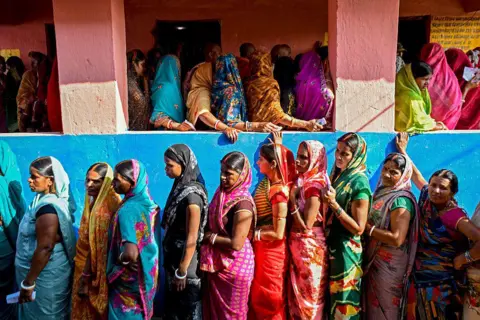
The implications of this electoral transformation extend beyond immediate political calculations. It suggests that Indian democracy is maturing in certain respects, with voters becoming more demanding and sophisticated in evaluating political performance. This evolution could potentially drive higher quality political discourse and more results-oriented governance, as parties compete to demonstrate competence and deliver tangible progress. However, it also risks leaving behind voters who lack the resources, education, or connectivity to participate in this more demanding political marketplace.
Looking forward, political parties at all levels must recognize that welfare politics alone no longer guarantees electoral success in contemporary India. Successful political movements will combine targeted support for vulnerable populations with credible strategies for broad-based economic growth, employment generation, and social advancement. They must speak to voters' aspirations for dignified livelihoods while maintaining commitment to protecting those unable to participate fully in market economies. The future of Indian electoral politics will likely belong to parties that understand this complexity and can articulate inclusive visions that satisfy both material needs and psychological desires for respect, opportunity, and progress.
Source: BBC News


