
India's Mango Farmers Fight Climate Change with Tech

Discover how Indian mango growers are embracing innovative farming techniques and modern technology to combat climate change challenges.
India's mango industry, worth billions of dollars and supporting millions of livelihoods, faces an unprecedented challenge as climate change transforms traditional growing patterns. The subcontinent's most beloved fruit, cultivated for over 4,000 years, now requires modern farming techniques to survive in an increasingly unpredictable environment. Agricultural experts and government officials are rallying farmers across India's major mango-producing states to embrace innovation or risk losing their harvests to extreme weather events.
The urgency of mango cultivation modernization has never been more apparent than in recent years, with erratic rainfall patterns, unexpected temperature fluctuations, and severe weather events wreaking havoc on traditional farming methods. Farmers in Uttar Pradesh, Maharashtra, Andhra Pradesh, and Karnataka – India's primary mango-growing regions – report significant losses due to unseasonal rains, drought conditions, and pest infestations that have become more frequent and severe. The situation has prompted agricultural scientists to develop comprehensive strategies that combine traditional knowledge with cutting-edge technology.
Climate data reveals that India's mango belt has experienced a 15% increase in temperature variability over the past two decades, creating conditions that disrupt the delicate flowering and fruiting cycles of mango trees. Climate-resilient farming practices are now essential for maintaining the quality and quantity of India's annual mango production, which exceeds 20 million tonnes. The unpredictability extends beyond temperature, with monsoon patterns shifting dramatically and creating either flood-like conditions or prolonged dry spells that stress the deep-rooted mango trees.
Leading agricultural universities and research institutions across India are developing comprehensive modernization programs that focus on precision agriculture for mangoes. These initiatives include soil health monitoring systems, weather prediction technologies, and integrated pest management solutions specifically designed for mango orchards. The Indian Council of Agricultural Research (ICAR) has established specialized centers dedicated to developing climate-adaptive mango varieties that can withstand temperature extremes while maintaining the fruit's signature taste and texture.
Water management represents one of the most critical aspects of mango farming modernization, with drip irrigation systems and moisture sensors becoming increasingly common in progressive orchards. Traditional flood irrigation methods, while deeply ingrained in farming culture, waste significant amounts of water and fail to provide the consistent moisture levels that mango trees require during critical growth phases. Smart irrigation systems now allow farmers to deliver precise amounts of water directly to root zones, reducing water consumption by up to 40% while improving fruit quality and yield consistency.
The integration of digital farming technologies has revolutionized how farmers monitor and manage their mango orchards throughout the growing season. Smartphone applications developed specifically for mango cultivation provide real-time weather updates, pest identification tools, and harvest timing recommendations based on local conditions. Drone technology enables farmers to survey large orchards efficiently, identifying areas affected by disease or stress before problems become widespread and costly to address.
Soil health monitoring has emerged as another cornerstone of modern mango farming, with advanced testing methods revealing nutrient deficiencies and pH imbalances that traditional methods often missed. Soil optimization techniques now include precise fertilizer application based on soil test results, organic matter enhancement through composting programs, and beneficial microorganism introduction to improve root health and nutrient uptake. These scientific approaches have shown remarkable results in improving both fruit quality and tree longevity.
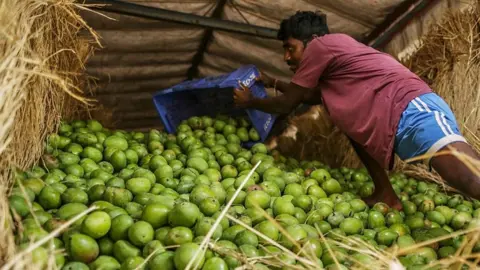
Post-harvest technology plays an equally important role in modernizing India's mango industry, with improved storage facilities, temperature-controlled transportation, and advanced packaging systems extending shelf life and reducing waste. Cold chain infrastructure development has enabled farmers to reach distant markets while maintaining fruit quality, significantly increasing their potential revenue per harvest. Value-added processing facilities are also emerging, allowing farmers to convert surplus or slightly damaged fruit into products like pulp, dried mangoes, and beverages.

Government initiatives supporting mango farming modernization include subsidized access to modern equipment, technical training programs, and financial incentives for adopting sustainable farming practices. The National Horticulture Mission has allocated substantial funding for upgrading mango cultivation infrastructure, while state governments provide specialized support for farmer education and technology adoption. These programs recognize that modernization requires not just new tools but also comprehensive knowledge transfer to ensure successful implementation.
Integrated pest management strategies have become essential as changing climate conditions create favorable environments for new pest species and disease pathogens. Biological control methods, pheromone traps, and targeted pesticide applications are replacing broad-spectrum chemical treatments that often disrupted beneficial insect populations. Early detection systems using sensor networks can identify pest infestations before they cause significant damage, allowing for more effective and environmentally friendly interventions.
The economic benefits of modernization extend beyond individual farms to entire rural communities dependent on mango cultivation. Improved yields and quality command higher market prices, while reduced input costs through efficient resource use increase profit margins. Contract farming arrangements with exporters and processors provide guaranteed markets for farmers who meet quality standards, creating incentives for continued modernization investment.
Training and education programs specifically designed for mango farmers focus on practical implementation of modern techniques while respecting traditional knowledge and practices. Farmer-to-farmer learning networks have proven particularly effective, with successful adopters of modern techniques sharing their experiences and results with neighbors and community members. Agricultural extension services now incorporate digital platforms and multimedia resources to reach farmers in remote areas.
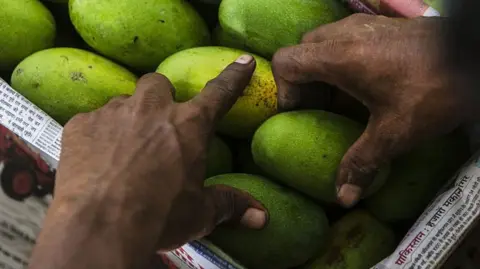
Research into climate-adaptive mango varieties continues to develop new cultivars that maintain traditional flavors while offering improved resistance to environmental stresses. These breeding programs combine conventional techniques with modern genetic analysis to identify traits that enhance heat tolerance, drought resistance, and pest immunity. Field trials across different agroclimatic zones ensure that new varieties perform well under various regional conditions before widespread adoption.
The transformation of India's mango farming sector represents a critical adaptation to climate change that could serve as a model for other tropical fruit industries worldwide. Success in modernizing mango cultivation will require continued collaboration between farmers, researchers, government agencies, and private sector partners. The stakes are high, as failure to adapt could jeopardize not only individual livelihoods but also India's position as the world's largest mango producer and the cultural significance of this cherished fruit in Indian society.
Source: BBC News


