
Iconic Cannon From Classic Western Found in Spanish Museum

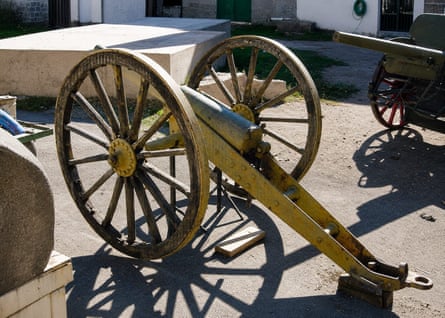
Researchers locate the actual cannon used in Clint Eastwood's legendary 1966 film 'The Good, the Bad and the Ugly' at a Spanish museum.
More than six decades after the release of Sergio Leone's masterpiece The Good, the Bad and the Ugly, one of cinema's most memorable props has finally been located. The cannon used in the iconic film has been discovered in a museum located in south-eastern Spain, bringing closure to a long-standing mystery surrounding the weapon's whereabouts. This remarkable find comes at an opportune moment, as fans and filmmakers prepare to celebrate the 60th anniversary of this groundbreaking spaghetti western classic.
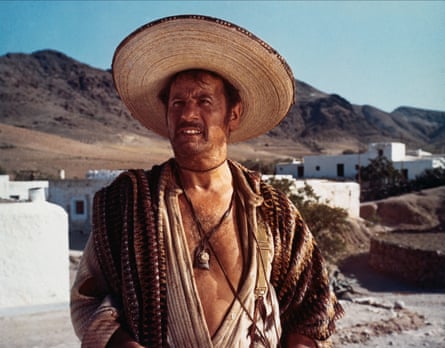
The legendary scene in question features Clint Eastwood in a moment of pure cinematic brilliance, using nothing more than a cigar to ignite the cannon's fuse. The blast that follows eliminates the fleeing character played by Eli Wallach in a sequence that has become etched in film history. The weapon itself was manufactured in Manchester, England, a detail that adds an intriguing layer to the international production that revolutionized Western cinema. For decades, film historians and enthusiasts have wondered about the cannon's fate after production wrapped.
The credit for this remarkable discovery belongs to the Sad Hill Cultural Association, a dedicated group of volunteers whose passion for preserving cinema history has become legendary in its own right. This organization has spent years meticulously restoring and maintaining the iconic graveyard location near Burgos in northern Spain, where Leone filmed the climactic cemetery scene that defines the final act of the film. The association's commitment to honoring the legacy of this masterpiece extends far beyond mere preservation—they have become stewards of a sacred space in cinematic history.

The discovery of the cannon represents far more than just locating a forgotten prop; it symbolizes the enduring cultural impact of The Good, the Bad and the Ugly on cinema worldwide. Released in 1966, the film fundamentally transformed how Western stories were told on screen, introducing innovative camera techniques, distinctive musical scores, and complex moral ambiguity to a genre that had previously relied on simpler narratives. The film's influence can be traced through countless productions that followed, from mainstream Hollywood blockbusters to independent films that drew inspiration from Leone's revolutionary approach.
Clint Eastwood's portrayal of the Man with No Name became the definitive anti-hero of cinema, challenging audiences' expectations about protagonist behavior and morality. The cigar-smoking, squint-eyed gunslinger became an archetype that would be referenced and homaged for generations to come. Eli Wallach's performance as Tuco Benedicto Pacifico Juan María Ramirez, known simply as the Ugly, provided an essential counterpoint that elevated the narrative complexity of the film. The dynamic between these characters, set against Leone's sprawling Spanish landscape, created something genuinely revolutionary for its time.
The Sad Hill Cultural Association's work has transformed the filming location into a pilgrimage site for cinema enthusiasts from around the globe. Over the years, the organization has invested countless volunteer hours in restoring the elaborate cemetery set that was built for the film's production. Their efforts have preserved not just the physical location, but the cultural memory embedded within it. The graveyard, which had fallen into disrepair, now stands as a testament to the power of dedicated fans and their ability to maintain artistic legacy.
The Manchester-made cannon's presence in the Spanish museum speaks to the international collaboration that characterized the production of The Good, the Bad and the Ugly. British industrial craftsmanship met Italian directorial vision, American star power, and Spanish landscapes to create something unprecedented. The weapon's journey from English factories to Spanish film sets to its final resting place in a museum mirrors the film's own trajectory from European production to global cultural phenomenon. This geographic and cultural convergence exemplifies how cinema serves as a universal language.
As the 60th anniversary of the film approaches, this discovery injects new energy into celebrations and retrospectives dedicated to Leone's masterwork. Film festivals, streaming platforms, and cinemas are preparing commemorative programming that will introduce new generations to this essential piece of cinema history. The cannon's emergence provides a tangible artifact that allows audiences to connect more directly with the filmmaking process and the creative choices that went into crafting one of the greatest films ever made.
The significance of this find extends beyond nostalgic interest in classic cinema. It demonstrates the ongoing scholarly and enthusiast-driven interest in understanding the technical aspects of filmmaking, particularly how practical effects were achieved in the pre-digital era. The cannon represents not just a prop, but a documented piece of film production history that provides insights into how scenes were constructed and executed. Experts and historians can now study the weapon in detail, potentially learning more about the production methods and choices that Leone and his team employed.
The Sad Hill Cultural Association's success in locating the cannon underscores the power of organized, passionate fan communities in preserving cultural heritage. These volunteer groups often accomplish what institutional resources might overlook, driven by genuine love for their subject matter rather than commercial incentives. Their work has established the Burgos graveyard as not merely a historical site, but as a living monument to the collaborative magic that happens when talented individuals unite to create something transcendent. The association continues to work on additional restoration projects and research initiatives related to the film's production history.
This discovery arrives at a pivotal moment in how we consume and celebrate classic cinema. Streaming services have made these films more accessible than ever before, allowing younger audiences to experience Leone's work without the barriers that once limited access to theatrical releases. The cannon's reappearance provides a compelling narrative hook for media coverage and fan engagement, reinvigorating interest in the film among both longtime devotees and newcomers. Museums and cultural institutions now have the opportunity to exhibit this piece of cinema history, making it accessible to audiences who might never visit the Spanish graveyard itself.
The journey of the cannon from The Good, the Bad and the Ugly serves as a metaphor for the film's own enduring legacy. Like the weapon itself, the film has proven impossible to lose or forget. It resurfaces continually in cultural consciousness, influencing artists, inspiring discussions, and captivating audiences across generations and geographic boundaries. As the 60th anniversary unfolds, this newly discovered artifact will undoubtedly become a centerpiece of celebrations, ensuring that Leone's vision and the remarkable craftsmanship of everyone involved in the production continues to be recognized and honored for decades to come.


