
ICE Facial Recognition Used in Violent Oregon Farm Worker Arrests

Bodycam footage reveals ICE agents violently arresting Oregon farm workers using facial recognition technology in what a judge ruled an unlawful operation.
Newly surfaced body-camera footage provides a stark look at enforcement tactics employed by federal immigration authorities during a controversial operation targeting agricultural workers in Oregon. The exclusive video evidence, obtained by the Guardian, documents an October 30, 2025 incident in which agents forcibly removed workers from a vehicle while deploying facial recognition software to identify individuals at the scene. The footage has since become central evidence in an ongoing legal battle scrutinizing the practices of Immigration and Customs Enforcement.
The operation unfolded as agents stopped a van carrying farm workers, with bodycam recordings showing officers smashing vehicle windows and forcefully extracting occupants during the chaotic encounter. According to the video documentation, federal agents utilized advanced facial recognition technology in an attempt to identify and track one of the detained individuals, raising significant questions about surveillance practices and biometric data collection methods used during immigration enforcement operations. The incident has drawn heightened scrutiny from civil rights advocates and legal experts concerned about the scope and legality of such tactics.
This disclosure emerged through court proceedings related to a class-action lawsuit that challenges the broader patterns of ICE arrest tactics and allegations of systematic racial profiling within the agency. Attorneys representing one of the farm workers detained during the operation shared the bodycam footage with media outlets to shed light on what they characterize as unlawful enforcement practices. The case represents a significant legal challenge to immigration enforcement methodologies and the use of emerging surveillance technologies in field operations.
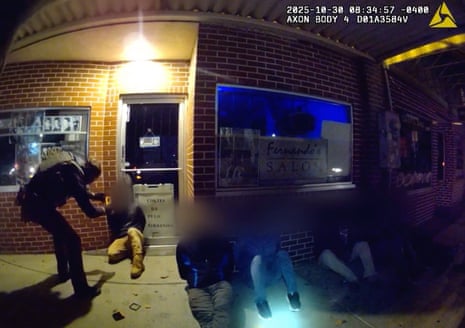
Legal experts observing the case have expressed considerable concern about the implications of deploying facial recognition during immigration enforcement stops. The technology, which has faced criticism for accuracy issues and potential bias against certain demographic groups, appears to have been employed without clear legal authorization or oversight mechanisms documented in the bodycam footage. A federal judge presiding over related litigation has already characterized the arrest as "unlawful," suggesting that courts may find fault with the operational methods demonstrated in the video evidence.
The use of facial recognition software by ICE agents raises substantial questions about privacy rights, due process protections, and the appropriate scope of surveillance technology in law enforcement contexts. Civil liberties organizations have long warned that such technologies disproportionately impact vulnerable populations, including undocumented immigrants and workers without proper documentation. The disclosed footage appears to validate concerns that these tools are being deployed in field operations without adequate safeguards or accountability mechanisms.
The October 2025 operation targeting the Oregon farm workers represents one of many enforcement actions conducted by ICE across agricultural regions, where immigrant workers constitute a substantial portion of the labor force. Agricultural enforcement operations have historically generated controversy due to the economic disruption caused by mass arrests and the questions raised about workplace safety and labor exploitation in industries that rely heavily on immigrant workers. The deployment of advanced surveillance technology in such operations adds another layer of complexity to existing debates about immigration enforcement strategies.

The class-action lawsuit challenging ICE arrest tactics encompasses broader allegations of racial profiling and discriminatory enforcement patterns. Legal representatives argue that the agency's practices disproportionately target individuals based on ethnic and national origin characteristics, rather than evidence-based suspicion of specific crimes. The bodycam footage serves as documentary evidence supporting claims that agents employed excessive force during apprehension while utilizing surveillance methods that may violate constitutional protections against unreasonable searches.
Bodycam footage has become increasingly important in documenting and challenging law enforcement practices across various agencies. In this case, the video evidence provides an objective record of how federal agents conducted the operation, including the apparent violence used to extract individuals from the vehicle. Such documentation can prove critical in legal proceedings, allowing judges and juries to evaluate whether officers adhered to applicable regulations and constitutional standards during enforcement actions.
The disclosure of this footage coincides with growing national debate about the appropriate use of surveillance technologies by government agencies. Privacy advocates have called for stronger restrictions on facial recognition deployment, particularly in contexts involving vulnerable populations who may lack legal status or resources to challenge misidentification. The Oregon farm worker case exemplifies concerns that such technologies enable more extensive monitoring and control without adequate legal safeguards or transparency measures.
Federal judges have begun to take seriously concerns about ICE enforcement practices, with recent rulings questioning the legality of operations that appear to lack proper constitutional grounding. The characterization of the October 2025 arrest as "unlawful" by the presiding judge suggests a skeptical judicial attitude toward the enforcement methods demonstrated in the bodycam footage. Such rulings could establish important precedents limiting the scope of immigration enforcement and the deployment of surveillance technologies in field operations.
The case highlights tensions between immigration enforcement objectives and constitutional protections that apply to all individuals within the United States, regardless of immigration status. Legal experts note that the Fourth Amendment protections against unreasonable searches and seizures extend to undocumented immigrants, yet enforcement practices sometimes appear to disregard these fundamental protections. The bodycam evidence provides concrete documentation of these concerns, making the case particularly significant for ongoing legal battles over immigration enforcement standards.
As the class-action lawsuit proceeds through the judicial system, the disclosed bodycam footage will likely play a central role in determining whether systemic reforms are necessary within ICE operations. The evidence may influence how courts evaluate similar cases involving immigration enforcement tactics and the deployment of surveillance technologies. Additionally, the case may prompt policy discussions at the federal level regarding appropriate standards for immigration enforcement and biometric data collection practices.
The broader context of agricultural labor and immigration enforcement reveals structural challenges within the system. Many farm workers operate in vulnerable positions with limited awareness of their legal rights or access to legal representation. Enforcement operations targeting agricultural sites can disrupt entire communities and supply chains while raising questions about whether such tactics effectively address underlying immigration policy objectives or simply impose enforcement burdens on particularly vulnerable worker populations.
Moving forward, the outcomes of this litigation may establish important precedents for how federal agencies can deploy surveillance technologies and conduct enforcement operations. The bodycam footage disclosed to the Guardian and introduced in court proceedings represents exactly the kind of documentary evidence that can shift public understanding of law enforcement practices and inform judicial decision-making. As courts grapple with these cases, they will help define the boundaries of permissible immigration enforcement tactics in the contemporary era of advanced surveillance technology.


