
ICC Judges Face Trump Sanctions: Life Under US Reprisals

International Criminal Court judges reveal how Trump sanctions disrupted their lives - from cancelled credit cards to closed Google accounts.
Two prominent judges from the International Criminal Court have broken their silence about the profound personal impact of living under sanctions imposed by former President Donald Trump's administration. Canadian Judge Kimberly Prost and Mexican Judge Luz del Carmen Ibáñez Carranza experienced firsthand how political retaliation can disrupt the most basic aspects of daily life, yet both remain steadfast in their commitment to international justice.
The revelation that she had been sanctioned came as a profound shock to Judge Prost, who has dedicated her career to prosecuting the world's most heinous crimes. For years, she has presided over cases involving war crimes, genocide, and crimes against humanity at The Hague, making carefully considered judicial decisions that impact victims and perpetrators across the globe. "It really was a moment of a bit of disbelief," Prost recalled, describing the surreal experience of finding herself categorized alongside terrorists and organized crime figures.
The Trump administration sanctions were not merely symbolic gestures but had immediate and tangible consequences for the targeted judges. Financial institutions quickly severed ties, leading to the abrupt cancellation of credit cards and banking services. Technology companies followed suit, with Google closing their accounts and cutting off access to essential digital services that most people take for granted in modern life.
These punitive measures extended far beyond professional inconvenience, affecting every aspect of the judges' personal lives. Simple tasks like online shopping, accessing email accounts, or using digital payment systems became impossible overnight. The sanctions effectively created a digital and financial exile for individuals whose only "crime" was fulfilling their judicial duties at an international court.
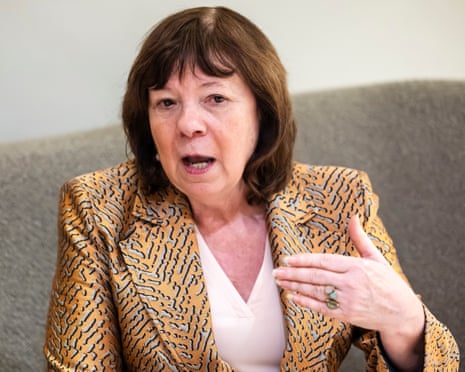
Judge Ibáñez Carranza, bringing a different perspective as a representative from Latin America, emphasized that these US reprisals would not deter the court from its essential mission. Her experience highlights how the sanctions affected judges from various backgrounds and nationalities, demonstrating the broad reach of the American government's displeasure with the ICC's investigations.
The sanctions were initially implemented in September 2020, when the Trump administration took the unprecedented step of targeting ICC officials, including then-Prosecutor Fatou Bensouda. The move was widely seen as retaliation for the court's investigation into alleged war crimes committed by US forces and the CIA in Afghanistan, as well as potential investigations into Israeli actions in Palestinian territories.
The practical implications of being designated under the same sanctions regime as international terrorists cannot be overstated. Banks and financial institutions, wary of violating US regulations and facing potential penalties themselves, immediately froze accounts and terminated relationships with the sanctioned individuals. This created a cascade effect that impacted everything from mortgage payments to basic grocery purchases.
Technology companies, many of which are US-based or have significant American operations, also moved swiftly to comply with the sanctions. The closure of Google accounts meant losing access not just to email, but to entire digital ecosystems including cloud storage, documents, calendars, and other essential tools that modern professionals rely upon daily.
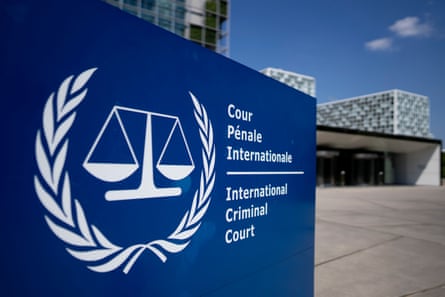
Despite these personal hardships, both judges have maintained their positions and continued their work at the ICC. Their resilience in the face of such pressure underscores the importance they place on international criminal justice and the rule of law. The court's mission to hold accountable those responsible for the gravest crimes of international concern remains unchanged, regardless of political pressure from powerful nations.
The sanctions represented a significant escalation in the United States' long-standing opposition to the International Criminal Court. While the US has never been a party to the Rome Statute that established the ICC, it had previously limited its opposition to diplomatic and political pressure rather than personal sanctions against court officials.
The targeting of individual judges raises broader questions about judicial independence and the protection of international legal institutions. Legal experts worldwide expressed concern that such measures could set a dangerous precedent, potentially undermining the ability of international courts to function independently of political pressure from powerful states.
The Biden administration later rescinded these sanctions, recognizing the damage they had caused to America's relationships with allies and international institutions. However, the experience of living under such measures has left a lasting impact on those who endured them, serving as a stark reminder of how quickly international cooperation can deteriorate when political interests clash with judicial independence.
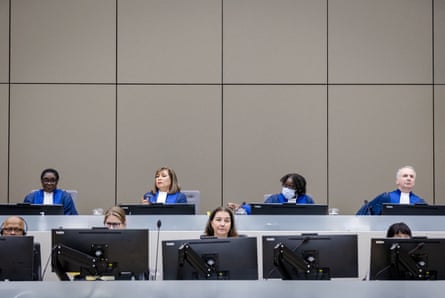
For Judge Prost, the experience has reinforced her commitment to the court's mission rather than deterring her from it. The Canadian jurist's background in international law and human rights prepared her for complex legal challenges, but nothing could have prepared her for becoming a target of international sanctions herself.
The case highlights the ongoing tension between national sovereignty and international justice, a debate that has characterized discussions about the ICC since its inception in 2002. Powerful nations, including the United States, Russia, and China, have consistently resisted the court's jurisdiction, arguing that it infringes upon their sovereignty and could be used for political purposes.
Judge Ibáñez Carranza's perspective adds an important dimension to this discussion, representing the views of nations that have embraced the ICC as a crucial mechanism for achieving justice when domestic courts are unwilling or unable to prosecute serious international crimes. Her unwavering commitment to the court's work despite personal costs exemplifies the dedication required to maintain international legal institutions in the face of political opposition.
The sanctions episode also revealed the extent to which modern life depends on digital and financial systems controlled by a relatively small number of corporations, many of which are subject to US jurisdiction. This dependency creates vulnerabilities that can be exploited for political purposes, raising questions about the need for more diverse and resilient international systems.
As the International Criminal Court continues its work under new leadership and with the sanctions lifted, the experience of these judges serves as both a cautionary tale and an inspiration. Their willingness to continue serving despite personal hardship demonstrates the importance of maintaining institutions dedicated to international justice, even when they face pressure from powerful adversaries.
The broader implications of this episode extend beyond the specific cases handled by the ICC. It illustrates how quickly international cooperation can be undermined when political considerations override commitment to shared legal principles and institutions. The experience of Judges Prost and Ibáñez Carranza reminds us that defending international justice often requires personal sacrifice from those brave enough to serve in these critical roles.
Looking forward, the international community must grapple with how to better protect judicial independence and ensure that international legal institutions can function effectively without fear of retaliation. The resilience shown by these judges in the face of unprecedented pressure offers hope that the principles of international criminal justice will endure, even in an increasingly polarized world.
Source: The Guardian


