
Hyatt Chairman Resigns Over Jeffrey Epstein Connections

Thomas Pritzker steps down as Hyatt executive chair after admitting 'terrible judgment' in maintaining ties with convicted sex offender Jeffrey Epstein.
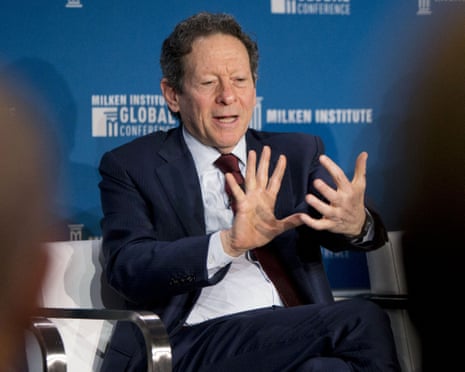
Thomas Pritzker, the billionaire heir to the Pritzker family fortune, has announced his resignation as executive chairman of Hyatt Hotels Corporation following public scrutiny over his connections to convicted sex offender Jeffrey Epstein. The decision marks a significant leadership change for one of the world's largest hospitality companies, as corporate America continues to grapple with the fallout from associations with the disgraced financier.
In a statement released by the company, Pritzker acknowledged that he had exercised "terrible judgment" in maintaining ongoing contact with both Jeffrey Epstein and Ghislaine Maxwell, who was convicted in 2021 on federal charges related to her role in recruiting and grooming underage girls for sexual abuse. The admission represents a rare public acknowledgment from a major corporate leader about connections to the Epstein scandal that has continued to reverberate through elite business and social circles.
The Pritzker family has long been one of America's most prominent business dynasties, with interests spanning hospitality, manufacturing, and real estate. Thomas Pritzker's involvement with Hyatt dates back decades, and his leadership has been instrumental in the company's global expansion and strategic development. His departure raises questions about the future direction of the hotel chain and the broader implications for corporate governance in cases involving executive misconduct or poor judgment.
Sources familiar with the matter indicate that Pritzker's ties to Epstein included social interactions and business discussions that continued even after Epstein's initial legal troubles became public knowledge. The nature and extent of these relationships had remained largely private until recent investigations and media reports brought them to light, creating mounting pressure for Pritzker to address his connections to the convicted sex offender.
The resignation comes at a critical time for the hospitality industry, which has been working to rebuild its reputation and financial stability following the challenges posed by the COVID-19 pandemic. Hyatt's board of directors will now need to navigate the transition in leadership while maintaining investor confidence and operational continuity across the company's global portfolio of properties.
Maxwell's conviction in December 2021 on charges including conspiracy to entice minors to travel to engage in illegal sex acts sent shockwaves through the network of wealthy and powerful individuals who had maintained connections to Epstein's circle. The British socialite was sentenced to 20 years in prison for her role in facilitating Epstein's abuse of teenage girls, and her case has continued to generate scrutiny of others who had dealings with the pair.
Industry analysts suggest that Pritzker's decision to step down proactively may help limit potential damage to Hyatt's brand and shareholder value. Corporate reputation management has become increasingly important in an era where social media and investigative journalism can quickly amplify controversies involving executive leadership. The hospitality sector, in particular, has faced heightened sensitivity around issues of safety and ethical conduct.
The Epstein scandal has already claimed numerous high-profile casualties across various industries, from academia to finance to retail. Prince Andrew stepped back from royal duties, MIT's Joi Ito resigned from multiple positions, and several other prominent figures have faced consequences for their associations with Epstein. Pritzker's resignation adds to this list and demonstrates the ongoing impact of the case years after Epstein's death in federal custody.
Hyatt's stock performance and market position will likely be closely monitored in the coming weeks as investors assess the potential impact of the leadership change. The company operates more than 1,000 properties worldwide and has built a reputation as a premium hospitality brand. Maintaining that market position will require careful management of both the transition process and any ongoing questions about corporate governance.
The timing of Pritzker's resignation also coincides with broader discussions about corporate accountability and the responsibilities of business leaders to exercise appropriate judgment in their personal and professional associations. Shareholders and stakeholders increasingly expect executives to demonstrate ethical leadership that extends beyond their direct business activities.
Legal experts note that while maintaining contact with Epstein may represent poor judgment, it does not necessarily indicate criminal wrongdoing on Pritzker's part. However, the court of public opinion often operates by different standards than legal proceedings, and corporate leaders must navigate both realms when controversies arise.
The Pritzker family's business empire extends far beyond Hyatt, with interests in private equity, manufacturing, and other sectors. Thomas Pritzker's resignation from Hyatt may prompt questions about his involvement in other family business ventures and whether similar scrutiny will extend to those operations.
As the hospitality industry continues to evolve in response to changing consumer expectations and market conditions, leadership stability becomes increasingly important. Hyatt's ability to maintain its strategic direction while managing this transition will be crucial for its competitive position in the global hotel market.
The resignation also highlights the ongoing challenges that organizations face when executive personal conduct becomes a potential liability for corporate reputation. Even associations that may have seemed acceptable at the time can become problematic as new information emerges and social attitudes evolve.
Moving forward, Hyatt's governance structure will need to address both the immediate leadership transition and longer-term questions about oversight and accountability. The company's response to this situation may serve as a model for how other organizations handle similar challenges in an increasingly transparent business environment.
Source: The Guardian


