
How Colonial Photography Shaped British India's Identity

A Delhi exhibition reveals 200 rare photographs showing how the British Empire used visual documentation to classify and control colonial India's diverse populations.
A groundbreaking exhibition currently on display in Delhi is shedding new light on one of the most powerful yet overlooked tools of colonial control: photography. The exhibition, featuring 200 rare photographs from the British colonial period, demonstrates how visual documentation became a systematic method for classifying, categorizing, and ultimately controlling India's diverse populations. These historical images reveal the calculated way in which colonial administrators used the camera as an instrument of power, forever altering how identities were perceived and recorded in the subcontinent.
The photographs on display span several decades of British rule, capturing not just moments in time but entire systems of colonial thought and administration. Through carefully curated portraits, landscape documentation, and ethnographic studies, the exhibition illustrates how colonial photography served multiple purposes beyond mere documentation. These images functioned as tools of surveillance, classification systems for different communities, and visual evidence to support colonial theories about race, caste, and social hierarchy that would have lasting impacts on Indian society.
Photography arrived in India in the 1840s, coinciding with the height of British imperial expansion across the subcontinent. Colonial administrators quickly recognized the medium's potential for creating comprehensive records of the territories under their control. Unlike written reports or verbal accounts, photographs provided what colonizers considered 'objective' evidence of the people, places, and customs they sought to understand and govern. This perceived objectivity became a cornerstone of colonial documentation, though modern analysis reveals the deeply subjective nature of these supposedly neutral records.
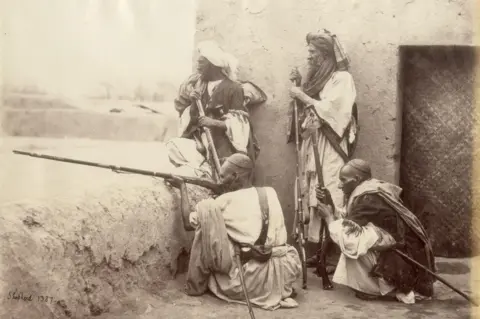
The exhibition demonstrates how British colonial administrators employed photography to create rigid categories for India's incredibly diverse population. Through systematic documentation projects, colonial photographers captured images of different communities, often organizing them according to European concepts of race, religion, and social status. These photographic surveys resulted in extensive archives that attempted to catalog and classify every aspect of Indian society, from tribal communities to urban merchants, from rural farmers to religious leaders.
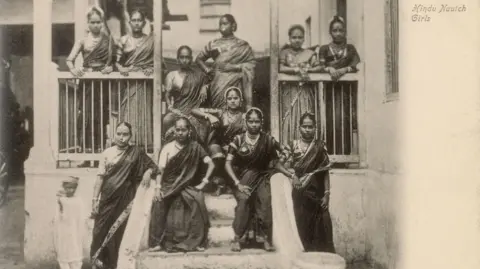
One of the most significant aspects revealed by these historical photographs is how they contributed to the crystallization of fluid identities into fixed categories. Before the colonial period, many communities in India maintained flexible social boundaries and multiple, overlapping identities. However, the photographic documentation process required subjects to be placed into specific, predetermined categories that aligned with colonial administrative needs. This process of visual classification often ignored the complex realities of Indian social structures, forcing dynamic communities into static boxes.
The technical aspects of early photography also played a crucial role in shaping these colonial narratives. The long exposure times required by early cameras meant that subjects had to remain perfectly still, often resulting in formal, rigid poses that conveyed authority and control rather than natural human expression. Colonial photographers frequently arranged their subjects in ways that emphasized hierarchy and difference, using clothing, positioning, and background elements to reinforce specific messages about power relationships and social order.
Many of the photographs in the Delhi exhibition were originally created for official colonial publications, including ethnographic studies and administrative reports sent back to London. These images served to satisfy the curiosity of British audiences about their empire while simultaneously justifying colonial rule through visual 'evidence' of the supposed need for Western guidance and control. The photographs often emphasized exotic differences or portrayed Indian subjects in ways that reinforced colonial stereotypes and assumptions.
The exhibition also highlights the role of Indian photographers and assistants who worked alongside British colonial administrators. While often uncredited in official records, these Indian practitioners played essential roles in the photographic documentation process, bringing local knowledge and technical expertise to colonial projects. Their contributions complicate simple narratives about colonial photography, revealing the collaborative yet unequal relationships that characterized much of the colonial documentation process.
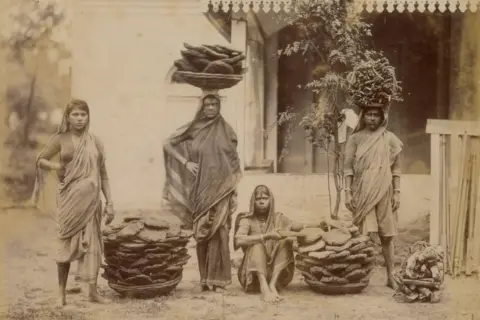
Modern scholars examining these historical photographs have identified numerous ways in which colonial visual documentation distorted Indian realities to serve imperial purposes. The selection of subjects, the framing of images, and the captions attached to photographs all reflected colonial biases and assumptions. Communities were often photographed in ways that emphasized their supposed primitiveness or exotic nature, while images of Indian modernity or resistance to colonial rule were systematically excluded from official archives.
The lasting impact of colonial photography extends far beyond the historical period in which these images were created. Many of the categories and classifications established through photographic documentation became embedded in post-independence Indian administrative systems, continuing to influence how communities are understood and governed today. The exhibition traces these connections between historical colonial practices and contemporary identity politics, showing how visual representations from the past continue to shape present-day discussions about caste, tribe, and community identity.
The curatorial approach of the Delhi exhibition emphasizes the importance of viewing these historical photographs with critical awareness of their colonial context. Rather than simply displaying the images as historical artifacts, the exhibition provides extensive commentary and analysis that helps visitors understand the political and social forces that shaped these visual records. This contextual framework is essential for appreciating how photography functioned as a tool of colonial knowledge production and control.
Contemporary Indian photographers and artists have increasingly engaged with this colonial photographic legacy, creating new works that challenge and reinterpret these historical images. Some contemporary projects involve rephotographing colonial sites or recreating historical images with different subjects and perspectives. These artistic interventions demonstrate ongoing efforts to reclaim visual narratives and challenge the authority of colonial documentation.
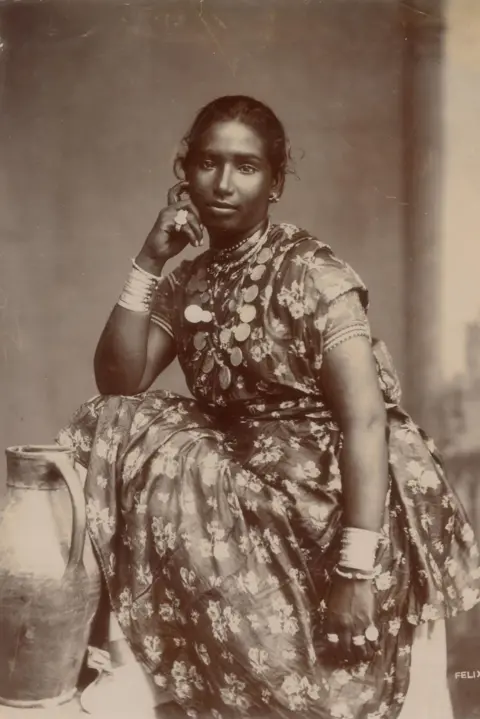
The technical innovation represented by colonial photography also had unintended consequences for resistance movements and anti-colonial organizing. While colonial administrators used cameras to document and control, Indian communities also learned to use photography for their own purposes, creating alternative visual narratives that challenged colonial representations. The exhibition includes examples of how photography became a tool for Indian self-representation and political organizing.
The preservation and presentation of these historical photographs raises important questions about how colonial archives should be maintained and interpreted in the post-colonial era. The Delhi exhibition represents one approach to engaging with this difficult heritage, emphasizing critical analysis while making these important historical documents accessible to contemporary audiences. The careful curation ensures that visitors understand both the historical significance and the problematic nature of colonial visual documentation.
The global context of colonial photography extends beyond India to other parts of the British Empire and other colonial powers. The techniques and approaches developed in India were often replicated in other colonial territories, suggesting a systematic imperial approach to visual documentation and control. This broader context helps illuminate the ways in which photography served imperial interests across multiple continents and cultures.
As the exhibition demonstrates, understanding colonial photography requires examining not just individual images but entire systems of visual production, circulation, and consumption. The photographs currently on display in Delhi represent only a small fraction of the vast colonial archive, but they provide crucial insights into how imperial power operated through visual means. These historical images continue to influence contemporary discussions about representation, identity, and the ongoing legacies of colonial rule in modern India.
Source: BBC News


