
Hockey's 'Lettuce' Hair Takes Hollywood by Storm

Ice hockey's signature 'lettuce' hairstyle flows from Winter Olympics to red carpets as celebrities embrace this softer mullet trend.
The world of hair trends has always drawn inspiration from unexpected places, but the latest craze sweeping through Hollywood has roots in the most unlikely of venues: professional ice hockey rinks. What started as locker room slang has evolved into a mainstream fashion statement that's capturing attention from the Winter Olympics to A-list red carpet events. The phenomenon known as lettuce hair represents a fascinating intersection of sports culture and high fashion, demonstrating how authentic style can transcend traditional boundaries.
This distinctive hairstyle, affectionately dubbed "lettuce" by hockey players due to its resemblance to leafy greens flowing from beneath a helmet, has undergone a remarkable transformation from niche athletic culture to mainstream appeal. The hockey hair trend gained significant momentum during recent Winter Olympics coverage, where viewers couldn't help but notice the flowing locks of athletes as they celebrated goals and victories. What many observers witnessed was not just athletic prowess, but a unique aesthetic that combined rugged masculinity with an almost ethereal flow of hair movement.
Unlike the harsh, angular cuts of traditional mullets that dominated the 1980s and early 1990s, lettuce hair offers a more refined and sophisticated approach to the classic "business in front, party in back" philosophy. The modern interpretation features carefully crafted layers that create natural movement and texture, with the top section maintaining enough length to allow for versatile styling options. Professional hairstylists describe this trend as revolutionary because it challenges conventional notions of what constitutes professional versus casual hairstyling.
The technical aspects of achieving the perfect lettuce cut require considerable skill and understanding of hair texture and growth patterns. Master stylists explain that the key lies in creating subtle gradations rather than dramatic length differences. The top portion is typically cut to fall between two to four inches, allowing for natural wave patterns to develop while maintaining enough structure for daily styling. The sides undergo a gentle tapering process that avoids the severe contrast found in traditional mullets, instead creating a seamless transition that appears almost effortless.
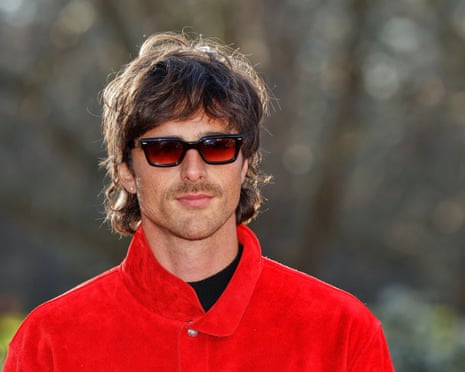
Celebrity adoption of the lettuce hairstyle has accelerated its journey from sports arenas to mainstream fashion consciousness. Several prominent actors and musicians have been spotted sporting variations of this distinctive cut at high-profile events, each bringing their own interpretation to the fundamental concept. The versatility of the style allows for personalization based on individual face shapes, hair textures, and lifestyle requirements, making it accessible to a broader demographic than its hockey origins might suggest.
Fashion industry insiders note that the appeal of lettuce hair extends beyond its visual impact to encompass deeper cultural meanings. In an era where authenticity and individuality are increasingly valued, this hairstyle represents a rejection of overly processed, artificial-looking cuts in favor of something that appears naturally effortless. The soft mullet trend speaks to a generation that appreciates craftsmanship while maintaining an air of casual confidence that translates well across various social and professional settings.
The maintenance requirements for lettuce hair strike an appealing balance between structured grooming and natural growth patterns. Unlike high-maintenance cuts that require frequent salon visits to maintain their shape, this style actually improves with time as the natural growth enhances the flowing, organic appearance that defines the look. Professional colorists have also embraced the trend, developing specialized highlighting and lowlighting techniques that accentuate the layered structure while adding dimension and movement to the overall effect.
Social media platforms have played a crucial role in popularizing the hockey lettuce hair phenomenon, with dedicated hashtags generating millions of views and inspiring countless tutorials and styling guides. Young people, in particular, have embraced the style as a form of self-expression that bridges the gap between athletic culture and fashion-forward thinking. The organic spread of this trend through digital channels demonstrates how authentic cultural movements can gain traction without traditional marketing campaigns or celebrity endorsements.
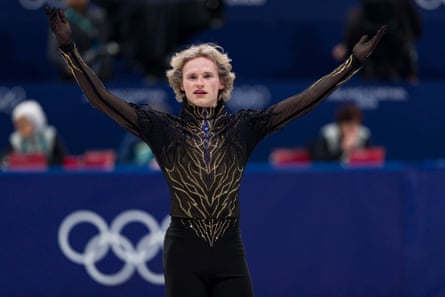
Professional hockey players, the original pioneers of this distinctive look, have expressed surprise and pride at seeing their signature style gain recognition in fashion circles. Many athletes note that what began as a practical consideration – hair that looks good flowing from beneath a helmet – has evolved into a symbol of their sport's unique culture and camaraderie. The crossover appeal has created unexpected connections between hockey communities and fashion enthusiasts who might never have otherwise intersected.
Hair care product manufacturers have responded to the growing demand by developing specialized formulations designed to enhance the natural texture and movement that define the lettuce hair aesthetic. These products focus on creating hold without stiffness, allowing the hair to maintain its flowing characteristics while providing enough structure to look intentional rather than unkempt. The science behind these formulations involves understanding how different hair types respond to various styling agents and environmental conditions.
The cultural significance of the lettuce hair movement extends beyond mere fashion trends to represent broader shifts in how society perceives masculinity and professional appearance standards. Traditional corporate environments are gradually becoming more accepting of diverse hairstyles, and the polished yet relaxed nature of the lettuce cut makes it suitable for various professional contexts. This evolution reflects changing attitudes about self-expression and the recognition that personal style can coexist with professional competence.
Regional variations of the lettuce hair trend have emerged as the style spreads across different geographical areas and cultural contexts. What remains consistent is the fundamental principle of creating natural-looking flow and movement while maintaining enough structure to appear intentionally styled. Professional stylists report that clients often bring reference photos from both hockey games and red carpet events, seeking to capture the essence of the look while adapting it to their individual lifestyle and preferences.
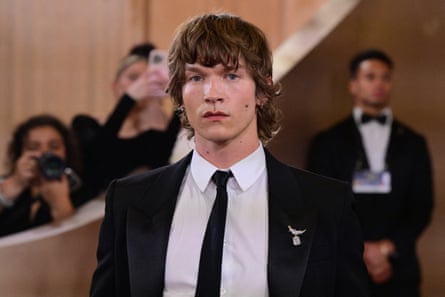
The technical training required for hairstylists to master the lettuce cut has led to specialized workshops and educational programs within the beauty industry. These sessions focus on understanding the mathematical principles behind creating seamless layer transitions and the artistic vision necessary to adapt the basic concept to different face shapes and hair textures. The complexity involved in executing the cut properly has elevated it from a simple trend to a recognized skill set within professional hairstyling circles.
Looking toward the future, industry experts predict that the lettuce hair trend will continue evolving rather than simply fading away like many fashion phenomena. The adaptability of the basic concept allows for endless variations and personal interpretations, suggesting longevity that extends well beyond typical trend cycles. As more people discover the practical benefits of a style that looks good with minimal daily maintenance while still appearing carefully crafted, the appeal continues to broaden across diverse demographic groups.
The intersection of sports culture and fashion represented by the lettuce hair phenomenon illustrates how authentic style movements can emerge from unexpected sources and gain widespread acceptance through genuine appeal rather than manufactured marketing campaigns. This organic development pattern suggests that future fashion trends may increasingly originate from subcultures and specialized communities rather than traditional fashion capitals, creating a more democratic and diverse landscape for style innovation and adoption.
Source: The Guardian


