
Havana Residents Fear US Strikes Amid Castro Charges

Cuban citizens express outrage over US indictment of Raúl Castro while serious concerns grow about potential military action against the island nation.
The streets of Havana are buzzing with conversation following a significant development in US-Cuba relations that has sent shockwaves through the Caribbean nation. Cuban residents are grappling with a sobering new reality as the United States has brought criminal charges against Raúl Castro, Cuba's 94-year-old former president, marking a dramatic escalation in tensions between the two neighboring countries. The indictment has sparked heated debates throughout Cuban society, with citizens expressing both outrage at the allegations and genuine concern about what this development might mean for their nation's future.
Among the most anxious residents of Havana are those who live in close proximity to senior government officials and military leaders. These neighborhoods have become focal points of nervous anticipation, as residents wonder what consequences might follow the US decision to prosecute the former leader. The uncertainty has created an palpable tension in these communities, with neighbors exchanging concerned glances and hushed conversations about the potential ramifications of the charges. For decades, such proximity to power was often considered a mark of status or security, but now it carries an undertone of apprehension.
What distinguishes this moment in Cuban history is the emerging consensus that military intervention by the United States is no longer merely theoretical or historical possibility. Rather, it is being discussed as a genuine and serious threat by ordinary Cubans across the island. This represents a notable shift in public perception, as many residents have grown accustomed to rhetoric about US aggression without necessarily believing that direct military action would be implemented. The indictment of Castro appears to have fundamentally altered this calculus in the minds of many Cubans.

The decision by American authorities to prosecute the 94-year-old former Cuban leader has proven deeply controversial within Cuba itself. Cuban officials and citizens alike have denounced what they view as an act of political aggression and a violation of international law. The charges are seen by many as part of a broader pattern of hostile US policy toward the island nation, stretching back decades to the early days of the Cuban Revolution. Public statements from government representatives have been particularly scathing, characterizing the indictment as an example of American imperialism and interference in Cuban sovereignty.
Beyond the immediate political controversy, the indictment has triggered deeper concerns about whether it represents the first step toward more aggressive US action. Some analysts and ordinary Cubans alike wonder whether US military strikes could follow, particularly if the Biden administration seeks to escalate pressure on the communist government. The timing of the charges, coupled with increased American military activity in the Caribbean region, has only amplified these anxieties. Military bases near Cuba have reported elevated readiness levels, further fueling speculation about potential intervention scenarios.
The neighborhoods where Cuba's most powerful figures reside have taken on an almost surreal atmosphere in recent days. Residents in these areas report increased police and security force presence, as well as what some characterize as nervous energy among their neighbors. Those living near military installations or government compounds speak of heightened alert status and preparations that suggest authorities are taking the threat of American military action seriously. The visible security measures have served to reinforce rather than alleviate public concerns about the possibility of conflict.
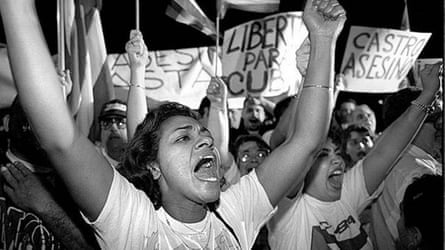
The indictment of Castro carries significant symbolic weight beyond its immediate legal implications. Raúl Castro, who led Cuba for more than a decade after his brother Fidel stepped down in 2008, remains an iconic figure in Cuban society despite his advanced age and retirement from public life. His prosecution represents an attempt by American authorities to hold aging revolutionary leaders accountable for alleged crimes, though the Cuban government maintains that such legal proceedings are tools of political pressure rather than genuine justice. The charges have unified Cuban public opinion in opposition to what residents view as foreign intervention.
International observers have noted that the timing and nature of the indictment suggest a hardening of US policy toward Cuba under the current administration. Relations between the two nations have remained tense despite periodic attempts at normalization, and the Castro charges appear to represent a rejection of diplomatic overtures in favor of a more confrontational stance. This shift has not gone unnoticed by Cuban officials or residents, who interpret it as a signal that American patience with the Cuban government may be wearing thin. The possibility of military action, once relegated to historical speculation or worst-case scenarios, now features prominently in public discourse.
For ordinary Cubans, the convergence of the Castro indictment, visible security escalations, and heightened military readiness has created a sense of genuine uncertainty about the near future. Families are having conversations about contingency plans and what they might do in the event of military conflict. Schools and workplaces have reportedly increased their disaster preparedness drills, adding another layer of concern to daily life. The mood in many parts of Havana has shifted from the relatively measured anxiety that has characterized US-Cuba tensions for decades to something more urgent and immediate.
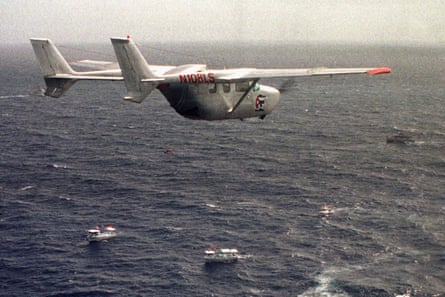
The role of Cuba's armed forces has come into sharp focus as residents consider various scenarios. Military leadership has issued statements emphasizing the nation's readiness to defend itself against any external threat, while also calling for calm among the civilian population. However, these reassurances have had limited success in reducing public anxiety, particularly given the vast military disparity between Cuba and the United States. Many residents understand intuitively that while Cuba's military would mount a determined defense, the outcome of any direct conflict would likely be heavily influenced by America's technological and logistical advantages.
Diplomatic channels between Havana and Washington remain open, but they appear increasingly strained. Cuban government representatives have demanded that the United States withdraw the charges against Castro, characterizing them as an impediment to any normalization of relations. Meanwhile, American officials have shown no indication of backing down from the prosecution, suggesting that the two sides remain far apart on fundamental issues. The stalemate has left Cuban residents in a state of limbo, unable to fully relax but also unable to take decisive action in response to the threat they perceive.
The broader geopolitical context adds another layer of complexity to the situation. Russia's invasion of Ukraine and the ongoing global realignment of power have made the Caribbean region increasingly relevant to great power competition. Cuba's strategic location and historical relationship with Russia mean that any military conflict involving the island could potentially have ramifications beyond the immediate bilateral relationship between Cuba and the United States. This awareness has led some international observers to warn against military escalation, concerned that events in the Caribbean could trigger broader regional instability.
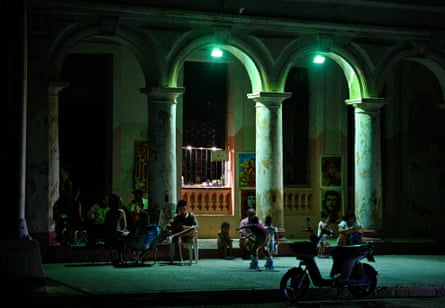
For now, Havana residents wait and watch, digesting the news and preparing for various contingencies. The question "who's your neighbor" has taken on new meaning in a city where proximity to power now carries hints of danger rather than privilege. The indictment of Raúl Castro may ultimately prove to be a symbolic gesture by American authorities, or it may mark the beginning of a dangerous new chapter in US-Cuba relations. Either way, the event has fundamentally altered the psychological landscape of Havana, replacing the familiar anxiety of cold war tensions with the more acute fear of imminent military possibility.
Source: The Guardian


