
Google's SynthID Watermarking Tech Gains Industry Adoption

Google's SynthID AI watermarking technology is expanding beyond the company with adoption from OpenAI, Nvidia, and others. Learn how it's changing AI detection.
Google's SynthID artificial intelligence watermarking technology represents a significant breakthrough in identifying AI-generated content in an era where synthetic media has become increasingly difficult to distinguish from authentic material. After successfully demonstrating this innovative approach three years ago, Google has now announced a major expansion of the technology beyond its own ecosystem. The advancement comes at a critical time, as the quality of artificially generated images, videos, and audio has improved dramatically, making traditional detection methods increasingly obsolete.
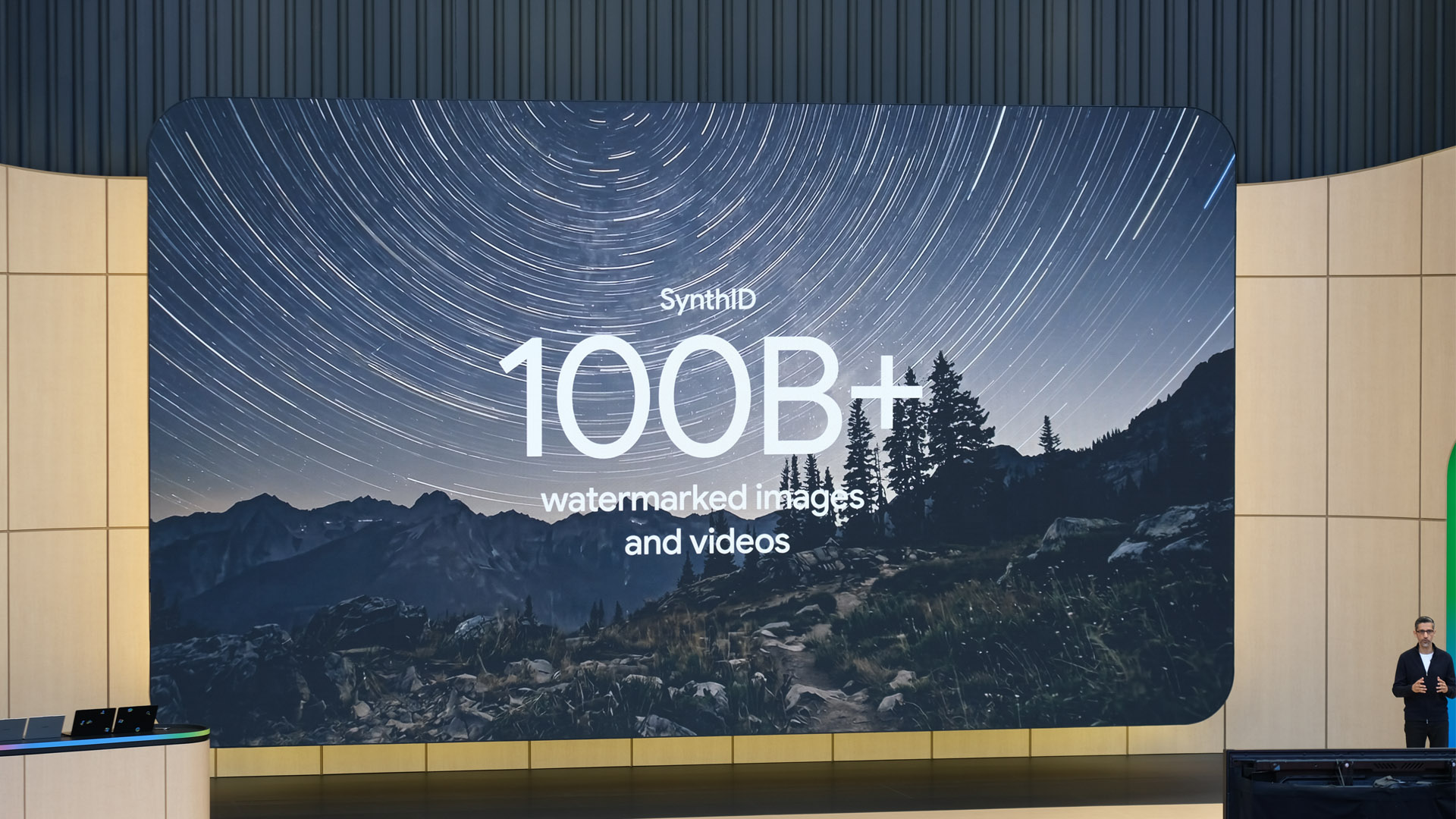
The scale of SynthID's impact is already remarkable, with Google revealing that the technology has been instrumental in labeling an astounding 100 billion images and videos, along with 60,000 years' worth of audio content. These impressive statistics underscore the growing importance of reliable AI detection methods in maintaining trust and authenticity across digital platforms. As generative AI continues to advance and become more accessible to users worldwide, the need for robust identification systems has never been more pressing. The expansion of SynthID adoption to major industry players like OpenAI and Nvidia signals a coordinated industry effort to establish standards for responsible AI deployment.
Beyond SynthID, Google has also committed significant resources to the C2PA standard, a comprehensive content authentication framework that attaches detailed metadata to digital files describing their creation and processing history. This dual-pronged approach demonstrates Google's comprehensive strategy for addressing the challenge of AI-generated media verification. The C2PA standard operates as a complementary system to SynthID, offering transparency about how content was created and modified throughout its lifecycle. By implementing both technologies, Google is creating multiple layers of protection against deceptive synthetic media.
Google has been gradually rolling out C2PA implementation across its product ecosystem, beginning with the Pixel 10 smartphones, which now automatically embed metadata describing how photos were processed. This integration represents a significant shift toward transparency at the hardware level, ensuring that AI-related content modifications are tracked from the moment of capture. When users employ advanced features like digital zoom that incorporate generative AI elements, the resulting images receive appropriate AI tags, allowing viewers to understand the technical processes involved in their creation. This approach puts consumers in a better position to make informed decisions about content authenticity.
The company has now announced that this same metadata-tagging feature is being extended to video content recorded on Pixel 8, 9, and 10 devices through an upcoming software update scheduled for the coming weeks. This expansion addresses a critical gap in content authentication, as video content often presents even greater challenges for detection and verification than still images. By enabling C2PA scanning capabilities across multiple device generations, Google is ensuring broader compatibility and adoption among its user base. The move demonstrates the company's commitment to establishing industry-wide standards rather than proprietary solutions that might fragment the market.

Adding another layer of sophistication to this ecosystem, Google is integrating C2PA scanning directly into Gemini, its advanced AI chatbot platform. This integration enables Gemini to analyze the provenance and creation history of files by examining their embedded content labels, effectively explaining to users the technical processes and AI involvement behind any given piece of media. This capability represents a significant step forward in making AI detection accessible to average users, not just technical experts. By providing clear explanations of file providence directly within a conversational interface, Google is democratizing access to content authentication information.
The expansion of these detection and verification tools is not limited to mobile devices and chatbots. Google has confirmed that identical C2PA scanning capabilities will be rolled out to its Chrome browser and Search platform within the next few months, fundamentally changing how users encounter and understand media authenticity across the entire web. This widespread implementation would represent one of the largest coordinated pushes toward AI content authentication in internet history. By embedding these capabilities into the browser and search engine that billions of people use daily, Google is positioning these tools as fundamental infrastructure for the modern web rather than specialized features for tech-savvy users.
The broader context of SynthID's expansion reflects a growing recognition within the technology industry that standardized solutions for AI content identification are essential for maintaining public trust. When OpenAI, Nvidia, and other major technology firms adopt compatible authentication systems, they create network effects that increase the value of each individual implementation. This collaborative approach differs from previous technology standards battles where companies competed for dominance, instead fostering a more unified ecosystem for digital authenticity verification. Industry experts have long argued that such standardization is necessary to prevent a fragmented landscape where different platforms use incompatible detection methods.
The timing of this expansion is particularly significant given recent developments in generative AI capabilities. As both text-to-image and text-to-video models have advanced to produce increasingly photorealistic content, the challenge of distinguishing synthetic media from authentic material has become exponentially more difficult. Traditional methods relying on visual artifacts—such as the infamous extra fingers that plagued early AI image generation—are no longer reliable detection techniques. Modern generative models produce content that can convincingly fool both casual observers and, in some cases, careful technical analysis, making invisible watermarking technologies like SynthID increasingly valuable.
Looking forward, the success of SynthID and C2PA adoption will likely depend on achieving near-universal implementation across major platforms and content distribution channels. If significant portions of the internet remain outside these authentication systems, their protective value diminishes considerably, as bad actors could simply operate on unverified platforms. The involvement of major players like OpenAI and Nvidia suggests that momentum is building toward comprehensive adoption, but sustained commitment from all stakeholders will be necessary for these systems to achieve their full potential. Google's willingness to share these technologies and work within established standards like C2PA demonstrates a mature approach to addressing challenges that affect the entire digital ecosystem, not just individual companies.
Source: Ars Technica


