
Google Launches AI-Powered Ad Formats in Search Results

Google reveals innovative AI-driven advertising formats for search. Discover how these new tools transform search advertising and what it means for marketers.
Google has officially announced the introduction of groundbreaking AI-powered ad formats designed specifically for its search platform, marking a significant milestone in the evolution of digital advertising technology. This highly anticipated announcement came during Google's annual developer conference, where the tech giant unveiled how artificial intelligence will fundamentally reshape the way businesses connect with potential customers through search advertising.
The new AI ad formats represent a substantial departure from traditional static advertising approaches that have dominated search results for years. By harnessing the power of machine learning and advanced algorithms, these innovative formats enable advertisers to create more dynamic, responsive, and contextually relevant advertisements that adapt in real-time based on user behavior, search intent, and demographic information. This shift underscores Google's commitment to leveraging cutting-edge artificial intelligence to deliver superior value to both advertisers and users.
One of the most compelling aspects of these new search advertising solutions is their ability to automatically optimize ad performance across multiple variations and formats. Rather than requiring advertisers to manually test different creative approaches, the AI technology handles the heavy lifting by analyzing vast amounts of data and determining which ad variations resonate most effectively with specific audience segments. This level of automation and intelligence represents a major advancement for marketers seeking to maximize their return on investment.
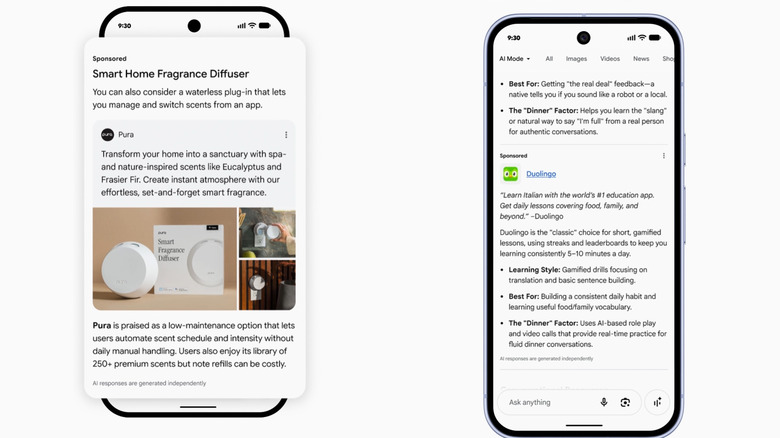
The integration of artificial intelligence in advertising also promises to enhance the user experience by ensuring that search results are accompanied by ads that are genuinely relevant and valuable to the person conducting the search. By utilizing sophisticated machine learning models trained on billions of search queries and user interactions, Google's platform can now predict with greater accuracy which products, services, and offers will be most interesting to individual users at the precise moment they're searching.
From a technical standpoint, these new formats leverage Google's advanced natural language processing capabilities and computer vision technologies to better understand both the content of user searches and the visual elements of ad creative. This dual-pronged approach allows for unprecedented levels of personalization and relevance, enabling advertisers to reach their target audiences with messages that feel tailored to their specific needs and interests. The technology also facilitates improved ad quality control and relevance scoring, which benefits the entire ecosystem.
Industry analysts have noted that this announcement positions Google as a leader in the rapidly evolving field of AI-driven marketing technology. The company's significant investments in machine learning research and development over the past decade have culminated in these powerful new tools that give advertisers unprecedented capabilities to reach and engage potential customers. This development is expected to influence how other major platforms approach their own advertising technologies.
For small and medium-sized businesses, the introduction of these AI ad formats could prove particularly transformative. Historically, smaller advertisers have lacked the resources and expertise required to execute sophisticated, data-driven advertising campaigns at scale. However, these new AI-powered tools democratize access to advanced advertising capabilities, allowing businesses of all sizes to compete more effectively in the digital marketplace. The automation features reduce the need for specialized expertise while improving overall campaign performance.
The implications for search engine marketing are substantial and far-reaching. Advertisers will need to adapt their strategies and approaches to take full advantage of these new capabilities. Rather than focusing exclusively on manual optimization and A/B testing, successful advertisers will increasingly rely on AI-assisted tools to inform their strategy, expand their reach, and improve their conversion rates. This represents a fundamental shift in how search advertising campaigns will be managed and optimized moving forward.
Privacy and data protection considerations have also been addressed in the development of these new formats. Google has incorporated privacy-preserving technologies and mechanisms to ensure that the use of AI in advertising doesn't compromise user privacy or violate emerging regulations like the General Data Protection Regulation and similar privacy laws worldwide. The company has emphasized its commitment to transparency and responsible AI development in all its advertising innovations.
Looking ahead, these new advertising technologies are likely to set new industry standards for how AI should be integrated into digital marketing platforms. As competitors observe Google's success with these tools, they will undoubtedly accelerate their own efforts to develop comparable AI capabilities. This competitive pressure could ultimately benefit advertisers and users alike by driving continuous innovation and improvement across the entire digital advertising ecosystem.
The announcement also highlights broader trends in the technology industry toward increased AI integration across consumer-facing products and services. Google has been positioning itself at the forefront of the artificial intelligence revolution, and these new advertising formats are a tangible demonstration of how AI can deliver practical, business-relevant benefits. The company's strategy of making AI accessible and useful to businesses of all sizes appears to be paying dividends in terms of both user adoption and competitive positioning.
As these new AI-powered ad formats roll out to advertisers globally, the digital marketing landscape will likely undergo significant transformation. Marketers and business owners should begin familiarizing themselves with these new tools and considering how they can be incorporated into their overall digital strategy. Early adopters who effectively leverage these capabilities may gain competitive advantages in their respective markets, while those who lag behind may find themselves at a disadvantage as more advertisers migrate to the new platform.
The introduction of these formats also underscores the continuing evolution of Google's business model and its relationship with advertisers. By providing more sophisticated tools and better performance outcomes, Google aims to increase advertiser spending while simultaneously improving the quality and relevance of ads served to users. This win-win approach has proven successful throughout Google's advertising history and appears to be the strategy driving these latest innovations.
Source: Engadget


