
Ghost Brokers Scam Young Drivers With Fake Car Insurance

Finance watchdog reveals how fake car insurance brokers target young drivers through social media, putting millions at risk of driving uninsured.
The Financial Conduct Authority (FCA) has issued a stark warning about the growing threat of ghost brokers operating sophisticated insurance scams across social media platforms. These fraudulent operators are deliberately targeting young and inexperienced drivers, exploiting their lack of familiarity with legitimate insurance processes and their desire for affordable coverage. The scam has become increasingly prevalent, with authorities reporting a significant uptick in complaints over the past year, raising serious concerns about road safety and consumer protection in the digital age.
Fake car insurance schemes operate by creating convincing online presences that mimic legitimate insurance brokers and providers. These criminals use professional-looking websites, convincing social media profiles, and carefully crafted marketing materials to establish false credibility. They often advertise rates that seem too good to be true, which is precisely the point—these bargain prices are designed to lure vulnerable consumers who are searching for budget-friendly options online. The fraudsters then collect payment from unsuspecting customers, pocket the money, and vanish without actually providing any insurance coverage whatsoever.
Social media platforms have become the primary hunting ground for these bogus insurance brokers. Instagram, TikTok, Facebook, and Twitter see countless targeted advertisements each day promoting suspiciously cheap insurance premiums to young audiences. The scammers leverage social media's algorithmic targeting capabilities to identify and reach their ideal victims—typically first-time drivers aged 17 to 25 who are most likely to be attracted by discount offers. By operating through social channels, these fraudsters create a false sense of legitimacy, as they appear to be ordinary online businesses rather than criminals engaged in organized fraud.
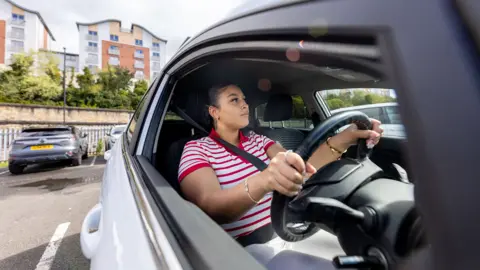
The consequences of falling victim to this scam extend far beyond financial loss. Drivers who unknowingly purchase fraudulent insurance policies are technically driving uninsured vehicles, which is illegal in the United Kingdom and most other jurisdictions. This creates substantial legal and financial exposure for victims, who could face penalties, driving bans, vehicle impoundment, and criminal charges if stopped by law enforcement. Insurance companies have no record of coverage, and victims are left entirely exposed in the event of an accident, potentially facing liability for damages, injuries, and medical costs that could amount to hundreds of thousands of pounds.
The FCA has identified several red flags that consumers should watch for when evaluating insurance offers online. Legitimate brokers are always registered with the FCA and can be verified through the official financial services register. Offers that dramatically undercut standard market rates, pressure for immediate payment through unusual methods like cryptocurrency or gift cards, and requests for payment before policy documents are provided are all serious warning signs. Additionally, poor website design, spelling errors, vague contact information, and lack of transparent terms and conditions are common characteristics of fake insurance providers.
Young drivers are particularly vulnerable to these scams for several interconnected reasons. As first-time insurance customers, they often lack the experience to identify fraudulent operators and may not know what legitimate processes should entail. The high cost of car insurance for young drivers, typically two to three times more expensive than coverage for drivers over 25, creates strong financial incentive to seek out supposedly cheaper alternatives. Many young people are also digital natives who conduct most of their shopping and transactions online, making them more likely to encounter and respond to social media advertising than traditional demographics.

Identity theft and personal data breaches represent another significant risk associated with ghost broker scams. When victims provide personal information—including names, addresses, bank details, and insurance histories—to fraudulent operators, that sensitive data is often sold to criminal networks or used for further scams. Some victims have reported subsequent fraudulent transactions on their accounts and discovery that their identities have been used to create fake insurance policies in their names. This compounding fraud can take months or years to fully resolve, creating lasting damage to victims' credit ratings and financial security.
The FCA has ramped up enforcement efforts against these criminal networks, but the decentralized nature of online fraud makes enforcement challenging. Many ghost brokers operate from international locations where they can evade UK law enforcement, using virtual payment systems and cryptocurrency to hide the flow of stolen money. The ease of creating new fraudulent accounts and changing online identities means that even when platforms remove scam profiles, the criminals simply establish new ones. Authorities have called for greater cooperation between social media companies, financial institutions, and law enforcement agencies to combat this growing threat more effectively.
Prevention strategies are crucial for protecting vulnerable consumers from these online insurance scams. The FCA recommends always verifying that brokers are registered on the financial services register before providing any personal information or making payments. Consumers should independently contact major insurance companies to confirm whether they work with specific brokers, use official broker websites rather than clicking links from advertisements, and be extremely cautious of any offer that seems unusually affordable compared to standard market rates. Payment should only be made through established methods like bank transfers or debit cards, never through gift cards, wire transfers, or cryptocurrency.
Insurance companies and legitimate brokers have also increased their awareness and consumer education efforts in response to the ghost broker problem. Many now include explicit warnings about fraudulent operators in their marketing materials and on their websites, providing consumers with clear guidance on how to identify legitimate providers. Trade associations representing the insurance industry have published resources specifically aimed at young drivers, explaining the warning signs of scams and encouraging victims to report suspected fraud to Action Fraud, the UK's national fraud reporting service.
The broader implications of this scam epidemic extend to road safety and insurance system integrity. When drivers operate vehicles without legitimate insurance coverage, they represent a hidden liability risk that affects all road users and the entire insurance industry. Accidents involving uninsured drivers often result in significantly higher claims costs, which are ultimately passed on to all consumers through higher premiums. The prevalence of uninsured driving also strains emergency services and law enforcement resources, as these vehicles are often involved in hit-and-run incidents and other serious traffic violations.
For young drivers seeking legitimate affordable car insurance, several legitimate options exist that don't involve taking risks with fraudulent providers. Telematics insurance, which monitors driving behavior and offers discounts to safe drivers, can provide significant savings for young people willing to embrace technology-based risk assessment. Multi-car discounts, paying premiums annually rather than monthly, taking advanced driving courses, and increasing voluntary excess can all help reduce costs legitimately. Additionally, adding a more experienced driver as a named driver on policies can sometimes result in lower premiums, though this must be done honestly as fraud.
As the ghost broker problem continues to evolve, the responsibility for protecting consumers falls on multiple parties. Social media platforms must improve their verification processes for advertisers and take faster action in removing fraudulent accounts and advertisements. Financial institutions need to implement stronger anti-fraud measures and monitor suspicious transaction patterns that might indicate insurance scams. Ultimately, however, consumer awareness and skepticism remain the most effective defenses against these sophisticated fraudsters. By understanding the tactics used by ghost brokers and taking time to verify the legitimacy of insurance providers, young drivers can protect themselves from falling victim to these dangerous and costly scams.
Source: BBC News


