
German Officials Back Risky Whale Rescue Bid

German authorities defend decision to attempt rescue of stranded humpback whale Timmy despite expert warnings about low survival chances.
A humpback whale rescue that captured the attention of an entire nation has sparked significant debate among German officials and marine experts. The stranded cetacean, affectionately named Timmy by locals and supporters, became a symbol of hope and environmental concern when it washed onto Timmendorfer beach, a shallow sandbank along Germany's northern coastline. Now, German authorities have stepped forward to defend their controversial decision to authorize a rescue attempt, even as marine biologists cautioned that the operation was fraught with risks and unlikely to succeed.
The journey of this remarkable whale rescue operation began nearly two months before the rescue attempt when Timmy first appeared stranded on the sandbank. The appearance of the humpback whale sparked immediate public concern, with crowds gathering daily to monitor the animal's condition and offer whatever support they could. The emotional connection between the German public and Timmy grew exponentially as news outlets covered the developing story, transforming what could have been a quiet natural tragedy into a nationwide conversation about marine conservation and animal welfare.
Marine experts had previously issued recommendations that proved controversial and difficult for the public to accept. These specialists warned that attempting a stranded whale rescue would be inadvisable given Timmy's physical condition and the animal's poor prognosis. The experts emphasized that the whale appeared to be suffering from injuries that would significantly impair its chances of survival, even with professional intervention. Their recommendation to allow the animal to die in peace rather than subject it to the stress and trauma of a rescue operation reflected their professional assessment of the situation.

Despite these sobering expert assessments, German officials made the decision to move forward with the rescue attempt. The German minister responsible for the decision has come forward to publicly defend this choice, articulating the reasoning behind the controversial authorization. Officials argued that the public's emotional investment in Timmy's fate, combined with the potential for success, justified attempting an intervention that marine biologists considered unlikely to work. The minister emphasized that the decision was not made lightly, but rather reflected careful consideration of all available options and the broader implications for animal welfare policy in Germany.
The rescue attempt represented a significant undertaking that required coordination among multiple agencies and specialized marine rescue teams. These professionals brought together expertise in animal handling, marine biology, and large-scale rescue operations to attempt what many considered an impossible task. The logistics of moving a stranded humpback whale from a shallow sandbank back into deeper water presented unprecedented challenges for the German rescue teams. Equipment had to be specially designed or adapted, and protocols were established to minimize stress on the already-vulnerable animal.
The public response to the rescue effort had been overwhelmingly supportive, with individuals from across Germany and beyond following updates closely. Social media became flooded with messages of encouragement and expressions of hope that Timmy would survive the ordeal. This groundswell of public support created additional pressure on officials to exhaust every possible avenue for saving the whale's life. The emotional resonance of the situation transcended typical wildlife news, becoming a cultural moment that united Germans in their desire to see a positive outcome.
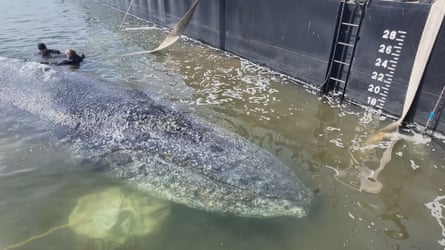
The tension between scientific assessment and public emotion formed the central narrative of the Timmy controversy. While marine experts looked at the data and concluded that survival was improbable, the German public and their elected officials asked whether the attempt itself held value beyond the clinical probability of success. This philosophical disagreement about animal welfare and rescue protocols raised important questions about how societies should respond when faced with injured wild animals in distress. The case of Timmy would likely influence future decision-making regarding marine animal rescue efforts in Germany and potentially across Europe.
The whale stranding incident also highlighted the growing impact of human activities on marine mammals. Scientists have noted that humpback whales occasionally strand themselves due to illness, injury, navigation errors, or interactions with human infrastructure such as fishing nets and ship strikes. Timmy's appearance on Timmendorfer beach raised broader questions about ocean health, maritime safety, and the responsibilities humans bear toward marine life. Environmental organizations used the moment to advocate for stronger protections for whale populations and improved shipping lane regulations to reduce the risk of collisions.
The decision-making process that led to the authorization of the rescue attempt reflected Germany's commitment to animal welfare standards and environmental responsibility. Officials reviewed extensive documentation from marine rescue experts, consulted with international whale conservation organizations, and considered precedents from similar operations in other countries. The minister's defense of the decision emphasized that all stakeholders had been consulted and that the choice represented the most compassionate approach available given the circumstances and available resources.

Looking beyond the immediate situation, the Timmy rescue case demonstrated the importance of public engagement with environmental and animal welfare issues. The widespread attention and support for the whale's survival created a unique opportunity for education about marine ecosystems and the challenges faced by large cetaceans. Schools, universities, and environmental organizations across Germany incorporated the story into educational curricula, using Timmy's situation to teach younger generations about marine biology and conservation ethics. This unexpected educational benefit extended the impact of the rescue effort far beyond the single animal involved.
As the humpback whale rescue unfolded, it became clear that regardless of the outcome, the event would leave a lasting impression on German society and animal rescue protocols. The willingness of authorities to authorize a rescue despite expert reservations suggested a cultural shift toward prioritizing compassion and hope alongside scientific assessment. The minister's defense of this decision articulated a vision of animal welfare policy that acknowledged both professional expertise and the moral intuitions of ordinary citizens who witnessed a creature in distress and wanted to help.
The Timmy case will likely serve as a reference point for future discussions about animal rescue decisions in Germany and internationally. Whether the rescue attempt ultimately succeeded or failed would shape how officials, experts, and the public approach similar situations in the coming years. The story of Timmy represented more than just the fate of one whale; it encapsulated broader questions about human responsibility toward nature, the balance between scientific evidence and ethical intuition, and the power of collective compassion to influence policy decisions in democratic societies.
Source: The Guardian


