
Gates' Delhi Visit Sparks AI Safety Debate Amid Political Tensions

Bill Gates joins global tech leaders in Delhi as India pushes for AI safety framework outside US-China dominance. Political tensions may impact discussions.
The convergence of global technology luminaries in India's capital has set the stage for what could be a pivotal moment in artificial intelligence governance. As Delhi prepares to host critical discussions on AI safety frameworks, the presence of Microsoft co-founder Bill Gates alongside other industry titans has amplified both expectations and concerns about the summit's potential outcomes.
India's ambitious initiative to establish itself as a neutral ground for AI safety discussions represents a strategic move to break free from the traditional US-China tech duopoly. The South Asian nation, with its rapidly growing digital economy and substantial tech workforce, seeks to position itself as a credible third voice in global AI governance conversations.
However, the convergence of high-profile personalities and complex geopolitical dynamics threatens to overshadow the technical and ethical dimensions of AI safety that organizers initially intended to prioritize. Industry observers express concern that political considerations might dilute the focus on establishing robust safety protocols and international cooperation mechanisms.
The timing of this summit coincides with India's increasing assertiveness in technology policy, particularly following its successful implementation of digital public infrastructure initiatives. The country's Digital India program and the widespread adoption of its Unified Payments Interface have demonstrated its capacity to scale technology solutions across diverse populations and economic strata.
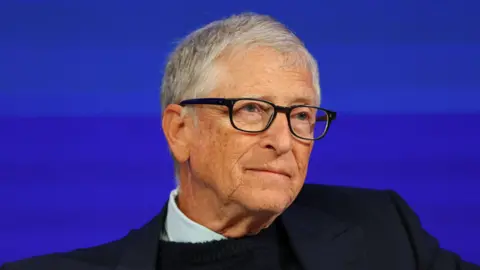
Bill Gates' participation in the Delhi discussions brings both gravitas and potential complications to the proceedings. His extensive experience in global health initiatives through the Gates Foundation, combined with Microsoft's significant investments in AI research, positions him as a influential voice in safety deliberations. However, his prominence may also attract attention away from the collaborative, multilateral approach that Indian organizers have emphasized.
The global AI landscape has become increasingly polarized, with the United States and China pursuing divergent approaches to AI development and regulation. American companies have focused on private sector innovation with emerging regulatory frameworks, while Chinese entities operate under more direct state guidance and control. India's effort to create a third pathway emphasizes democratic governance principles while fostering innovation and ensuring equitable access to AI benefits.
Political tensions surrounding the summit stem from various sources, including ongoing trade disputes, technology transfer concerns, and differing approaches to data governance. Several participating nations have expressed reservations about information sharing and collaborative research initiatives, citing national security considerations and competitive advantages in AI development.
The AI safety debate itself encompasses numerous complex issues, from algorithmic bias and privacy protection to existential risks posed by advanced artificial general intelligence systems. Establishing international standards and cooperation mechanisms requires delicate balancing of technical expertise, ethical considerations, and practical implementation challenges across diverse regulatory environments.
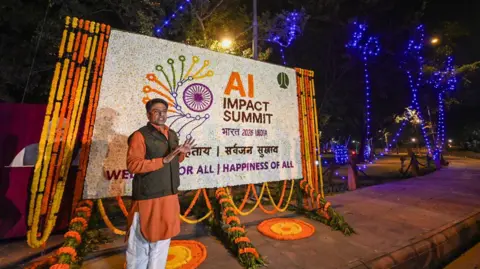
India's technology sector has experienced remarkable growth over the past decade, with numerous unicorn startups emerging in artificial intelligence, fintech, and e-commerce sectors. This domestic success provides credibility to India's claims of being a legitimate participant in global AI governance discussions, rather than merely a market for technologies developed elsewhere.
The participation of representatives from developing nations adds another layer of complexity to the Delhi discussions. Many countries lack the resources and expertise to develop comprehensive AI regulatory frameworks independently, creating opportunities for collaborative approaches while also highlighting potential dependencies and power imbalances in technology governance.
Corporate interests represented at the summit span multiple sectors, from traditional technology companies to emerging AI-focused startups and established industry giants pivoting toward artificial intelligence applications. Balancing these diverse commercial interests with broader societal concerns about AI safety presents significant challenges for summit organizers.
The potential for political grandstanding to overshadow substantive technical discussions has prompted some participants to call for closed-door working sessions focused specifically on technical standards and safety protocols. These behind-the-scenes negotiations may ultimately prove more productive than high-profile public presentations and media opportunities.

Historical precedents for international technology governance provide both encouraging examples and cautionary tales for the Delhi initiative. Successful multilateral cooperation in areas such as internet governance and telecommunications standards demonstrates the potential for effective collaboration, while failures in areas like cybersecurity norms highlight the challenges of achieving consensus among sovereign nations with competing interests.
The role of civil society organizations and academic institutions in the Delhi discussions reflects growing recognition that AI governance extends beyond government and corporate stakeholders. Researchers focusing on AI ethics, digital rights advocates, and representatives from affected communities bring essential perspectives to safety discussions that might otherwise focus primarily on technical and commercial considerations.
Emerging economies' participation in AI safety discussions represents a significant shift from previous technology governance initiatives that were dominated by developed nations. Countries across Africa, Latin America, and Asia are increasingly asserting their right to participate in shaping global AI norms rather than simply adopting standards developed elsewhere.
The summit's outcomes will likely influence future international cooperation on AI safety, potentially establishing precedents for multilateral governance mechanisms or alternatively highlighting the limitations of consensus-based approaches to rapidly evolving technology challenges. Success or failure in Delhi may determine whether similar initiatives gain traction or whether AI governance remains fragmented along existing geopolitical lines.
Source: BBC News


