
Free Bus Trips for England's Children This August

Chancellor Rachel Reeves unveils £100m scheme offering fare-free bus travel for children in England this summer to ease cost-of-living pressures.
In a significant move to address ongoing cost-of-living pressures facing British families, Chancellor Rachel Reeves has announced an ambitious new initiative that will provide free bus trips for children across England during the month of August. The scheme, backed by a substantial £100 million investment, represents a major commitment from the government to support young people and their families during the summer holiday period when transportation costs can become a considerable burden.
The fare-free bus scheme comes at a time when families across the nation continue to grapple with rising expenses in nearly every aspect of daily life. By eliminating the cost barrier to public transportation, the government hopes to enable children from all socioeconomic backgrounds to access activities, day trips, and social opportunities that might otherwise be financially out of reach. This initiative demonstrates a recognition of the particular challenges that households with children face when managing household budgets during economically uncertain times.
Chancellor Reeves' announcement reflects broader government efforts to provide targeted relief to struggling families without placing excessive burden on public finances. The £100 million allocation for this scheme shows the administration's willingness to invest in solutions that directly impact quality of life for young people and their guardians. Such initiatives are designed not only to provide immediate financial relief but also to promote social mobility and ensure that economic hardship does not prevent children from engaging in enriching summer activities.
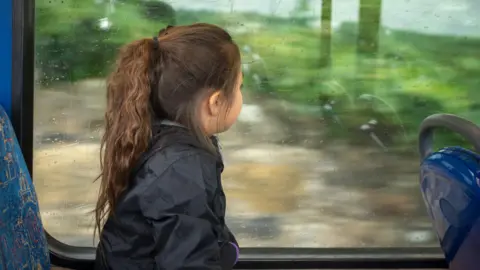
The timing of the August bus travel program is particularly strategic, as this marks the peak of the school summer holidays when families typically seek affordable ways to keep children entertained and engaged. By providing free access to buses, the scheme opens up numerous possibilities for day trips to beaches, parks, museums, and other attractions across England. This accessibility could prove transformative for families living in areas with limited local entertainment options or those who cannot afford traditional holiday costs.
This initiative also reflects a broader policy approach that recognizes public transportation as a crucial component of social welfare and economic support. Rather than providing cash transfers, which may be spent on other necessities, this targeted scheme ensures that funds directly benefit families by reducing the cost of one essential service. The government transport subsidy approach has proven effective in other jurisdictions and is gaining recognition as an innovative way to support vulnerable populations.
The scheme will require coordination between central government, local authorities, and bus operators across the country to ensure smooth implementation. Bus companies will need to establish processes for verification and distribution of any necessary documentation, though the government has indicated efforts to make the scheme as simple and accessible as possible. Many operators have already expressed support for the initiative, recognizing both the social value and the potential to build ridership habits among younger passengers.
Eligibility for the free children's transport scheme will extend to all school-age children throughout August, removing administrative barriers that might otherwise prevent families from accessing the benefit. The government has prioritized simplicity in implementation to ensure that families don't need to navigate complex application processes or gather extensive documentation. This approach maximizes participation and ensures that the £100 million investment reaches those it is intended to help.
Beyond the immediate financial relief provided to families, the scheme carries longer-term implications for public transportation usage patterns. Young people who experience the convenience and independence of public bus travel during August may be more inclined to use such services in the future, potentially supporting demand for sustainable transportation options. This could have positive environmental benefits by encouraging shifts away from car dependency among a generation that will shape transportation preferences for decades to come.
The cost-of-living crisis has affected British households across all regions, with families struggling to balance necessities like food, energy, and housing with discretionary expenses. For families with multiple children, transportation costs during school holidays represent a significant additional burden on already stretched budgets. This free bus scheme acknowledges that reality and provides concrete support at a moment when families are particularly vulnerable to financial strain.
The announcement has been broadly welcomed by education advocacy groups, youth organizations, and local authorities who have long campaigned for measures to improve youth access to recreational and cultural activities. Many experts argue that such initiatives are essential for ensuring equal opportunity and preventing inequality from deepening during economically challenging periods. The scheme demonstrates responsiveness to these calls for targeted support and represents a tangible commitment to protecting young people's opportunities.
Transport analysts have noted that this initiative could serve as a model for future support programs, demonstrating how targeted investments in public services can address multiple policy objectives simultaneously. The scheme supports families financially, promotes public transportation usage, enables social mobility, and provides environmental benefits through reduced car dependency. Such multifaceted benefits suggest that similar initiatives might be considered for other age groups or time periods in future policy discussions.
The £100 million government investment in youth transport represents a meaningful portion of the transportation budget and reflects priorities within Reeves' broader economic strategy. As the government balances various spending commitments and fiscal constraints, the allocation of resources to this scheme signals that supporting families during the cost-of-living crisis remains a top priority. The decision to fund this initiative through the central budget rather than local authorities ensures consistent access across all regions of England.
Implementation will require careful coordination between the Department for Transport, local bus operators, and local councils to establish clear guidelines and processes. Bus companies have been asked to determine the most practical methods for allowing free travel, whether through apps, dedicated passes, or other verification methods that balance accessibility with fraud prevention. The government has indicated flexibility in allowing operators to choose systems that work best for their specific circumstances and customer base.
The August free bus scheme joins other government measures designed to address cost-of-living concerns, including energy bill support, child benefit adjustments, and various targeted welfare programs. Together, these initiatives form a comprehensive approach to protecting vulnerable populations during a period of significant economic stress. However, many advocacy groups continue to press for additional measures and longer-term structural solutions to address underlying affordability challenges facing British households.
Looking ahead, the success of this August scheme will likely influence decisions about potential expansion to other months or age groups. If the initiative achieves strong take-up and generates positive feedback from families, local authorities, and bus operators, policymakers may consider making similar programs permanent features of the transportation support landscape. The data collected during August will provide valuable insights into usage patterns and the real-world impact on family finances and children's access to activities and opportunities.
Source: BBC News


