
First-Time World Cup Winners: Dark Horses Emerge in 2026

Explore which nations could become first-time World Cup winners in 2026. With 48 teams competing, will Norway, Portugal, or surprise contenders claim glory?
The FIFA World Cup has crowned just eight different champions throughout its storied history, a remarkably exclusive club that reflects the difficulty of achieving football's greatest prize. As the tournament expands to include 48 teams in 2026, there is renewed hope that fresh nations might finally break through and claim their maiden title. The expanded format and the demanding schedule promised by FIFA present a unique opportunity for ambitious underdogs to make their mark on the global stage and challenge the traditional powerhouses.
When FIFA announced the expansion of the 2026 World Cup field from 32 to 48 teams, league officials championed the move as democratizing the competition and providing genuine opportunities for emerging football nations. However, the reality of tournament football suggests that established champions and perennial contenders continue to dominate. The eight nations that have previously won the World Cup remain statistical favorites, possessing institutional knowledge, experienced coaching staff, and access to world-class talent that smaller nations struggle to match.
Despite the marketing campaign promoting equality and opportunity, the mathematics of modern football suggest that first-time winners face an uphill battle against the established elite. Spain, as reigning European champions, brings an impressive roster of world-class players and a proven tactical system that has consistently delivered results at the highest level. Their possession-based philosophy and technical superiority make them serious contenders for World Cup glory this summer.
Argentina enters the tournament as defending World Cup champions, having claimed the crown in 2022 after decades of heartbreak and near-misses. The South American powerhouse followed up that triumph by capturing the Copa América in 2024, demonstrating remarkable consistency and depth across their squad. Their ability to perform under pressure on the biggest stages positions them as strong favorites to defend their title successfully.

France occupies a unique position as a nation that has reached the final of the last two World Cup tournaments, establishing themselves as genuine contenders on the international stage. According to Guardian power rankings, the French national team currently tops the list of tournament favorites, with many analysts viewing them as the most balanced and complete squad in the competition. Kylian Mbappé, one of the world's most dynamic attacking talents, has boldly claimed that this French squad represents the best team he has ever been part of, signaling supreme confidence heading into the competition.
Beyond the traditional powerhouses, several nations harbor legitimate aspirations of becoming first-time World Cup champions. Norway, spearheaded by the phenomenal talent of Erling Haaland, represents perhaps the most intriguing possibility for a breakthrough winner. Despite Haaland's dominance at club level with Manchester City, Norway has historically struggled to translate individual brilliance into sustained international success. However, the combination of Haaland's prime years with a supportive squad architecture could finally unlock the potential that many believe exists within the Norwegian program.
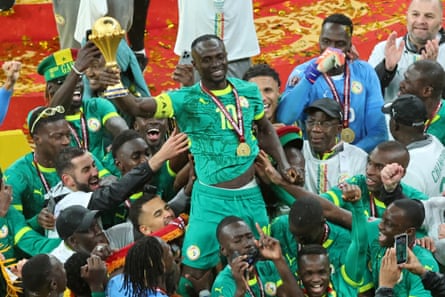
Portugal presents another compelling narrative as they pursue their first World Cup title in what could represent a final opportunity for Cristiano Ronaldo on the world stage. The legendary forward, now in the twilight of his career, has never captured the ultimate prize despite his extraordinary individual achievements and numerous appearances at the highest level. Ronaldo's swansong could inspire his teammates and galvanize the Portuguese nation in pursuit of elusive World Cup glory, making their campaign both emotionally resonant and competitively credible.
The expanded 48-team format introduces new variables that could benefit underdog nations in meaningful ways. The increased number of groups and matches allows teams with modest pedigrees to accumulate points through victories against weaker opponents, potentially enabling them to advance deep into the tournament despite lacking the consistent quality of traditional heavyweights. This structural change creates pathways to success that previously did not exist in the more exclusive 32-team format.
The grueling schedule associated with the expanded tournament also presents tactical considerations that favor nations with exceptional depth and squad rotation capabilities. Teams must manage player fatigue across multiple competitions, and nations with exceptional strength in reserve options may gain crucial advantages over those dependent on aging stars. The physical demands of the tournament could work against some traditional powers while providing opportunities for younger, hungrier squads with superior athletic conditioning.

England, as losing finalists at Euro 2020 and World Cup semifinalists at Qatar 2022, represents another nation capable of finally breaking through. Despite perennial underperformance relative to their talent pool, England possesses numerous world-class players operating at the peak of their powers. Their midfield depth and attacking options could prove decisive in determining whether this finally becomes their year to claim a second world title.
Germany, one of the most successful World Cup nations historically, seeks to return to prominence after recent disappointing campaigns. Their traditional emphasis on technical excellence, tactical intelligence, and psychological resilience suggests they remain dangerous contenders despite recent inconsistency. A resurgent German squad could easily become tournament favorites as the competition approaches.
The path to becoming first-time World Cup winners requires exceptional execution across multiple dimensions: elite talent, tactical sophistication, psychological resilience under pressure, and favorable circumstance. Nations like Norway and Portugal possess individual excellence through players like Haaland and Ronaldo, yet international football demands more than individual brilliance. The transition from talented squads to championship teams involves complex chemistry, coaching excellence, and intangible factors that statistics struggle to quantify.
The 2026 World Cup represents a genuinely open competition with multiple nations harboring legitimate aspirations of winning their first title. While the traditional powerhouses of Spain, Argentina, and France remain statistically favored, the expanded format and demanding schedule create unprecedented opportunities for ambitious nations willing to embrace the challenge. Whether Norway, Portugal, England, or an entirely unexpected contender emerges as the first-time World Cup champion will depend on performances when it matters most, ultimately determining who will join football's most exclusive club.


