
Firefox Adds AI Safety Controls to Mobile

Mozilla brings comprehensive AI guardrails to Firefox mobile, allowing users to disable all artificial intelligence features with a single tap for enhanced privacy.
Mozilla has taken a significant step in empowering mobile users by introducing AI guardrails to Firefox, a feature designed to give users complete control over artificial intelligence enhancements integrated into the browser. The new capability allows smartphone and tablet users to disable all AI features with just one simple tap, marking an important development in user privacy and preference management for mobile browsing experiences.
The Firefox mobile AI guardrails represent Mozilla's commitment to transparency and user autonomy in an era where artificial intelligence is increasingly embedded in digital tools and services. Rather than forcing users to accept AI-powered features, Mozilla has opted for an opt-in approach that respects individual preferences and concerns about data privacy. This approach reflects growing consumer awareness about how AI systems collect, process, and utilize personal information during everyday browsing activities.
Mobile users have expressed varied concerns about AI integration in browsers, particularly regarding how these systems impact battery life, data usage, and privacy. By introducing straightforward controls, Firefox addresses these concerns head-on, allowing users to make informed decisions about which features enhance their browsing experience and which ones they'd prefer to avoid entirely. The simplicity of the implementation—a single toggle switch—demonstrates Mozilla's understanding of user experience design principles.
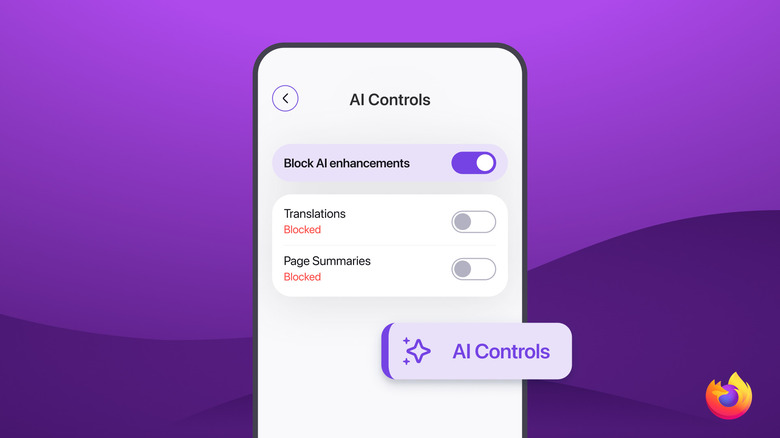
The introduction of AI safety controls on Firefox mobile comes at a time when browser companies worldwide are racing to integrate artificial intelligence capabilities into their platforms. Chrome, Edge, and other competitors have launched various AI-powered features, from content summarization to writing assistance tools. Mozilla's approach distinguishes itself by prioritizing user control and offering an easy way to opt out rather than burying privacy settings deep within complex menu structures.
Understanding the technical architecture behind these guardrails reveals Mozilla's thoughtful implementation strategy. When users activate the disable option, the browser ceases to load, process, or communicate with AI enhancement systems, effectively creating an AI-free browsing environment. This comprehensive approach ensures that no background processes or data exchanges occur with AI services when the feature is disabled, addressing privacy-conscious users' core concerns about invisible data transmission.
The mobile platform presents unique challenges for AI integration compared to desktop browsing. Mobile devices have more limited processing power, smaller displays, and constrained battery resources, all factors that can be negatively impacted by resource-intensive AI systems. Firefox's new guardrails acknowledge these constraints by giving users the ability to prioritize performance and longevity over AI features when their device resources are limited.
From a broader perspective, this feature announcement reflects an important industry conversation about the future of AI in consumer-facing applications. Tech companies face mounting pressure from regulators, privacy advocates, and users themselves to demonstrate responsible AI deployment. Features like Firefox's AI guardrails show that responsible AI implementation doesn't mean abandoning innovation; rather, it means building in safeguards and user choice from the start.
The rollout of AI guardrails across Firefox's mobile applications represents a coordinated effort across the Mozilla organization to ensure consistency in user experience. Whether accessing Firefox on Android or iOS devices, users will encounter the same straightforward controls for managing AI features. This consistency strengthens Mozilla's brand message of putting user needs first and maintaining control over one's own digital experience.
Security researchers and privacy advocates have praised Mozilla's approach to AI feature management, noting that transparent controls are essential as AI becomes more prevalent in everyday digital tools. The ability to completely disable AI systems, rather than merely limiting their scope, ensures that users who have fundamental concerns about artificial intelligence can maintain AI-free zones within their digital lives. This distinction matters significantly for users with specific privacy philosophies or those working with sensitive information.
Looking ahead, Mozilla's decision to implement comprehensive AI guardrails on mobile may influence how other browser developers approach AI integration. If users consistently value and appreciate simple, one-tap controls for managing AI features, competitors may feel pressured to implement similar options. Industry trends often begin with one company's innovative approach, particularly when that company has Mozilla's reputation for prioritizing user interests over corporate profits.
The timing of this mobile feature rollout is particularly noteworthy given ongoing regulatory scrutiny of artificial intelligence systems globally. Regulators in the European Union, United States, and other jurisdictions are increasingly focused on how tech companies implement AI systems and what controls users have over them. Firefox's approach demonstrates proactive compliance with emerging regulatory expectations around transparency and user agency in AI systems.
For Firefox's development team, implementing these guardrails required careful consideration of user interface design, backend systems architecture, and testing protocols. Engineers had to ensure that disabling AI features wouldn't inadvertently break other browser functionality or create performance issues. The seamless integration of these controls into the existing Firefox mobile interface suggests a mature, thoughtful development process.
The broader ecosystem of mobile browsing stands to benefit from this feature as well. Other applications and services that integrate with Firefox may respect user preferences around AI, creating a more cohesive privacy experience across the entire mobile device. This interoperability consideration shows Mozilla's sophisticated understanding of how modern mobile devices function as interconnected systems rather than isolated applications.
Users who adopt the new AI guardrail controls can expect a browsing experience that prioritizes their stated preferences and privacy expectations. Whether someone disables AI features entirely or manages them carefully, the existence of these controls removes the anxiety that often accompanies automatic AI integration. This peace of mind represents significant value for privacy-conscious users who may have previously avoided Firefox mobile due to concerns about AI-powered features.
Source: Engadget


