
Federal Budget 2026: Chalmers Speech Live

Treasurer Jim Chalmers delivers 2026 federal budget speech tonight. Deputy Liberal leader Jane Hume comments on Coalition strategy. Get live updates here.
Australia's political landscape is bracing for Treasurer Jim Chalmers to unveil the highly anticipated 2026 federal budget this evening, with economists and policymakers eagerly awaiting the government's fiscal priorities and spending announcements. The budget presentation comes at a critical time for the nation's economic outlook, with significant implications for households, businesses, and public services across the country. Deputy Liberal leader Jane Hume has signaled that the Opposition coalition is paying close attention to recent political developments, particularly the outcomes of recent electoral contests that could reshape parliamentary dynamics. Follow our comprehensive live coverage as events unfold throughout the evening.
In a candid assessment of potential political alliances, Deputy Liberal leader Jane Hume has notably refused to categorically dismiss the possibility of a formal arrangement between the Coalition and One Nation following the next federal election. When pressed on the hypothetical scenario during media interviews, Hume acknowledged that discussions around electoral cooperation remain within the realm of political possibility, though she emphasized that such decisions rest solely with One Nation's leadership. She stated that "only One Nation are in favour of that" and deflected questions about post-election configurations, suggesting the Coalition remains focused on strengthening its primary vote among traditional supporters rather than immediately pursuing formal partnerships with minor parties.
The Coalition's current strategic focus centers on presenting a compelling platform that resonates with mainstream Australian voters, according to Hume's comments. She emphasized that building primary support remains paramount, dismissing what she characterized as excessive speculation about future coalition scenarios. The deputy leader noted that "there are so many hypotheticals" and that the Coalition is "determined and dedicated to present to the Australian public a platform that they can vote for." This measured response reflects the Coalition's desire to maintain electoral momentum without committing to controversial alliances that could alienate centrist voters.
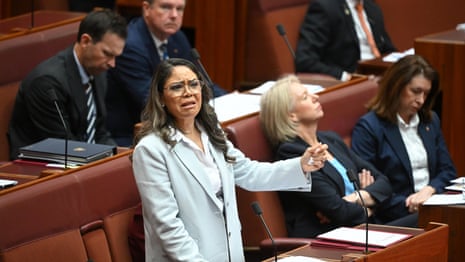
Regarding the possibility of expanding the Coalition framework to formally include One Nation, Hume provided clear reassurance to party members and voters. She stated unequivocally that "there is no-one in the Coalition party room today that is telling us we need to expand the Coalition to include One Nation," suggesting substantial internal consensus on maintaining the current Liberal-National partnership structure. This statement carries particular weight given ongoing tensions within conservative politics about how to respond to One Nation's growing influence in regional Australia and among working-class voters traditionally aligned with the Coalition.
The Farrer byelection result has become a focal point for political analysis, with Coalition strategists examining voter sentiment and emerging trends in regional constituencies. Hume's insistence that the Coalition should listen "very carefully" to the byelection outcomes underscores the significance political analysts are placing on these results as bellwethers for broader electoral sentiment. The byelection provides important data about voter priorities, dissatisfaction levels with incumbent governments, and the effectiveness of different political messaging strategies across demographic groups and geographic regions.
Tonight's budget speech by Treasurer Chalmers will address critical economic priorities including inflation management, employment initiatives, cost-of-living pressures affecting households, infrastructure investment, and the government's fiscal sustainability strategy. The budget framework will reveal the government's policy priorities and resource allocation decisions across education, healthcare, infrastructure, and defense spending. Economic observers are particularly focused on how the government will balance deficit reduction objectives against increasing demands for public investment in critical areas facing resource constraints.
The broader political context for this budget extends beyond fiscal policy into questions of governance, economic competence, and the government's vision for Australia's economic future over the next decade. Opposition parties will scrutinize spending decisions, tax implications, and whether the budget adequately addresses cost-of-living challenges affecting households across income levels. The budget provides both government and opposition with opportunities to frame narratives about economic management, social priorities, and competing visions for national development.
Coalition positioning on the federal budget 2026 reflects broader strategic considerations about opposition effectiveness, alternative policy proposals, and the party's readiness to present itself as a credible alternative government. Jane Hume's recent comments suggest the Coalition is balancing several competing imperatives: maintaining unity within the Liberal-National partnership, reassuring centrist voters about mainstream conservative credentials, managing relationships with minor parties like One Nation, and building momentum toward the next federal election.
Comprehensive coverage of tonight's budget announcement will include real-time analysis of major policy announcements, spending allocations, tax measures, and economic forecasts presented by the Treasury. Our live updates will track political reactions from opposition leaders, minor party representatives, business organizations, and economic commentators as they respond to the government's fiscal blueprint. Readers can access detailed breakdowns of budget measures, their implications for different population segments, and expert analysis examining the budget's alignment with economic objectives and political strategy.
For those seeking deeper understanding of pre-budget economic conditions and policy expectations, our comprehensive explainer "Federal budget 2026: what we know so far" provides essential context about anticipated measures, economic challenges, and policy debates informing the government's budget development process. Detailed coverage throughout our Australia budget 2026 section offers multiple perspectives on fiscal policy, economic management, and political dimensions of budget negotiations, providing readers with comprehensive information necessary for informed understanding of the government's economic strategy.
To remain updated throughout this significant political and economic event, subscribe to our breaking news email service for immediate notifications of major announcements, download our free news app for on-the-go updates, or tune into our daily news podcast for detailed analysis and commentary from experienced political and economic journalists. Our multi-platform coverage ensures you can access information through your preferred medium, whether following live updates, reading detailed analysis, or listening to expert discussion of budget implications.
Source: The Guardian


