
FDA Chief Makary Steps Down After 13 Months

Marty Makary resigns as FDA commissioner after clashing with Trump administration over fruit-flavored vapes. Kyle Diamantas named acting replacement.
Marty Makary has officially stepped down from his role as commissioner of the US Food and Drug Administration (FDA), marking the end of a contentious 13-month period leading the regulatory agency. His departure comes after mounting tensions with the White House, members of Congress, industry stakeholders, and various public interest groups, according to multiple reports from prominent US news outlets. The resignation represents a significant leadership change at one of the nation's most influential health and safety regulatory bodies during a particularly turbulent political period.
The FDA resignation was announced on Tuesday, with Kyle Diamantas, a seasoned official who previously held the position of senior food policy director at the agency, expected to assume the role of acting FDA commissioner. Diamantas brings extensive experience in managing the agency's food-related operations and establishing the strategic direction for nutrition and food safety policies across the United States. His appointment was first reported by Politico, with subsequent confirmation from Reuters and NBC News, indicating the significance of this leadership transition at a pivotal moment for federal regulatory oversight.
Throughout his tenure, Makary faced considerable scrutiny over his handling of fruit-flavored vapes regulation, a particularly contentious issue within the Trump administration. The commissioner's approach to regulating flavored tobacco products drew criticism from multiple directions, including from White House officials who disagreed with his regulatory stance on these consumer products. This specific policy dispute appears to have been a central factor in the escalating tensions that ultimately led to his resignation from the agency.
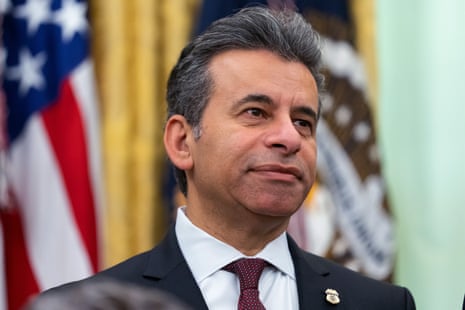
The regulatory landscape surrounding vape regulation has become increasingly complex and politically charged over the past several years. The Obama administration had previously banned most flavored cigarettes but granted an exemption for menthol pending further study, while also allowing flavored e-cigarette liquids to remain on the market. The Trump administration's varying approaches to this issue have created ongoing friction within government agencies responsible for public health protection and consumer product oversight.
Makary's departure highlights the broader challenges facing the FDA during the current political environment, where public health policy decisions increasingly intersect with political considerations and industry interests. His 13-month tenure was marked by numerous controversial decisions and policy shifts that alienated various stakeholder groups. The commissioner's handling of several high-profile regulatory matters beyond flavored vape restrictions also contributed to a sense of instability at the agency's leadership level.
Kyle Diamantas, who will now serve as acting commissioner, has spent considerable time working within the FDA's bureaucratic structure and understands the agency's operational complexities. His previous experience leading the food policy division gave him insight into how the agency functions and how to navigate the competing interests of public health advocates, industry representatives, and political officials. The transition to his temporary leadership is expected to provide some continuity during what appears to be a period of significant organizational change at the federal regulatory body.
The leadership vacuum at the FDA comes at a time when the agency faces mounting pressure to address various public health concerns while also responding to industry demands for regulatory certainty. The FDA tobacco regulation decisions, particularly those involving flavored products, represent some of the most contentious policy areas within the agency's jurisdiction. The incoming acting commissioner will inherit a complex portfolio of pending regulatory decisions that require careful navigation of political and public health considerations.
Congress has maintained significant oversight of the FDA's regulatory actions, and numerous legislators on both sides of the aisle have expressed concerns about specific policies implemented during Makary's tenure. The resignation may signal shifting priorities within the Trump administration regarding which public health issues should take precedence in regulatory decision-making. Members of Congress will likely seek clarity on the direction of FDA policy under new leadership, particularly regarding ongoing controversies around product regulation and approval processes.
Industry groups and advocacy organizations have also weighed in on the commissioner's tenure, with some expressing frustration at the pace of regulatory action while others criticized decisions they viewed as insufficiently protective of public health. The vape industry, in particular, has been closely watching regulatory developments, as flavored products represent a significant market segment. Consumer advocacy groups, conversely, have pushed for stricter regulations on these products, citing concerns about youth access and nicotine addiction.
The FDA's role as the primary federal agency responsible for regulating tobacco products, food safety, pharmaceuticals, and medical devices makes leadership stability crucial for the broader functioning of the regulatory system. Makary's departure suggests that the administration may be seeking a different approach to these contentious policy areas. The appointment of an acting commissioner rather than a permanent successor indicates that longer-term decisions about FDA leadership remain in flux within the current administration.
Looking forward, the FDA leadership transition will likely result in a recalibration of regulatory priorities and policy approaches across multiple sectors. The agency's handling of tobacco product regulation, particularly regarding flavored vapes, will undoubtedly continue to be a focal point for political attention, industry lobbying, and public health advocacy. How Diamantas navigates these competing pressures during his tenure as acting commissioner may well determine the trajectory of federal tobacco regulation for years to come.
The broader implications of this leadership change extend beyond the immediate issue of flavored vape regulation. The FDA's ability to maintain its credibility as an independent public health agency while navigating political pressures remains a central challenge. Makary's departure represents a significant moment in the ongoing tension between scientific expertise, political considerations, and public health policy at the federal level. As the Trump administration continues to shape its regulatory agenda, the direction of the FDA under new leadership will signal broader intentions regarding the role of government agencies in overseeing consumer products and protecting public health.
Source: The Guardian


