
Farage Declares 'Historic Shift' as Reform UK Surges

Reform UK achieves major electoral breakthroughs across Labour and Conservative heartlands. Farage hails historic political shift as party gains control of Essex and Sunderland councils.
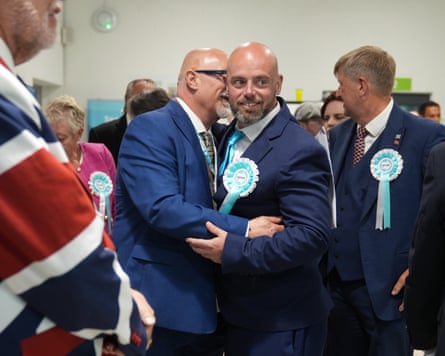
Nigel Farage announced a transformative moment for British politics as Reform UK secured significant election victories across multiple regions during the English local elections. The populist party's breakthrough results represent a dramatic shift in the nation's political landscape, with gains materializing in traditional strongholds of both Labour and the Conservative Party. This electoral success marks a pivotal moment for Reform UK, which has positioned itself as a challenger to the established two-party system.
The party's electoral achievements extended across several key councils, demonstrating its expanding appeal beyond its previous electoral base. Reform UK successfully secured control of Essex county council, a major administrative center in the Southeast of England. The party also achieved what officials described as a historic milestone by taking control of Havering, marking the first time the populist movement has gained control of a London local authority. Additionally, Sunderland city council fell under Reform's control, signaling growing influence in the North of England and challenging Labour's traditional dominance in post-industrial regions.
Farage's celebratory statement emphasized the magnitude of these electoral developments, framing them as evidence of a fundamental realignment in British politics. He characterized the results as indicative of voters' desire for political change and a rejection of conventional party politics. The Reform UK success comes at a time when public dissatisfaction with traditional political parties remains high, with many voters expressing frustration over issues including immigration, economic management, and the direction of the nation.

Reform UK's strategy of targeting Labour heartlands and former Conservative strongholds proved particularly effective in these local elections. The party's messaging has resonated with voters in areas experiencing economic challenges and demographic changes, offering a distinct alternative to the established parties' policy positions. By making inroads in regions where Labour and Conservative parties have historically dominated, Reform UK has demonstrated its capacity to appeal across geographical divides and traditional party loyalty patterns.
The party's advances in Essex, historically a Conservative-dominated area, represent a significant shift in Southeast England politics. Essex county council represents one of the largest local authorities in the country, providing Reform UK with substantial administrative responsibilities and a platform for implementing its policy agenda. The council's control offers the party an opportunity to demonstrate its governing capabilities at a meaningful scale and build credibility for future electoral contests.
Reform UK's takeover of Havering holds particular symbolic significance as it marks the party's first penetration into London local government. London has traditionally been viewed as resistant to populist movements, with the capital favoring more progressive and establishment-aligned parties. This breakthrough in London politics suggests Reform's appeal has expanded beyond its initial geographic base and resonates with diverse voter demographics across the country's most populous metropolitan area.

The Sunderland city council victory represents another strategic achievement for Reform UK, particularly given the region's historical alignment with Labour politics. Sunderland and other Northeast England regions have long served as Labour strongholds, reflecting the traditional working-class base of the party. Reform's success in these areas indicates the party has effectively mobilized voters who feel abandoned by Labour's current positioning and messaging, representing a potential realignment of working-class political preferences.
However, not all political analysts share Farage's unbridled optimism about these results. Some polling experts have suggested that the election data indicates Reform UK may have reached a plateau in its electoral trajectory. These contrarian assessments suggest that while the party has achieved notable gains, the extent of its long-term growth potential may be more limited than its leadership claims. Polling analysts point to voter volatility and the possibility that some electoral gains represent a protest vote rather than a fundamental realignment of party allegiances.
The pollsters offering cautious interpretations of Reform's performance note that local election results can differ substantially from general election outcomes. Voters often behave differently in local contests compared to national elections, with local elections sometimes serving as vehicles for protest votes against national governments. If this pattern holds, Reform UK's impressive local election results may not directly translate into comparable success in a future general election where different dynamics and voter considerations would apply.
The broader context for these elections involves significant public discontent with the current political establishment. Both Labour and Conservative parties have faced sustained criticism over their handling of economic issues, public services, and national direction. This environment of political dissatisfaction has created opportunities for challenger parties like Reform UK to mobilize voters seeking alternatives to traditional political choices. The party has effectively leveraged this dissatisfaction to expand its electoral footprint and build momentum.
Reform UK's emergence as a significant electoral force represents a notable shift from its earlier incarnation as the Brexit Party. The party has evolved its policy platform and messaging to broaden its appeal beyond European Union membership issues. By adopting positions on various domestic policy areas and positioning itself as a voice for voters frustrated with the political establishment, Reform UK has successfully repositioned itself as a comprehensive political alternative rather than a single-issue movement.
The implications of these local election results extend beyond immediate electoral calculations. They suggest potential shifts in how voters perceive political representation and governance alternatives. The success of a populist challenger in traditional heartland areas of both major parties indicates that historical patterns of voter behavior and party loyalty may be weakening. This structural change in British politics could influence campaign strategies, policy positioning, and coalition-building approaches for all major political parties as they prepare for future contests.
As the results from these English local elections continue to be analyzed and assessed, the fundamental question remains whether Reform UK's achievements represent a temporary surge in anti-establishment sentiment or a sustained transformation of British political alignment. The coming months and years will test whether the party can consolidate these gains, translate local council control into effective governance, and demonstrate staying power as a serious contender in British politics. Whatever the ultimate outcome, these local election results have undeniably altered the political conversation and expanded the space for non-traditional parties in British democracy.
Source: The Guardian

