
Far-Left Crisis: Student Murder Rocks French Politics

The death of nationalist student Quentin Deranque has plunged France's far-left into crisis, with militants suspected and Mélenchon's party facing condemnation.
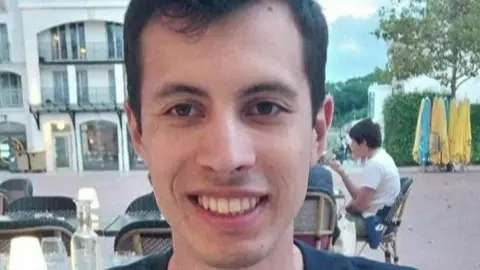
The French political landscape has been dramatically shaken by the tragic death of Quentin Deranque, a nationalist student whose murder has cast a dark shadow over the country's far-left movement just as crucial elections approach. The incident has triggered widespread condemnation and raised serious questions about political violence in contemporary France.
Deranque, a young activist known for his nationalist political views, was found dead under circumstances that have led investigators to focus their attention on far-left militant groups. The case has sent shockwaves through French society, particularly given the timing as the nation prepares for upcoming electoral contests that could reshape the political balance.
The investigation into Deranque's death has revealed a complex web of political tensions and ideological conflicts that have been simmering beneath the surface of French politics. Authorities are treating the case as a politically motivated killing, with evidence suggesting that extremist elements within the far-left movement may have orchestrated the attack as part of a broader campaign against nationalist activists.
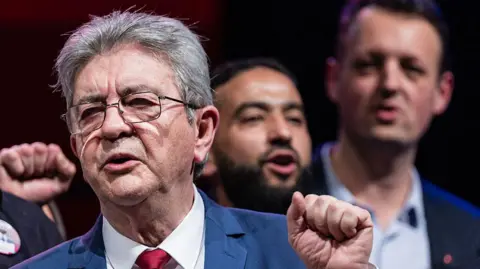
Jean-Luc Mélenchon's party, La France Insoumise (France Unbowed), finds itself at the center of a growing storm of criticism and condemnation. While the party has officially distanced itself from any involvement in the violence, political opponents and media commentators have been quick to draw connections between the party's rhetoric and the actions of more radical elements within the broader far-left ecosystem.
The political ramifications of this incident extend far beyond the immediate tragedy. With elections looming on the horizon, the far-left movement now faces the challenging task of maintaining its political credibility while dealing with accusations of fostering an environment that could lead to such extreme violence. Political analysts suggest this could significantly impact voter sentiment and electoral outcomes.
Mélenchon himself has been under intense scrutiny, with critics arguing that his inflammatory rhetoric and divisive political messaging have contributed to a climate of hostility that may have encouraged violent action. The veteran politician, known for his fiery speeches and uncompromising stance on various issues, now faces calls for greater responsibility in his political discourse.
The incident has also highlighted broader concerns about political extremism in France, where tensions between different ideological factions have been escalating in recent years. Security experts warn that the country is witnessing a dangerous polarization that could lead to further incidents of political violence if left unchecked.
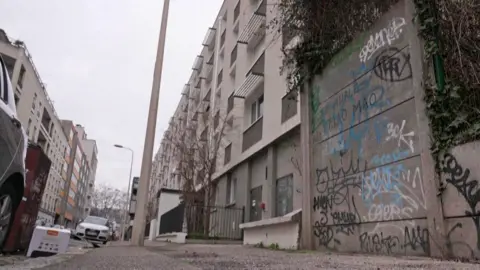
Law enforcement agencies have launched a comprehensive investigation into the circumstances surrounding Deranque's death, with special attention being paid to potential connections between suspected perpetrators and organized far-left groups. The investigation has already led to several arrests and searches of properties associated with radical activists.
The victim, Quentin Deranque, was reportedly an active member of nationalist student organizations and had been involved in various political activities on university campuses. His death has galvanized nationalist and right-wing groups, who have organized protests and demonstrations calling for justice and increased protection for their activists.
The timing of this incident could not be more problematic for the French far-left movement, which had been hoping to capitalize on various social and economic issues in the upcoming elections. Instead, they now find themselves on the defensive, struggling to maintain their political momentum while addressing serious questions about their movement's direction and methods.
Political observers note that this crisis represents one of the most significant challenges faced by the French far-left in recent years. The movement, which had been gaining ground through grassroots organizing and populist messaging, now risks losing credibility and support as a result of association with violent extremism.
The broader implications for French democracy are also being closely examined by constitutional experts and political scientists. The incident raises fundamental questions about the limits of political discourse and the responsibility of political leaders to prevent their rhetoric from inspiring violence among their more radical supporters.
International observers have also taken note of the situation, with European Union officials expressing concern about the state of political discourse in one of the bloc's founding members. The incident has been cited as an example of the growing polarization and extremism that threatens democratic institutions across Europe.
As the investigation continues, pressure is mounting on Mélenchon and his party to take concrete steps to address the extremist elements within their movement. Critics argue that symbolic denunciations are insufficient and that more substantive action is needed to prevent future incidents of political violence.
The case has also reignited debates about campus politics and student activism in France, where universities have increasingly become battlegrounds for competing ideological movements. Educational authorities are now reviewing security measures and considering new policies to prevent political conflicts from escalating into violence.
Legal experts suggest that the outcome of this case could have lasting implications for how France addresses political violence and extremism. The prosecution's approach to linking individual acts of violence to broader political movements could set important precedents for future cases involving political motivations.
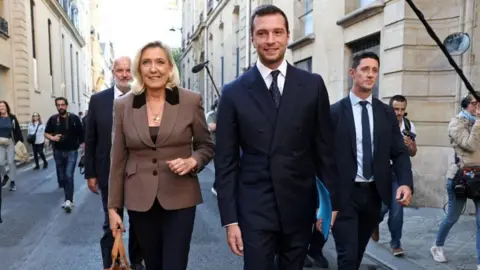
As election campaigns continue to unfold, all major political parties are now grappling with questions about their own rhetoric and the potential consequences of their messaging. The Deranque case has become a touchstone for discussions about political responsibility and the boundaries of acceptable discourse in democratic societies.
The far-left's crisis deepens as more details emerge about the circumstances of the student's death, with each new revelation potentially damaging their electoral prospects. Party officials are scrambling to develop a coherent response that addresses public concerns while maintaining their core political positions and supporter base.
Source: BBC News


