
Evo Morales Emerges After 7-Week Mystery Absence

Bolivia's former socialist leader Evo Morales reappears in Chapare after unexplained 7-week absence, endorsing regional candidates amid speculation.
Evo Morales, Bolivia's influential former socialist president, has made his first public appearance after nearly seven weeks of mysterious absence, emerging in his traditional political stronghold of the Chapare region. The former Bolivian leader used his reappearance to endorse candidates for the upcoming regional elections, effectively dispelling widespread speculation that he had fled the country. His sudden disappearance had triggered intense speculation about his whereabouts and safety, particularly following recent international developments involving his Venezuelan ally.
The extended absence of Bolivia's ex-president had fueled rumors and conspiracy theories throughout the Andean nation, with many wondering if Morales had escaped to avoid mounting legal pressures. His reemergence on Thursday in the tropical Chapare region, where coca cultivation thrives and his political support remains strongest, came as a relief to his supporters and provided clarity to a situation that had become increasingly concerning. The timing of his appearance coincided with crucial regional electoral campaigns, suggesting strategic political calculations behind his temporary withdrawal from public view.
Morales' prolonged absence highlighted the significant information gaps that exist regarding activities in the remote Chapare region, where the former president has been residing for the past year. This isolated area of Bolivia has served as his refuge while he navigates serious legal challenges, including an outstanding arrest warrant related to human trafficking charges. The region's remoteness and limited media access have made it difficult for observers to track the former president's movements and activities, contributing to the uncertainty surrounding his whereabouts during the seven-week period.
The speculation about Morales' potential flight from Bolivia intensified following recent international developments, particularly the US seizure of Venezuelan ex-president Nicolás Maduro. As close allies in Latin America's socialist movement, the connection between Morales and Maduro had led many to wonder whether the Bolivian leader might face similar international pressure. The geopolitical implications of these relationships have created additional layers of complexity for Morales' legal and political situation, making his sudden absence all the more concerning for his supporters and observers.
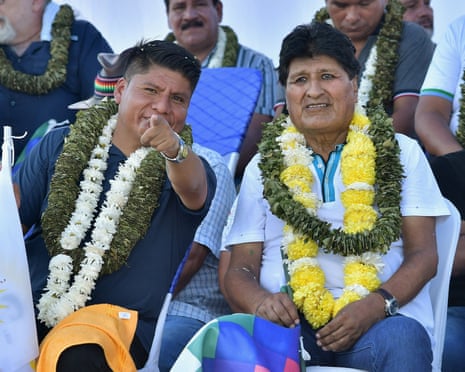
During his public reappearance, Morales focused on regional political matters, specifically endorsing candidates for upcoming elections in what appeared to be a calculated move to reassert his political influence. His ability to mobilize support and influence electoral outcomes remains significant, particularly in rural and indigenous communities where his legacy as Bolivia's first indigenous president continues to resonate strongly. The endorsement of regional candidates demonstrates his ongoing commitment to maintaining political relevance and influence within Bolivia's complex political landscape.
The former president's legal troubles stem from serious allegations that have created ongoing tensions with Bolivia's current government. The human trafficking charges that led to the arrest warrant represent a significant escalation in the legal challenges facing Morales, who has consistently denied wrongdoing and characterized the charges as politically motivated persecution. His decision to remain in the Chapare region reflects both the practical need to avoid arrest and the symbolic importance of staying connected to his political base.
The seven-week absence revealed important insights about Bolivia's information infrastructure and the challenges of monitoring activities in remote regions. The Chapare's geographic isolation and limited communication networks create natural barriers to information flow, making it difficult for media outlets and government officials to track developments in the area. This information vacuum contributed to the proliferation of rumors and speculation about Morales' fate, highlighting broader issues about transparency and communication in Bolivia's political system.
The situation also underscored Bolivia's vulnerability to international political developments and the potential impact of US foreign policy decisions under President Donald Trump's administration. The connection drawn between Maduro's situation and Morales' absence reflects broader concerns about how US interventions in Latin America might affect regional political dynamics. These fears have been particularly pronounced given the historical context of US involvement in Latin American politics and the current administration's approach to dealing with socialist leaders in the region.
Morales' political stronghold in the Chapare region represents more than just a geographical refuge; it embodies his connection to Bolivia's coca-growing communities and indigenous populations. The area has historically been central to his political identity and power base, serving as the foundation for his rise from union leader to president. His continued presence in this region maintains crucial political connections while providing practical protection from legal authorities who might struggle to operate effectively in the remote terrain.
The regional elections that Morales is now influencing through his endorsements carry significant implications for Bolivia's political future and his own potential comeback ambitions. By actively participating in the electoral process, he demonstrates his continued political relevance and ability to shape outcomes at the regional level. This involvement also signals his intention to remain a significant force in Bolivian politics despite the legal challenges and extended period of uncertainty surrounding his status.
The mysterious nature of Morales' absence and sudden reappearance reflects the broader complexities of Bolivian politics, where personal relationships, geographical factors, and international influences intersect in complicated ways. His ability to disappear for weeks and then reemerge to influence political events demonstrates both the limitations of state authority in remote regions and the enduring power of charismatic political leadership in Latin American contexts.
Looking forward, Morales' reappearance raises questions about his long-term strategy for dealing with the legal charges against him and his broader political ambitions. His decision to remain active in regional politics suggests a calculated approach to maintaining influence while navigating legal risks. The success of his endorsed candidates in upcoming elections will provide important indicators of his continued political relevance and ability to mobilize support among his traditional constituency.
The international dimensions of Morales' situation continue to evolve as regional and global political dynamics shift. His relationship with other Latin American socialist leaders and the potential for US intervention remain important factors that could influence his future decisions and options. The precedent set by recent US actions against Venezuelan leadership has clearly impacted calculations about personal security and political strategy among regional leaders who have opposed US interests.
Source: The Guardian


