
EU Ministers Convene: New Momentum Sparks Ukraine Hope

EU foreign ministers gather in Brussels to assess Ukraine's strengthened position, Middle East developments, and Western Balkans stability amid renewed optimism.
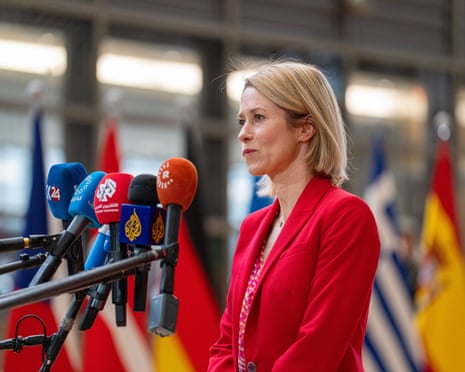
European Union foreign ministers gathered in Brussels for high-stakes discussions centered on Ukraine's evolving military situation, escalating Middle East tensions, and ongoing stability concerns in the western Balkans. The morning session marked a significant diplomatic moment as representatives from across the EU member states convened to assess the latest developments in these critical regional and international matters that continue to shape European foreign policy.
The primary focus of the Brussels meeting centered on Ukraine's military progress and battlefield dynamics, with particular emphasis placed on recent defensive achievements and strategic positioning. Kyiv's foreign minister Andrii Sybiha arrived at the discussions with palpable optimism, repeatedly referencing what he characterized as "a new feeling of momentum" emerging from the conflict zone. His arrival remarks set a notably different tone from previous diplomatic engagements, suggesting a potential turning point in how international observers view the Ukrainian resistance effort.
Sybiha elaborated extensively on Ukraine's military accomplishments during his opening statements to the gathered ministers. "We have a new reality on the battlefield. Ukraine became stronger after the most difficult winter," he declared, emphasizing the resilience demonstrated by Ukrainian forces throughout the challenging cold months. "We stabilised the front and we are also in the position that we closed the sky … [can] shoot down up to 90% of aerial objects by which Russians attack us." These specific statistics underscore the measurable improvements in Ukraine's air defense capabilities and overall military posture.
The 90% interception rate represents a dramatic improvement in Ukraine's air defense systems, reflecting both enhanced equipment and increased operational expertise developed through months of intensive combat experience. This achievement carries profound implications for civilian safety and military operations across Ukrainian territory. The ability to neutralize nine out of every ten incoming aerial threats fundamentally alters the strategic calculus for both Ukrainian defenders and Russian military planners.
Beyond the immediate military assessment, Sybiha directed attention toward broader geopolitical developments affecting the conflict. "We noticed new some very interesting developments in Russia, not only in the economy. So we are following them," he remarked, suggesting Ukrainian and EU intelligence services have identified significant internal changes within the Russian state apparatus. These observations hinted at potential economic sanctions impacts, internal political shifts, or other structural changes within Russian society that warrant close international monitoring.
However, Sybiha tempered the optimistic assessment with a note of caution regarding any potential cessation of hostilities or diplomatic breakthroughs. "We believe that when we see it in action. For now, even during the so-called ceasefire that he begged for, we have not really seen the cessation of hostilities. So, it's premature to, to really suggest something like that." This measured skepticism reflected Ukraine's realistic appraisal of the situation, emphasizing that diplomatic progress requires concrete evidence of commitment from Russian leadership rather than mere statements of intent.
The European Union's diplomatic response to Ukraine's situation continues to evolve as member states assess both military developments and potential pathways toward resolution. The Brussels meeting represented an opportunity for EU foreign ministers to coordinate responses to the ongoing conflict while simultaneously addressing other pressing international concerns. The gathering reflected the EU's commitment to supporting Ukrainian sovereignty while maintaining vigilance regarding broader regional security implications.
The agenda extended beyond Ukraine to encompass Middle East developments, where regional tensions and ongoing conflicts have generated significant international concern. EU ministers sought to coordinate positions on Arab-Israeli dynamics, humanitarian situations, and strategic interests affecting European security and economic stability. The interconnected nature of these Middle Eastern challenges required comprehensive discussion and coordinated diplomatic strategy among EU representatives.
Additionally, the western Balkans security situation commanded attention from the assembled ministers, as this region continues to present challenges related to territorial disputes, minority rights, and broader geopolitical competition for influence. The EU's strategic interest in stabilizing this region reflects both historical commitments to Balkan integration and contemporary concerns about rival powers exploiting regional instability.
The meeting's timing carried particular significance given recent global developments and shifting international alignments. EU foreign policy coordination has become increasingly important as member states navigate complex security challenges spanning multiple continents and involving numerous actors with competing interests. The Brussels gathering provided a crucial venue for ministers to align their approaches and ensure coherent European responses to the multifaceted challenges confronting the continent.
Sybiha's emphasis on "new momentum" reflected genuine military achievements by Ukrainian forces, but his carefully worded caution regarding potential negotiations demonstrated sophisticated diplomatic communication. Ukraine sought to maintain strong international support while avoiding overconfident statements that might undermine negotiating positions or invite premature pressure for concessions. This delicate balancing act characterized much of the diplomatic discourse surrounding the Ukraine conflict.
The international support for Ukraine articulated through these EU ministerial discussions underscored Europe's commitment to supporting Ukrainian independence and territorial integrity. However, the complexity of coordinating dozens of national interests while maintaining unified responses to Russian aggression presented ongoing challenges for European diplomatic efforts. The Brussels meeting addressed these coordination challenges while reinforcing collective European resolve regarding key security priorities.
As the discussions progressed, EU ministers grappled with fundamental questions about sustainable support for Ukraine, long-term European security architecture, and appropriate responses to Russian behavior. These conversations occurred within the broader context of shifting global power dynamics, with European leaders acutely aware that their decisions and positions would influence regional stability for years to come. The weight of these responsibilities underscored the seriousness with which EU representatives approached their diplomatic duties during this pivotal moment in European history.
Source: The Guardian


