
English Council Elections 2026: Live Results Unveiled

Follow live updates as English councils announce 2026 election results. Wales and Scotland counts begin Friday. Key races and winners revealed.
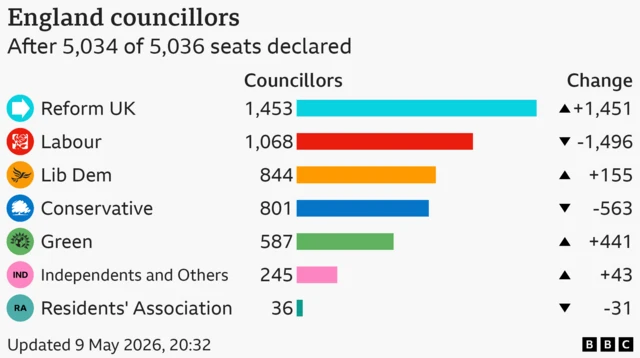
The political landscape across England is undergoing significant transformation as 2026 election results begin flowing in from councils and mayoral offices throughout the nation. This major electoral event represents a crucial moment for local governance, with dozens of English councils and prominent mayoral positions being contested by candidates from various political parties. The counting process, which commenced earlier this week, has already revealed interesting patterns and competitive races that will shape local policy decisions for years to come.
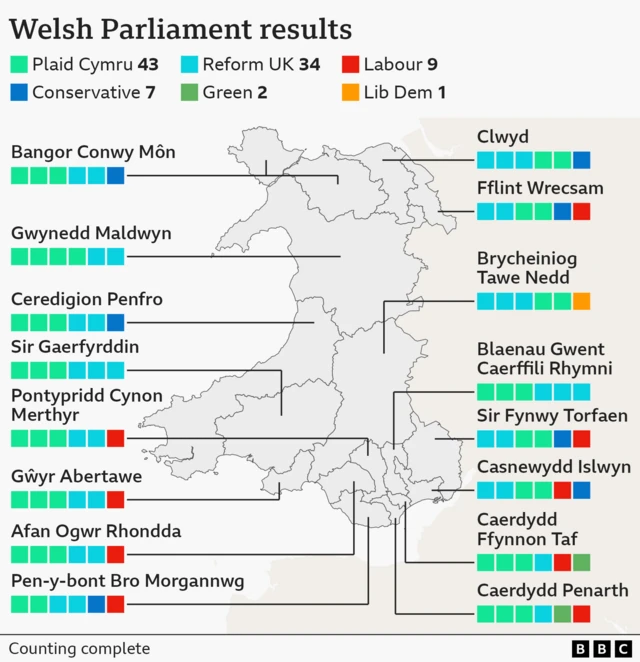
In a carefully coordinated electoral schedule, Wales and Scotland national elections will commence their official counting procedures on Friday, adding another layer of complexity to this week's comprehensive political assessment across the United Kingdom. The staggered approach to counting allows each constituent nation to focus resources appropriately while maintaining the integrity of their respective electoral processes. Observers and political analysts have been closely monitoring the progression of results, noting significant variations in voter engagement and political preferences across different regions.
According to Professor Sir John Curtice, a renowned polling expert and election analyst, the preliminary results offer fascinating insights into shifting voter sentiment and emerging political trends. His commentary has provided context for understanding the broader implications of these electoral outcomes, particularly regarding the performance of various parties in traditional strongholds and emerging political battlegrounds. The expert analysis has highlighted unexpected victories and notable challenges for established political organizations seeking to maintain their influence at the local level.

Among the notable developments observed during this election cycle is the performance of Reform UK, the political party that has generated substantial media attention and public interest. One particularly significant outcome involved the election of Peter Harris as a newly elected councillor representing Clacton North, an achievement that was celebrated enthusiastically by Reform UK activists gathered at the Essex County Council count location. This victory exemplifies the party's growing appeal in specific constituencies and demonstrates their capacity to challenge traditional party structures in areas they have targeted for expansion.
The Essex County Council count, where much of the early celebration and result announcements took place, served as a focal point for tracking regional political developments. The atmosphere at these counting centers has reflected the genuine stakes involved in local elections, with representatives from competing parties monitoring the process carefully and preparing responses to the emerging results. Staff members overseeing the count have maintained rigorous procedures to ensure accuracy and transparency throughout the tallying process, a critical requirement for maintaining public confidence in electoral integrity.
Throughout England, the diversity of council elections has created a complex mosaic of political competition. Different regions have demonstrated varying levels of engagement with the electoral process, and results have shown that local issues often supersede national political narratives when voters are making decisions about their immediate representatives. The complexity of managing dozens of simultaneous election counts across England requires coordinated efforts from electoral officials and volunteers who work tirelessly to process ballots and announce results accurately and efficiently.
The mayoral offices contested during this election cycle have attracted substantial political investment from major parties seeking to control influential urban leadership positions. These races often feature prominent candidates and intense campaigning, as the symbolic and practical importance of mayoral positions extends beyond routine local governance. The outcomes of mayoral elections frequently influence regional policy directions and can serve as indicators for broader political trends that may manifest in future national elections.
Political observers have noted that the staggered timing of results announcements provides ongoing opportunities for analysis and commentary throughout the week. As each new result is announced, pattern recognition becomes increasingly possible, allowing analysts to discern whether specific trends are anomalies or indicators of systematic shifts in voter preferences across regions. The real-time nature of result announcements in the modern media environment means that political commentary and analysis evolve continuously as new information becomes available.
The significance of these 2026 elections extends beyond immediate electoral outcomes, as results often influence the strategic calculations of political parties as they prepare for future campaigns. Local election performance frequently serves as a bellwether for national political health, and the distribution of council seats and mayoral offices reflects the current balance of political forces within the United Kingdom. Party strategists carefully analyze demographic patterns and regional variations in results to refine their approaches and messaging for subsequent electoral contests.
For residents across England, these council elections determine who will represent their interests on issues ranging from local infrastructure and planning decisions to community services and environmental management. The individuals elected as councillors and mayors will face immediate responsibilities for addressing constituent concerns and implementing policies that reflect their campaign promises. The transition from campaign mode to governance requires newly elected officials to quickly establish working relationships with colleagues and begin addressing the practical challenges of local administration.
The counting procedures followed in English councils maintain consistency with established electoral protocols while adapting to specific local circumstances and facilities. Election officials work methodically through the night to ensure all ballots are counted accurately, with representatives from competing parties present to observe the process and challenge any potential irregularities. This transparency requirement serves as a fundamental safeguard for electoral integrity and maintains public confidence in the legitimacy of results, even when outcomes disappoint particular political organizations or their supporters.
As the week progresses and more results continue to be announced, political commentators will increasingly focus on the broader implications of electoral outcomes. The accumulated results will eventually provide a comprehensive picture of how voters across England have assessed their current representatives and what changes they desire in local governance structures. This assessment process contributes to the ongoing democratic conversation about priorities, values, and the direction communities wish to pursue under their elected representatives.
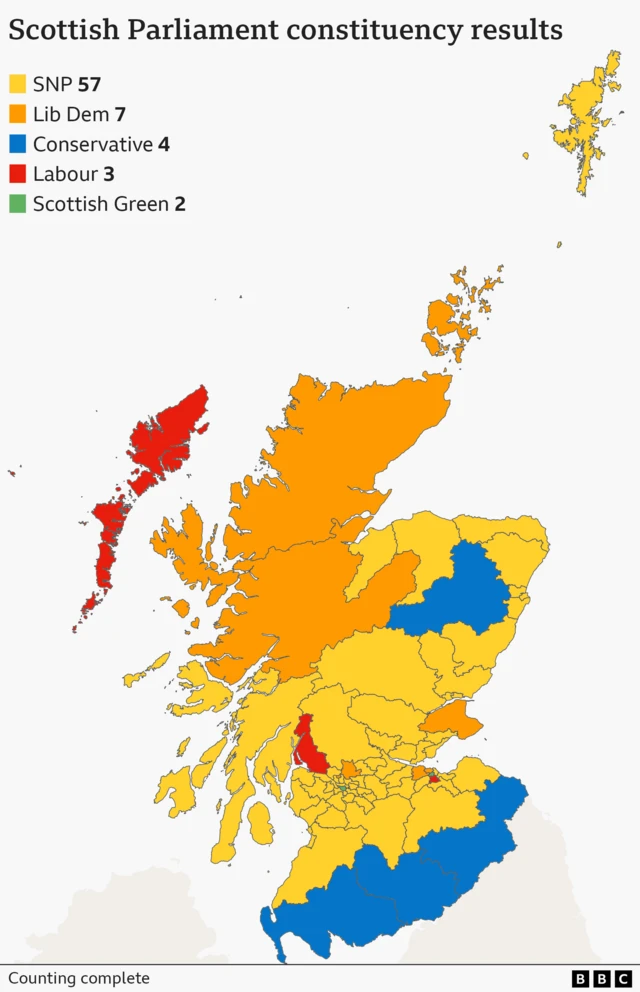
The coordination between different electoral bodies managing English councils, Welsh elections, and Scottish elections demonstrates the complexity of operating a democratic system across multiple constituent nations with distinct political contexts and priorities. Each jurisdiction maintains its own electoral procedures and schedules, adapted to local circumstances while conforming to broader principles of democratic fairness and transparency. This coordinated approach allows simultaneous elections to proceed without overwhelming available administrative resources or creating logistical chaos.
Looking ahead to the Friday commencement of Wales and Scotland counting, the political calendar becomes increasingly concentrated, with multiple major elections occurring within a compressed timeframe. This intensity of electoral activity generates substantial media coverage and public engagement, as voters and political observers attempt to synthesize information across multiple contests occurring simultaneously. The parallel counting procedures will eventually provide a comprehensive assessment of political preferences across the United Kingdom at this particular moment in the electoral cycle.
Source: BBC News


