
Ebola Crisis Escalates: Third Largest Outbreak Spreads Rapidly

WHO reports Ebola outbreak in Democratic Republic of Congo reaches 750 cases in just one week, becoming third largest on record with deaths climbing.
A devastating Ebola outbreak originating in the Ituri province of the Democratic Republic of the Congo has rapidly escalated into a major public health crisis, now ranking as the third largest Ebola outbreak ever recorded in human history. Despite being officially reported just one week prior on May 15, the situation has spiraled dramatically, with confirmed cases approaching 750 individuals and confirmed deaths reaching 177 people according to the latest briefing from the World Health Organization on Friday. Additionally, epidemiologists and contact tracers have identified approximately 1,400 individuals who may have come into contact with infected persons, creating an expanding web of potential transmission chains that health officials are desperately attempting to monitor and contain.
The rapid spread of Ebola has prompted WHO Director-General Tedros Adhanom Ghebreyesus to issue stark warnings about the trajectory of the outbreak. In his official statement, Ghebreyesus emphasized that the situation remains critically unstable, with the virus continuing to spread at an alarming rate throughout affected regions. The sheer speed at which this outbreak has grown—reaching third-largest status within merely seven days of initial detection—underscores the severe danger posed by this particular strain and the challenges faced by regional healthcare systems in responding effectively.
In response to the accelerating crisis, the WHO has significantly elevated its risk assessment, marking a dramatic shift in their official evaluation of the threat level. The organization revised its risk classification from "high" to "very high" at the national level for the Democratic Republic of the Congo, reflecting the serious concern among international health authorities about the potential for uncontrolled expansion. However, the WHO maintains that regional risk remains classified as "high," while the global risk level continues to be assessed as "low," suggesting that while the situation is grave in Central Africa, international spread remains limited at present.
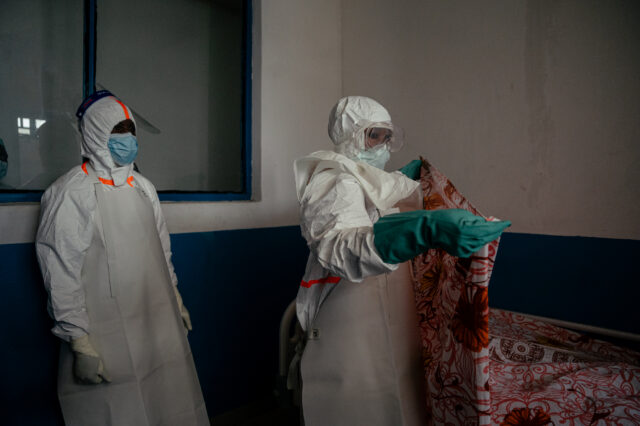
Health officials have candidly acknowledged that the initial delay in detecting and responding to the Ebola virus outbreak played a critical role in allowing the epidemic to expand so dramatically in such a compressed timeframe. This recognition of missteps represents an important moment of institutional accountability within the global health response infrastructure. The lag between when cases first emerged and when international alert mechanisms were triggered created a crucial window during which the virus spread unchecked through communities, establishing transmission chains that now number in the hundreds.
The disease outbreak response efforts are now in high gear, with WHO personnel and Congolese health authorities working frantically to regain control of the situation. Contact tracing operations have become increasingly complex as the number of potentially exposed individuals continues to grow exponentially. These efforts represent one of the most challenging aspects of Ebola disease control, requiring extensive coordination between local health workers, international organizations, and military resources to locate and monitor those who may be in incubation periods.
The Ituri province, where this outbreak originated, represents one of the most volatile regions in the Democratic Republic of the Congo, with ongoing civil unrest and armed conflict complicating humanitarian and medical response efforts significantly. The combination of active violence, limited healthcare infrastructure, and widespread poverty creates an extremely challenging environment for containing a highly lethal pathogen. Security concerns have forced health workers to operate with limited mobility and heightened personal risk, further hampering the ability to reach affected populations and provide critical medical interventions.
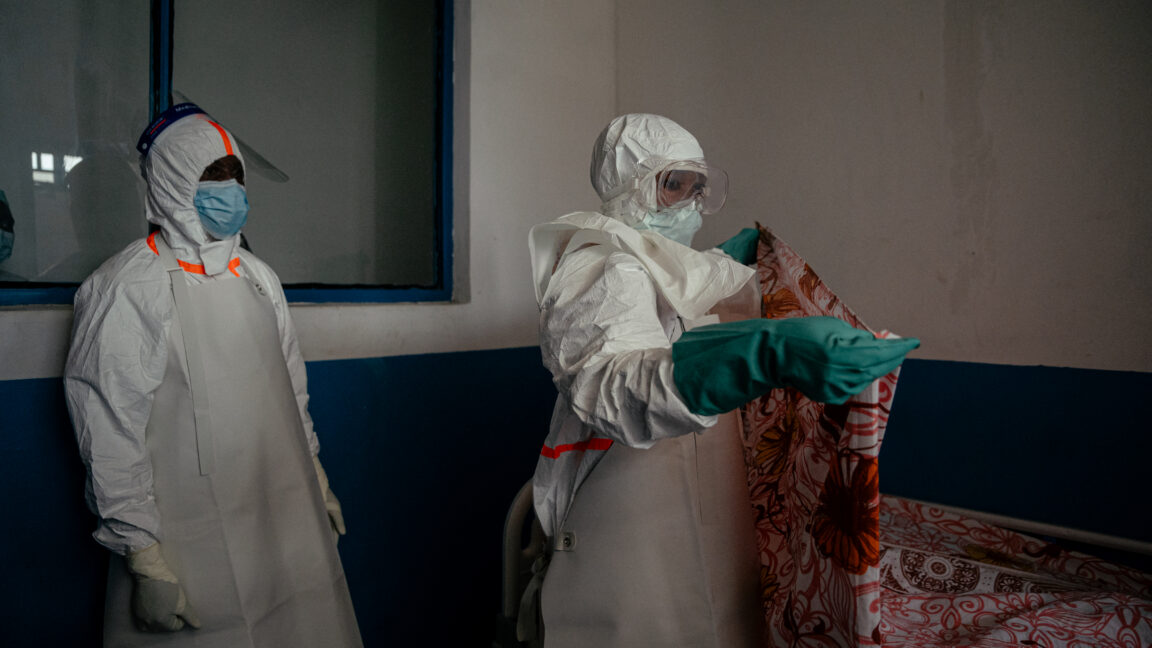
The Ebola virus fatality rate in this outbreak remains alarmingly high, with the current death toll of 177 out of 750 confirmed cases indicating a mortality rate that demands urgent international attention and resource mobilization. This death rate significantly exceeds those seen in seasonal influenza and many other epidemic diseases, making the containment of this outbreak a matter of paramount importance for regional and global health security. The lethality of the virus means that every day of delay in achieving full outbreak control results in additional preventable deaths within vulnerable populations.
International health organizations have begun mobilizing resources and personnel to support the Democratic Republic of the Congo's response capacity, recognizing that domestic resources alone are insufficient to contain an outbreak of this magnitude and trajectory. This includes deployment of laboratory support for rapid diagnostic confirmation, clinical expertise for case management, and epidemiological specialists to enhance surveillance and contact tracing operations. The international Ebola response also encompasses vaccine distribution planning, as several investigational and approved vaccines have shown efficacy against certain Ebola virus strains.

The historical context of previous Ebola outbreaks provides both cautionary lessons and some grounds for cautious optimism about response strategies. The largest recorded outbreak occurred in West Africa between 2014 and 2016, claiming over 11,000 lives across multiple countries and devastating healthcare systems. The second-largest outbreak affected Uganda and other Central African nations in the early 2000s. Current Ebola outbreak management protocols have been refined based on these devastating experiences, though their effectiveness remains dependent on rapid implementation and adequate resource availability.
Public health authorities emphasize that containing this outbreak will require sustained commitment from international partners, significant financial resources, and close cooperation with local communities who must understand the importance of symptom reporting and isolation practices. The window for preventing this outbreak from becoming a major international emergency remains open but is rapidly closing, making the next few weeks absolutely critical in determining whether this epidemic can be brought under control or whether it will continue to escalate and potentially spread beyond current geographic boundaries.
Source: Ars Technica


