
DR Congo Cancels World Cup Training Camp Amid Ebola Crisis

Democratic Republic of Congo suspends World Cup preparation activities following deadly Ebola outbreak. Health authorities report 139 deaths from rare virus strain.
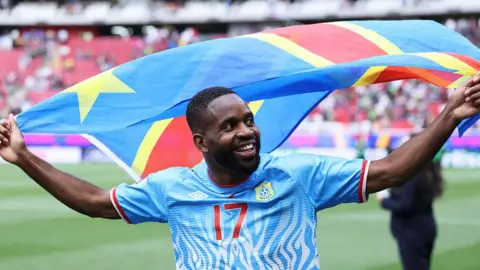
The Democratic Republic of Congo has made the difficult decision to cancel its World Cup training camp in response to an escalating Ebola outbreak that has claimed significant lives across the nation. This unprecedented move reflects the severity of the public health emergency currently gripping the country and underscores the prioritization of citizen safety over international sporting commitments.
The Ebola virus outbreak currently spreading through the DR Congo has been attributed to a rare species of the deadly pathogen, distinguishing it from previous outbreaks documented in the region. According to health officials and international monitoring agencies, the outbreak has resulted in approximately 139 confirmed deaths, making it one of the more severe recent incidents of this nature. The actual number of cases and deaths may be higher, as surveillance systems in remote areas continue to improve and additional cases are being identified.
The cancellation of the national team's World Cup preparation activities represents a significant disruption to the country's international football ambitions. The training camp was scheduled as part of the team's comprehensive preparation strategy for upcoming World Cup qualification matches and tournament participation. However, government health authorities determined that proceeding with large-scale team activities during the health crisis would pose unacceptable risks to players, coaching staff, and the broader population.
Football officials and government representatives held emergency meetings to assess the implications of continuing with scheduled sports activities during the pandemic situation. The consensus among health experts was clear: maintaining public gathering restrictions and limiting non-essential activities remained critical to controlling the virus's transmission rate. This decision aligns with established epidemiological protocols that emphasize reducing population movement and contact during active outbreak phases.
The rare Ebola species responsible for the current outbreak has prompted urgent investigation from international health organizations, including the World Health Organization and various medical research institutions. Understanding the specific viral strain's characteristics, transmission patterns, and potential treatments has become a priority for global health authorities. The identification of rare species variants underscores the complex nature of viral evolution and the importance of sustained surveillance systems across affected regions.
Healthcare infrastructure across the DR Congo has been mobilized to respond to the outbreak, with isolation centers, treatment facilities, and contact tracing operations activated in affected areas. Medical personnel have been deployed to establish quarantine zones and provide supportive care to infected individuals. The strain on local healthcare systems has been considerable, requiring coordination with international medical organizations and humanitarian agencies to provide additional resources and expertise.
The decision to suspend international sporting activities extends beyond the national football team, with various athletic events and competitions being postponed or cancelled across the region. Sports authorities recognized that gathering participants, coaching staff, media personnel, and supporters from multiple regions could inadvertently accelerate virus transmission. This preventative approach demonstrates the interconnected nature of public health and sports administration during disease emergencies.
The World Cup preparation disruption will necessitate rescheduling training sessions and match fixtures as the health situation evolves. Football administrators are working with international governing bodies to adjust competition calendars and provide alternative preparation windows for affected nations. The impact on the team's competitive readiness and performance capabilities remains uncertain, pending the outbreak's resolution and resumption of normal activities.

Communication from the Congolese government has emphasized the temporary nature of these restrictions, with assurances that sporting activities will resume once epidemiological indicators demonstrate sustained decline in case numbers and deaths. Public health officials are closely monitoring transmission rates, fatality statistics, and the effectiveness of containment measures to determine when restrictions can be safely lifted. The timeline for resuming activities remains contingent on achieving specific health benchmarks established by medical experts.
International support for the DR Congo's response efforts has materialized through various channels, including medical supplies, technical expertise, and funding from bilateral and multilateral partners. The global health community recognizes that containing outbreaks in any region requires robust international cooperation and resource sharing. This collaborative approach extends to sharing research findings and treatment protocols that may benefit affected populations.
The outbreak's impact on the nation extends beyond sports, affecting education, commerce, and routine healthcare services. Citizens have been advised to maintain precautions including enhanced hygiene practices, social distancing where feasible, and prompt reporting of symptoms to health authorities. Public awareness campaigns have been disseminated through various media channels to educate populations about Ebola transmission prevention and appropriate response measures.
For the national football team, alternative training methodologies and preparation strategies are being explored to maintain player fitness and tactical readiness during the suspension period. Individual training protocols and virtual coaching sessions represent potential interim measures that could help minimize competitive disadvantage. Team officials are coordinating with players to ensure continuity in player development despite the restrictions on organized team activities.
The health crisis response in the DR Congo demonstrates the multifaceted challenges of managing infectious disease outbreaks in resource-constrained settings. Balancing public health imperatives with economic and social activities requires nuanced decision-making informed by epidemiological data and available resources. The cancellation of sporting activities reflects this careful calibration of competing priorities, prioritizing human health and safety above immediate sporting goals.
As the situation continues to develop, the international community remains engaged in monitoring the outbreak's trajectory and providing necessary support. The resumption of World Cup preparation activities will signal a significant milestone in the country's recovery from the health emergency. Until then, the focus remains steadfastly on containing the virus, treating affected individuals, and protecting the broader population from further transmission.
Source: BBC News


