
Dinosaur Eggshells Crack Code for Dating Ancient Fossils

Scientists develop revolutionary method using dinosaur eggshells to accurately date surrounding rocks and fossils, solving long-standing paleontology challenges.
The challenge of determining the precise age of dinosaur fossils has long plagued paleontologists worldwide. When ancient remains emerge from excavation sites, scientists often struggle to pinpoint exactly when these prehistoric creatures lived and died. The complex layers of sedimentary rock that house these treasures represent vast periods of Earth's history, yet accurately dating these geological formations and their fossilized contents has remained one of paleontology's most persistent obstacles.
Traditional approaches to fossil dating have yielded mixed results, with fossilized bones and teeth providing inconsistent data depending on their preservation state. The natural processes of fossilization, combined with the geological transformation of sediment into solid rock over millions of years, can significantly alter bone composition in ways that compromise dating accuracy. These alterations create chemical changes that interfere with established dating methodologies, leaving researchers with unreliable age estimates for some of history's most important discoveries.
Among the various techniques employed by scientists, uranium-lead dating stands as one of the most widely respected methods for determining the age of ancient materials. However, when applied directly to fossil specimens, this technology remains in its infancy, with researchers still refining techniques to overcome the unique challenges posed by fossilized organic matter. The inconsistencies in results have driven scientists to seek alternative approaches that might provide more reliable temporal markers.
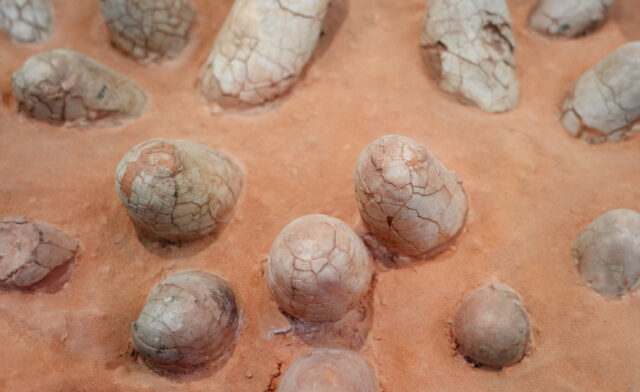
A groundbreaking solution may have emerged from an unexpected source: dinosaur eggshells. Under the leadership of paleontologist Ryan Tucker from Stellenbosch University, an innovative research team has developed a revolutionary methodology that promises to transform how scientists approach fossil dating. Their technique focuses specifically on the unique properties of fossilized eggshells, which appear to retain temporal information more reliably than other types of prehistoric remains.
The research team's approach centers on analyzing the crystalline structure and chemical composition of fossilized eggshells to determine when they were originally buried beneath layers of ancient sediment. This burial event represents a crucial moment in the fossilization process, as it marks when the organic material was sealed away from surface conditions and began its transformation into stone. By pinpointing this temporal marker, scientists can establish a reliable timeline for the entire rock layer.
What makes this methodology particularly valuable is its potential for broad application across paleontological sites. Once researchers determine the burial age of eggshells within a specific sedimentary layer, they can apply that same timeframe to any other fossils found within the identical geological stratum. This approach effectively turns dinosaur eggshells into temporal anchors that can date entire fossil assemblages with unprecedented accuracy.
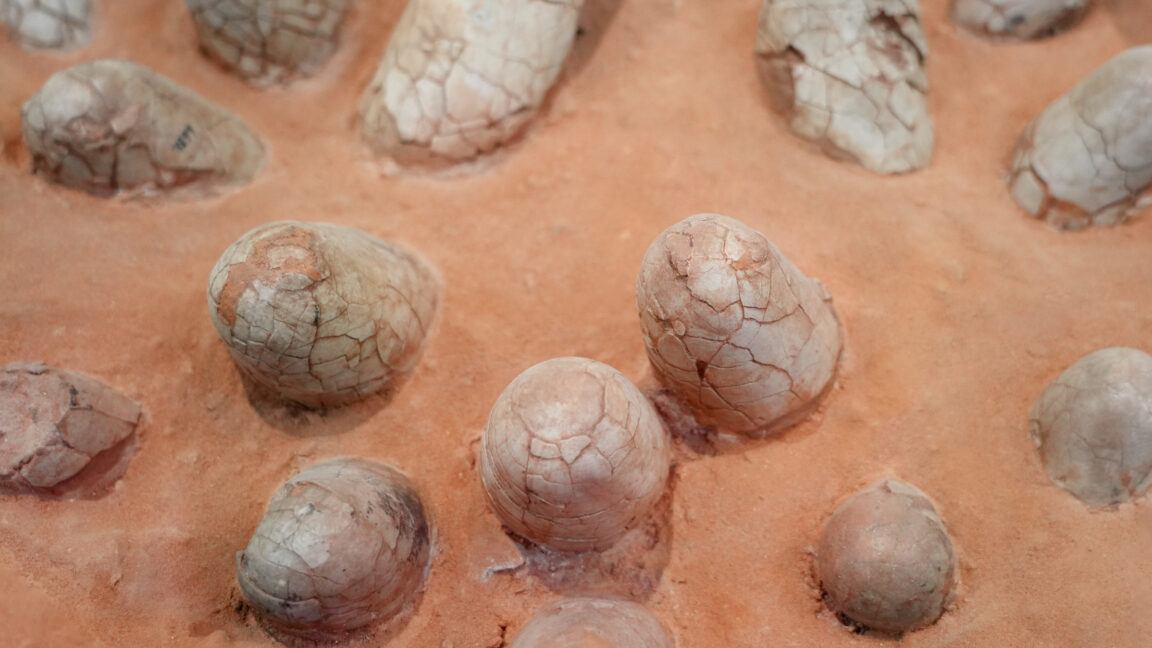
The implications of this breakthrough extend far beyond simple age determination. Accurate dating of fossil assemblages allows scientists to better understand evolutionary timelines, extinction events, and the relationship between different species that lived during the same periods. This temporal precision is crucial for reconstructing ancient ecosystems and understanding how life on Earth responded to major environmental changes throughout the Mesozoic Era.
Tucker's team has demonstrated that eggshells possess certain advantages over traditional bone and tooth fossils when it comes to preserving original chemical signatures. The unique composition of eggshells, primarily consisting of calcium carbonate crystals, appears to be more resistant to the chemical alterations that commonly affect other types of fossilized material. This resistance to change makes them ideal candidates for radiometric dating techniques that rely on consistent chemical ratios.
The methodology developed by the Stellenbosch University team represents years of careful research and refinement. By focusing on the specific mineralogical properties of eggshell fossils, they have identified key indicators that remain stable throughout the fossilization process. These indicators serve as reliable chronometers, preserving information about when the original burial event occurred millions of years ago.

This innovative approach addresses one of the fundamental challenges in geological dating: the need for materials that maintain their original chemical signatures despite millions of years of burial and geological pressure. While bones and teeth can undergo significant chemical changes during fossilization, eggshells appear to retain their temporal markers more consistently, providing scientists with a more reliable foundation for age determination.
The practical applications of this technique extend to fossil sites around the world, where researchers have discovered dinosaur nesting grounds containing both eggshell fragments and other types of fossils. These sites, which previously presented dating challenges due to the mixed preservation quality of different fossil types, can now be more accurately placed within the geological timeline using the eggshell dating method.
Furthermore, the technique opens new avenues for understanding dinosaur reproduction and nesting behaviors within specific temporal contexts. By accurately dating nesting sites, scientists can correlate reproductive patterns with environmental conditions and climate changes that occurred during different periods of the Mesozoic Era. This correlation provides valuable insights into how dinosaur species adapted their breeding strategies to changing environmental conditions.
The research has significant implications for museum collections and fossil exhibits worldwide. Many dinosaur specimens currently displayed with approximate age ranges could potentially be dated more precisely using this new methodology, provided that eggshell fragments from the same geological context are available for analysis. This increased precision would enhance the scientific value of these collections and provide more accurate information for educational purposes.
As this dating technique gains acceptance within the scientific community, it is expected to become a standard tool in paleontological research. The method's reliability and broad applicability make it particularly valuable for large-scale studies that seek to understand evolutionary patterns across multiple species and geological time periods. Research institutions worldwide are likely to adopt this approach as they work to refine the temporal framework of prehistoric life on Earth.
Source: Ars Technica


