
Denmark Rejects Trump's Hospital Ship for Greenland

Danish Defense Minister dismisses US President's offer to send medical vessel to Greenland, stating the territory receives adequate healthcare coverage.
Denmark has firmly rejected Donald Trump's offer to dispatch a hospital ship to Greenland, with the nation's defense minister emphasizing that the Arctic territory receives comprehensive medical care through existing Danish healthcare systems. The rebuff comes as tensions continue to escalate over Trump's renewed interest in acquiring the strategically important island.
Defense Minister Troels Lund Poulsen addressed the controversy during a television interview on Sunday, categorically dismissing the US president's assertion that Greenlandic residents are not receiving proper medical attention. Speaking to Danish broadcaster DR, Poulsen made clear that the autonomous Danish territory maintains robust healthcare infrastructure that adequately serves its population of approximately 56,000 residents.
"The Greenlandic population receives the healthcare it needs," Poulsen stated emphatically during the broadcast. "They receive it either in Greenland, or, if they require specialized treatment, they receive it in Denmark. So it's not as if there's a need for a special healthcare initiative in Greenland." His comments directly contradicted Trump's claims about inadequate medical services on the island.
The dispute over medical assistance represents the latest chapter in an ongoing diplomatic tension between the United States and Denmark regarding Greenland's sovereignty. Trump has repeatedly expressed interest in purchasing the world's largest island, citing its strategic military importance and vast natural resources, including rare earth minerals crucial for modern technology and defense applications.
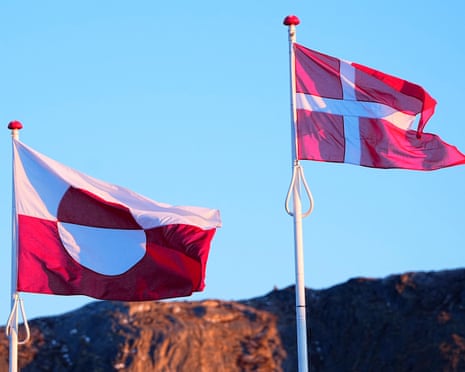
Greenland's healthcare system operates under a unique arrangement that reflects its status as an autonomous territory within the Kingdom of Denmark. The island maintains its own healthcare infrastructure, including hospitals in major settlements like Nuuk, the capital, and smaller medical facilities distributed across remote communities. When specialized treatments unavailable locally are required, patients are typically transported to Denmark for care.
This healthcare arrangement has functioned effectively for decades, addressing the particular challenges of providing medical services across Greenland's vast territory of over 2 million square kilometers. The system accounts for the island's sparse population density and extreme geographic conditions, which can make medical evacuations challenging during harsh winter months.
Trump's hospital ship proposal appears to be part of a broader strategy to demonstrate American concern for Greenlandic welfare while advancing his acquisition ambitions. However, Danish officials have consistently maintained that Greenland is not for sale and that any discussions about the territory's future must include Greenlandic leadership as primary stakeholders.
The timing of Trump's medical assistance offer has raised questions about underlying political motivations. Critics suggest the proposal serves as a pretext for establishing increased American presence in the region, potentially paving the way for future territorial negotiations. Geopolitical experts note that Greenland's location provides crucial access to Arctic shipping routes and military positioning vis-à-vis Russia and China.
Greenlandic officials have not remained silent on the matter, with local political leaders emphasizing their territory's right to self-determination. The Greenlandic government has consistently stated that while they value relationships with both Denmark and the United States, any changes to their political status must originate from internal democratic processes rather than external pressure.
The Arctic region has become increasingly important in global geopolitics as climate change opens new shipping routes and makes natural resource extraction more feasible. Greenland sits at the center of these developments, possessing significant deposits of rare earth elements, oil, and gas reserves that various nations view as strategically vital for future economic and military security.
Denmark's healthcare investment in Greenland reflects the kingdom's ongoing commitment to the territory's development and welfare. Recent years have seen substantial Danish funding directed toward upgrading medical facilities, training healthcare personnel, and improving emergency medical transportation capabilities across the island's challenging terrain.
The hospital ship controversy also highlights broader questions about Arctic sovereignty and international law. Legal experts emphasize that Greenland's status as an autonomous territory within Denmark provides clear legal framework for governance, including healthcare provision, making unsolicited foreign assistance offers potentially problematic under international diplomatic protocols.
As the diplomatic standoff continues, both Danish and Greenlandic officials remain unified in their response to American overtures. They emphasize that existing bilateral cooperation mechanisms between the United States and Denmark already facilitate appropriate collaboration on matters affecting Greenlandic interests, including scientific research and environmental monitoring.
The rejection of Trump's hospital ship offer signals Denmark's determination to maintain Greenlandic autonomy while protecting the territory from what officials perceive as inappropriate foreign interference. This stance reflects broader European concerns about American unilateral actions in regions of strategic importance to traditional allies.
Moving forward, the healthcare dispute may serve as a bellwether for future US-Danish relations under Trump's presidency. Diplomatic observers will be watching closely to see whether similar offers of assistance emerge and how both nations navigate the complex balance between Arctic cooperation and territorial sovereignty in an increasingly competitive geopolitical environment.
Source: The Guardian


