
Democrat Burbank Wins Primary, Plans to Yield Seat to Independent

Cindy Burbank defeats alleged Republican plant William Forbes in Nebraska Democratic primary, commits to withdrawing to support independent Dan Osborn.
Cindy Burbank, the Democratic challenger who successfully navigated Nebraska's primary election, has reaffirmed her commitment to stepping aside from the November general election to support an independent candidate. Her strategic decision represents an unusual political maneuver designed to maximize chances of defeating the incumbent Republican in one of the nation's most competitive Senate races.
Burbank's primary victory came against William Forbes, a pastor whom Democratic Party officials and activists had publicly identified as a potential Republican plant infiltrating their ranks. The contentious primary race centered on questions about Forbes's actual political allegiances and motivations for entering the Democratic contest. Forbes, a religious leader from Nebraska, has a documented history of supporting Republican causes and former President Trump in previous elections.
The allegations surrounding Forbes's candidacy gained significant traction within Democratic circles, with party insiders questioning the authenticity of his Democratic registration and stated campaign commitments. Critics pointed to Forbes's conservative positions on key issues, particularly his well-documented opposition to abortion access rights, as evidence that his primary candidacy was designed to divide the Democratic vote rather than represent genuine party values.
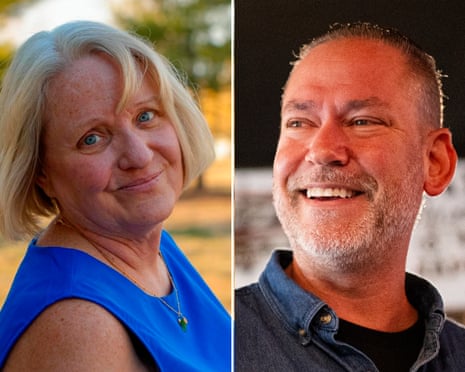
Burbank's decision to enter the primary race was predicated from the beginning on a strategic calculation that the best path forward for defeating the Republican incumbent would be through consolidation around an independent candidate rather than forcing a three-way general election split. Dan Osborn, the independent candidate in question, has positioned himself as an alternative to traditional partisan politics and has garnered substantial grassroots support across Nebraska's diverse regions.
This unprecedented political arrangement reflects the growing frustration among Nebraska voters with partisan gridlock and traditional two-party politics. The independent movement in Nebraska has gained momentum in recent election cycles, with voters increasingly seeking candidates who pledge to work across party lines and prioritize constituent concerns over party loyalty. Osborn's independent candidacy has attracted support from Democrats, Republicans, and unaffiliated voters who feel underrepresented by the traditional party establishment.
The strategic withdrawal plan demonstrates sophisticated political organizing on the part of Democratic leadership in Nebraska, who recognize that their party's path to victory runs through supporting an independent rather than fielding a traditional Democratic nominee. This approach acknowledges the demographic and political realities of Nebraska, where Republican registration has traditionally held significant advantages. By consolidating progressive and moderate voters behind a single non-partisan candidate, Democrats believe they can maximize their electoral strength.
Forbes's position as a registered Democrat with conservative credentials and Trump support highlighted the broader challenges facing both major parties in attracting and retaining candidates whose stated affiliations align with their actual policy positions. His candidacy raised important questions about party registration, candidate vetting processes, and the mechanics of party primary elections in an increasingly polarized political environment.
The Nebraska Senate election has emerged as a significant battleground in the national political landscape, receiving attention and resources from national party committees and independent political organizations. The seat's competitive nature stems from shifting demographics, changing voter preferences, and the particular appeal of independent candidates in a state with significant political diversity. Analysts have suggested that the race could potentially influence broader national political trends and party strategies.
Burbank's public commitment to withdrawing from the general election if she won the primary represents a remarkable degree of political selflessness and party discipline. Rather than pursuing personal advancement through a general election candidacy, she chose to subordinate her individual ambitions to what she and state Democratic leaders determined was the party's best strategic interest. This decision has been praised by Democratic activists and party officials who view it as a model of strategic political thinking.
The mechanics of Burbank's withdrawal will require careful coordination with state election officials and Democratic Party leadership to ensure compliance with Nebraska's ballot access laws and primary regulations. State law governs the process by which candidates can withdraw from races and whether their votes or delegates can be transferred or reallocated. These procedural requirements will play an important role in executing the planned transition from Burbank's primary victory to Osborn's general election candidacy.
Looking toward the November general election, the consolidated support behind Osborn represents a significant strategic advantage in a race where every voter will likely matter. Exit polling from the primary suggested that Burbank's message about withdrawing to support Osborn resonated strongly with primary voters, who recognized the logic of the consolidated strategy. The independent candidate now enters the general election phase with explicit support from the state's Democratic infrastructure and activist base.
This unusual political arrangement raises broader questions about the future of party politics in America and the growing viability of independent candidates in statewide elections. As voters increasingly express frustration with partisan polarization and gridlock, candidates like Osborn who position themselves outside traditional party structures may find increasing electoral success. The Nebraska race provides an important test case for whether independent candidacies backed by major party support can successfully challenge entrenched incumbents.
The path forward for Burbank following her strategic withdrawal from the general election race remains uncertain, though party leaders have suggested she could play an important role in supporting Osborn's campaign and advancing Democratic priorities within his administration should he win. Her willingness to prioritize party strategy over personal political advancement could establish her as a influential figure within Nebraska's political landscape moving forward.


