
Deadly Virus Kills 72 Tigers in Thailand Wildlife Crisis

Highly contagious virus outbreak devastates captive tiger population in Chiang Mai region as officials race to contain spread and protect survivors.
A devastating virus outbreak has claimed the lives of 72 captive tigers in northern Thailand's Chiang Mai region, prompting an urgent response from wildlife authorities and veterinary teams. The crisis unfolded earlier this month when dozens of the majestic animals began displaying alarming symptoms of illness, leading to rapid fatalities that have shocked conservation experts and animal welfare advocates worldwide.
The highly contagious virus responsible for this catastrophic loss has not yet been fully identified, though preliminary investigations suggest it may be a strain particularly virulent to feline species. Veterinary pathologists are working around the clock to analyze tissue samples and determine the exact nature of the pathogen, while simultaneously implementing emergency containment measures to prevent further spread among the remaining tiger population.
Officials from Thailand's Department of National Parks, Wildlife and Plant Conservation have mobilized specialized teams to address the crisis. These emergency response units are conducting comprehensive disinfection procedures throughout all affected facilities, using industrial-grade sanitization equipment to eliminate any traces of the virus from enclosures, feeding areas, and equipment used in animal care.
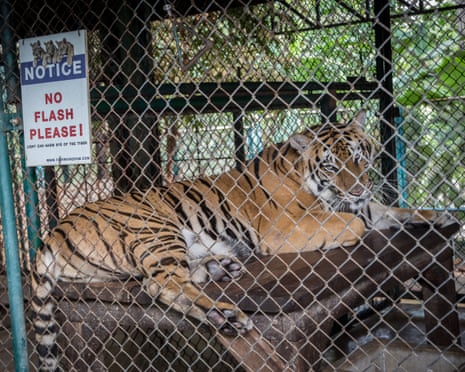
The outbreak has particularly impacted several private wildlife facilities and conservation centers in the Chiang Mai region, which houses one of Thailand's largest populations of captive tigers. These facilities, many of which operate as breeding centers for conservation purposes, have been placed under strict quarantine protocols to prevent the virus from spreading to other wildlife populations in the area.
Veterinary experts are preparing an ambitious vaccination campaign for the surviving tigers, though the timeline for implementation depends on the successful identification of the virus strain. Dr. Somchai Rattanakul, a leading veterinary pathologist involved in the investigation, explained that developing an effective vaccination protocol requires precise understanding of the viral characteristics and immune response patterns in tigers.
The rapid progression of the illness has been particularly concerning for wildlife health specialists. Initial symptoms observed in affected animals included lethargy, loss of appetite, and respiratory distress, which quickly escalated to more severe complications. The swift mortality rate suggests the virus may be a novel strain or a mutation of an existing pathogen that has developed enhanced virulence.
Thailand's wildlife conservation community has been deeply affected by this unprecedented loss. The country has been working to rebuild its tiger population through various conservation initiatives, making this outbreak a significant setback for national wildlife preservation efforts. The 72 deaths represent a substantial portion of the region's captive tiger population and could impact genetic diversity in breeding programs.
International wildlife health organizations have offered assistance in investigating the outbreak and developing containment strategies. The World Health Organization's animal health division and several European veterinary research institutions have expressed willingness to provide expertise and resources to help Thai authorities combat the crisis.
The economic implications of the outbreak extend beyond conservation concerns. Many of the affected facilities rely on tourism and educational programs for funding, and the mandatory quarantine measures have effectively shut down these revenue streams during the crisis. This financial pressure adds another layer of complexity to the emergency response efforts.
Local communities in the Chiang Mai region have also been affected by the outbreak. Many residents work at these wildlife facilities or depend on tiger-related tourism for their livelihoods. The uncertainty surrounding the duration of quarantine measures has created economic anxiety among families whose income depends on these operations.
Biosecurity protocols at all remaining tiger facilities across Thailand have been significantly enhanced following this outbreak. New measures include mandatory health screenings for all staff, restricted access to animal areas, and implementation of advanced air filtration systems to reduce the risk of airborne transmission.
The investigation into the source of the virus continues, with teams examining various potential vectors including contaminated food supplies, infected equipment, or transmission from wild animal populations. Understanding the origin of the outbreak will be crucial for preventing similar incidents in the future and protecting Thailand's remaining tiger populations.
Conservation biologists warn that this outbreak highlights the vulnerability of captive wildlife populations to emerging diseases. The concentration of animals in relatively small spaces can facilitate rapid transmission of pathogens, making robust health monitoring and preventive care essential for any wildlife facility operations.
The Thai government has announced plans to review and strengthen regulations governing wildlife facility management in response to this crisis. New standards may include more frequent health assessments, enhanced quarantine procedures for new animals, and mandatory reporting systems for any signs of illness among captive wildlife populations.
As the emergency response continues, wildlife authorities remain cautiously optimistic about containing the outbreak and protecting the surviving tigers. The success of vaccination efforts and continued vigilance in monitoring animal health will determine whether this devastating incident can be prevented from recurring in Thailand's wildlife conservation facilities.
This tragic event serves as a stark reminder of the ongoing challenges facing wildlife conservation efforts worldwide and the critical importance of maintaining the highest standards of animal care and disease prevention in captive breeding programs designed to protect endangered species like tigers.
Source: The Guardian


