
Dazzling Headlights: Why Quick Fix Remains Elusive

Road users struggle with headlight glare issues while automotive experts warn that finding effective solutions isn't straightforward. Explore the complexities.
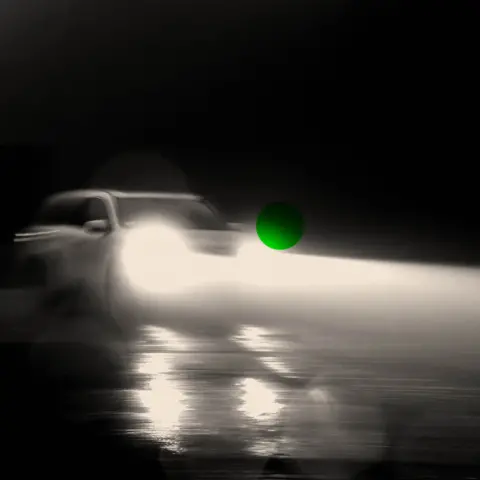
The persistent problem of dazzling headlights continues to plague drivers across the globe, creating dangerous situations on roadways while authorities and automotive manufacturers grapple with finding effective solutions. Despite widespread complaints from motorists about increasingly bright vehicle lighting systems, industry experts emphasize that addressing this complex issue requires careful consideration of multiple factors including safety regulations, technological limitations, and varying road conditions.
Modern vehicles have undergone significant transformations in their lighting technology over the past two decades, with traditional halogen bulbs giving way to more powerful LED and HID (High-Intensity Discharge) systems. These advanced automotive lighting technologies provide superior illumination for drivers, enhancing visibility during nighttime driving and adverse weather conditions. However, this technological advancement has inadvertently created new challenges for oncoming traffic and pedestrians who frequently experience uncomfortable and potentially dangerous glare.
The science behind headlight glare involves complex interactions between light intensity, beam patterns, vehicle positioning, and human visual perception. When light from vehicle headlights enters the human eye at certain angles and intensities, it can cause temporary vision impairment, discomfort, and reduced ability to distinguish objects in low-light conditions. This phenomenon, known as disability glare, becomes particularly problematic when vehicles with different ride heights encounter each other on the road, such as when a sedan meets an SUV or pickup truck.
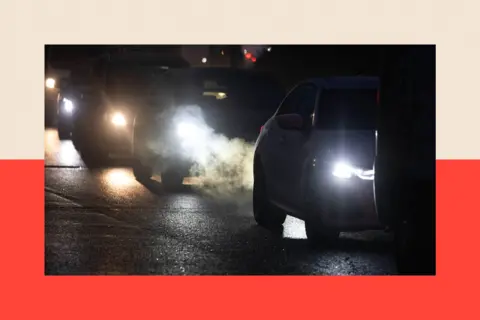
Automotive engineers and safety researchers have identified several contributing factors to the headlight glare problem. Vehicle height differences play a crucial role, as taller vehicles naturally position their headlights at levels that can directly illuminate the interior of lower vehicles. Additionally, improper headlight alignment, aftermarket modifications, and the inherent characteristics of certain lighting technologies all contribute to the severity of glare experienced by other road users.

Regulatory bodies worldwide have established standards for vehicle lighting regulations, attempting to balance the need for adequate driver visibility with the prevention of excessive glare. The United States relies on Federal Motor Vehicle Safety Standards (FMVSS), while European markets follow Economic Commission for Europe (ECE) regulations. These standards specify parameters such as maximum light intensity, beam patterns, and cutoff angles designed to minimize glare while maintaining effective illumination.
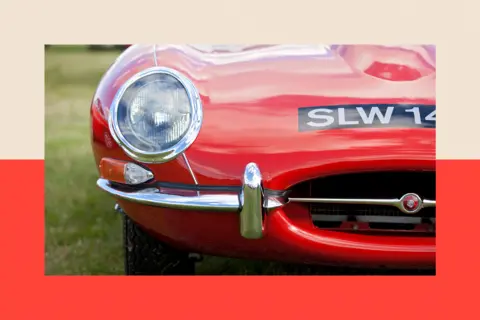
However, experts point out that existing regulations were developed during an era when halogen headlights dominated the market, and may not adequately address the unique characteristics of modern LED and laser lighting systems. The transition to newer technologies has outpaced regulatory updates, creating a gap between current standards and the reality of contemporary automotive lighting capabilities.
The challenge of implementing quick fixes becomes apparent when considering the diverse range of factors that influence headlight performance. Road surface conditions, weather patterns, vehicle loading, and even tire pressure can affect headlight aim and glare characteristics. What works effectively in one geographic region or driving condition may prove inadequate or problematic in another, making universal solutions difficult to implement.
Manufacturers have explored various technological approaches to address headlight glare reduction, including adaptive lighting systems that automatically adjust beam patterns based on oncoming traffic, road conditions, and vehicle speed. These systems use cameras, sensors, and sophisticated algorithms to detect other vehicles and modify light distribution in real-time. While promising, these technologies add significant cost to vehicles and require complex integration with existing automotive systems.
Another proposed solution involves the development of matrix LED systems, which utilize arrays of individually controllable LED elements to create precise beam patterns. These systems can selectively dim or redirect specific portions of the light beam to avoid glaring oncoming drivers while maintaining maximum illumination in other areas. Several luxury vehicle manufacturers have begun incorporating such technologies, though widespread adoption remains limited by cost and regulatory approval processes.
The aftermarket modification culture presents additional complications to solving the glare problem. Many vehicle owners upgrade their factory lighting systems with brighter bulbs or complete headlight assemblies, often without proper consideration of beam patterns or glare characteristics. These modifications can significantly increase glare potential while bypassing the careful engineering and testing that accompanies original equipment manufacturer lighting systems.
Infrastructure considerations also play a role in the complexity of addressing headlight glare issues. Road design, signage reflectivity, and ambient lighting conditions all influence how vehicle headlights interact with the driving environment. Urban areas with substantial street lighting may require different lighting approaches compared to rural highways with minimal ambient illumination, further complicating efforts to develop standardized solutions.
Safety advocacy groups have increasingly voiced concerns about the growing prevalence of excessive headlight brightness, citing studies that link glare exposure to increased accident risks, particularly among older drivers whose eyes are more sensitive to bright lights. These organizations push for stricter enforcement of existing regulations and the development of new standards that better address modern lighting technologies.
The international nature of the automotive industry adds another layer of complexity to implementing comprehensive solutions. Vehicles designed for global markets must comply with varying regulatory standards across different regions, potentially limiting the effectiveness of glare-reduction technologies. Harmonizing international lighting standards could facilitate more effective approaches to addressing the problem, but such coordination requires extensive collaboration between regulatory bodies, manufacturers, and safety organizations.
Research institutions continue investigating innovative approaches to automotive lighting solutions, including the development of new materials, optical designs, and control systems. Some researchers explore the potential of using artificial intelligence and machine learning algorithms to optimize headlight performance in real-time, adapting to specific driving conditions and traffic patterns. Others investigate alternative lighting technologies that could provide effective illumination while minimizing glare characteristics.
The economic implications of implementing comprehensive solutions to the headlight glare problem cannot be ignored. Advanced lighting systems significantly increase vehicle costs, potentially making safer lighting technologies inaccessible to budget-conscious consumers. This economic reality may perpetuate the problem if more affordable vehicles continue using traditional lighting systems that contribute to glare issues.
Driver education and awareness programs represent another approach to addressing aspects of the headlight glare problem. Teaching drivers about proper headlight usage, the importance of regular alignment checks, and the impact of vehicle modifications on other road users could help reduce some instances of excessive glare. However, experts acknowledge that educational approaches alone cannot solve the underlying technological and regulatory challenges.
Looking toward the future, the transition to electric and autonomous vehicles may present new opportunities and challenges for addressing headlight glare issues. Electric vehicles offer greater flexibility in power management for advanced lighting systems, while autonomous vehicles could incorporate more sophisticated communication systems that coordinate lighting behavior between vehicles. However, these technological shifts will require years or decades to achieve significant market penetration.
The complexity of the headlight glare issue demonstrates why quick fixes remain elusive despite widespread recognition of the problem. Effective solutions will likely require coordinated efforts involving regulatory updates, technological advancement, industry collaboration, and infrastructure considerations. While individual technologies and approaches show promise, comprehensive resolution of the dazzling headlight problem will demand sustained commitment from multiple stakeholders across the automotive and transportation industries.
Source: BBC News


