
Cyclone Maila Targets North Queensland Weeks After Narelle's Destruction

As Severe Tropical Cyclone Maila approaches Queensland's coast, the Bureau of Meteorology warns of potential impacts to the same area hit by Cyclone Narelle just weeks ago.
Severe Tropical Cyclone Maila is on a trajectory to hit far north Queensland, just three weeks after the region was battered by Cyclone Narelle. The Bureau of Meteorology (BoM) has issued warnings, cautioning that the Cape York Peninsula could potentially take a direct hit if the cyclone makes landfall.
While the exact path and intensity of Cyclone Maila remain uncertain, meteorologists are closely monitoring the storm's development. According to the BoM, the cyclone is likely to make landfall over the weekend, potentially bringing with it destructive winds, heavy rainfall, and storm surge.
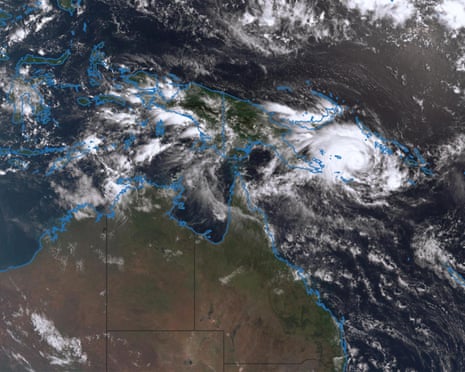
The impending arrival of Cyclone Maila comes on the heels of the devastation caused by Cyclone Narelle, which tore through the same region just a few weeks ago. The back-to-back cyclone activity in the area is concerning, as communities are still in the process of recovering from the previous storm.
Residents in the Far North Queensland region are being urged to closely follow the latest weather updates and heed any evacuation orders or warnings issued by local authorities. The potential for another powerful cyclone to strike the same area in such a short span of time highlights the increasing frequency and intensity of extreme weather events in the region, likely exacerbated by the impacts of climate change.
Despite the uncertainty surrounding Cyclone Maila's path and strength, the BoM is advising the public to remain vigilant and prepared for the possibility of another devastating storm. Emergency services and disaster relief agencies are on standby, ready to respond and support affected communities if needed.
As the cyclone season continues in the South Pacific, the potential for more extreme weather events to impact the Queensland coast remains a concern. Residents and local authorities must remain proactive in their disaster preparedness efforts to ensure the safety and resilience of their communities in the face of these growing threats.
Source: The Guardian


