
Court Blocks DOJ From Searching Washington Post Reporter's Seized Devices

Federal judge rules the court will search devices for national security documents, a victory for the Washington Post.
In a significant ruling that upholds press freedoms, a federal judge has blocked the Department of Justice (DOJ) from searching electronic devices seized from a Washington Post reporter. The judge has instead ordered the court itself to search the devices for any documents related to a national security investigation, a decision the newspaper is calling a "victory".
Magistrate Judge William Porter criticized the Trump administration for omitting relevant case law in its application for a search warrant to seize the reporter's devices in the first place. However, the judge acknowledged "the possibility that classified national security information may be among the seized material", complicating the matter.
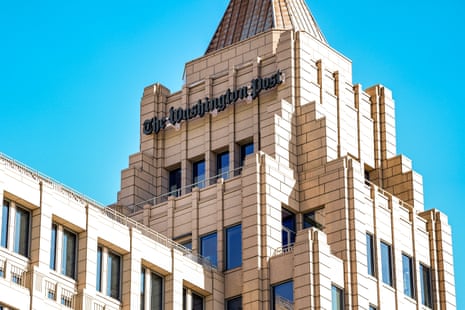
The ruling represents an important win for press freedom and the rights of journalists to protect their sources and confidential information. By placing the search process under the court's control, the judge has sought to balance national security concerns with the need to preserve the media's ability to report on sensitive matters without fear of government overreach.
"This is a victory for press freedom and the public's right to know," the Washington Post said in a statement. "The court has recognized the important role of the press in our democracy and the need to protect reporters' ability to do their jobs."
The case highlights the ongoing tensions between the government's desire to protect sensitive information and the media's responsibility to hold authorities accountable. As the Biden administration continues to navigate these complex issues, this ruling serves as a reminder of the importance of safeguarding the Fourth Estate's ability to operate freely and without undue interference.
Moving forward, legal experts will closely monitor how the court proceeds with the search of the seized devices, ensuring that the process remains fair, transparent, and mindful of the precedent-setting implications for press freedom in the United States.
Source: The Guardian


