
Commuters Rejoice: Translink Fare Freeze Extended for Second Year

Translink's decision to freeze public transport fares for the second consecutive year is welcomed by commuters, despite the financial challenges faced by the company.
Translink, the public transportation provider in Northern Ireland, has announced that it will be maintaining its fare freeze for the second consecutive year. This decision has been widely welcomed by commuters who have struggled with the rising cost of living.
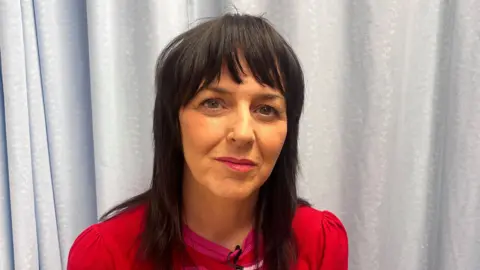
Liz Kimmins, a spokesperson for Translink, acknowledged that the decision was made in the face of a difficult funding backdrop for the public transport company. Despite the financial challenges, Translink has prioritized keeping fares affordable for its passengers.
The fare freeze is part of Translink's ongoing efforts to encourage more people to use public transportation, which is seen as a more environmentally-friendly and cost-effective option compared to private vehicles. The company hopes that by keeping fares stable, it will attract more commuters and help reduce the number of cars on the roads.
Translink's decision has been widely praised by both commuters and local politicians. Many have expressed gratitude for the company's commitment to keeping public transport accessible and affordable, especially during these challenging economic times.
The fare freeze is also seen as a positive step towards sustainable transportation and reducing the carbon footprint of the region. By making public transport more attractive, Translink hopes to encourage a shift away from private vehicles and contribute to the overall environmental sustainability of the area.
While the financial implications of the fare freeze are still being assessed, Translink remains committed to its goal of providing reliable and affordable public transportation options for the people of Northern Ireland. The company's decision to maintain the freeze for a second year is a testament to its dedication to serving the needs of its passengers and the wider community.

Source: BBC News


