
Celebrities Demand End to Chelsea Flower Show Gnome Ban

Bill Bailey and Alan Titchmarsh paint gnomes for the king's garden, calling for a permanent lift on the decades-old Chelsea ban.
The Chelsea Flower Show, one of the world's most prestigious horticultural events, has maintained a controversial ban on garden gnomes for nearly a century. This year, however, prominent celebrities are mounting a passionate campaign to overturn the restriction, arguing that these whimsical garden ornaments deserve a permanent place at the elite event held in southwest London.
Bill Bailey, the renowned comedian and musician, and Alan Titchmarsh, the celebrated gardener and television personality, have joined forces to challenge the long-standing prohibition. The duo participated in painting gnomes specifically commissioned for the king's garden at this year's event, which commences on Tuesday at the Royal Hospital Chelsea. Their involvement represents a significant moment in the ongoing debate about tradition versus inclusivity in the world of high-end gardening.
The gnome ban at Chelsea has been in place since 1927, when garden gnomes were deemed too "tacky" and aesthetically inconsistent with the refined standards of the show. For nearly a century, these charming ceramic figures have been considered incompatible with the sophisticated horticultural displays that define the Chelsea experience. However, this year's initiative, organized to raise funds for an RHS campaign, is challenging that outdated perception.

Speaking at the show's press day, Bailey and Titchmarsh made an impassioned plea to the Royal Horticultural Society to reconsider its longstanding position. They argued that garden gnomes represent a democratization of gardening culture, bringing joy and personality to outdoor spaces across all social strata. The pair emphasized that their painted gnomes for the king's garden demonstrate that these figures can be crafted with artistry and intentionality, transcending their reputation as mass-produced novelties.
The one-off collaboration is more than just a lighthearted challenge to tradition. It serves a dual purpose: celebrating the playful side of gardening while simultaneously raising crucial funding for an important RHS campaign that supports horticultural education and community engagement. By positioning gnome painting as a legitimate artistic endeavor tied to royal patronage, the celebrities are reframing the entire narrative around these garden staples.
Alan Titchmarsh, who has spent decades promoting gardening to mainstream audiences through television and literature, brought his considerable influence to the conversation. His endorsement carries particular weight given his reputation for elevating gardening standards and aesthetic awareness among the general public. Titchmarsh's support suggests that gnomes need not be confined to suburban gardens but can be appreciated in more sophisticated horticultural contexts.
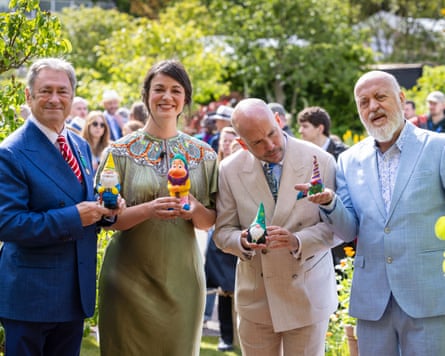
Bill Bailey's involvement adds an entertainment dimension to the campaign, reflecting his unique ability to bridge popular culture and niche interests. The musician and comedian has long demonstrated an affinity for quirky humor and unconventional perspectives, making him an ideal advocate for challenging established conventions. His participation suggests that the push for gnome acceptance is gaining cultural momentum beyond the traditional gardening community.
The Chelsea Flower Show itself represents the pinnacle of garden design achievement, attracting participants and visitors from around the globe. The event's standards have historically been so exacting that even minor design choices become matters of significant debate. The introduction of gnomes, even in a limited capacity, marks a potential shift in how the event balances tradition with innovation and inclusivity.
The fundraising aspect of this year's gnome initiative adds another layer of importance to the campaign. Rather than being treated as mere novelties, the painted gnomes created by Bailey, Titchmarsh, and other participants will be auctioned off with proceeds directed toward supporting RHS educational programs and community engagement initiatives. This transforms the gnome controversy into a vehicle for social good.
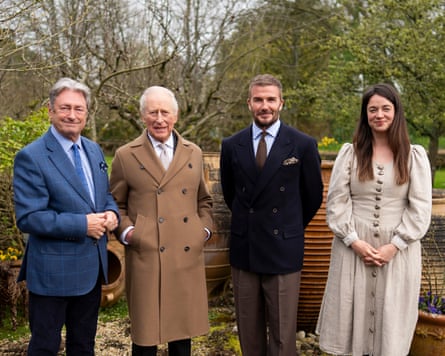
The Royal Horticultural Society now faces increased pressure to reconsider its century-old policy. With prominent cultural figures publicly advocating for change and public opinion increasingly supportive of more inclusive gardening practices, the organization may find the political landscape shifting beneath its feet. The question is no longer whether gnomes belong in gardens, but whether prestigious institutions can afford to remain inflexible about such matters.
Garden gnomes have experienced several cultural rehabilitations over the decades, transforming from purely utilitarian objects to collectible items with historical significance. Vintage gnomes have become sought-after antiques, and contemporary artists have embraced gnome creation as a legitimate art form. This cultural evolution supports the argument that gnomes have earned their place in mainstream gardening discourse.
The campaign also reflects broader conversations about accessibility and democratization in elite spaces. Gardening has traditionally been associated with class markers and exclusivity, with certain aesthetics deemed "acceptable" for presentation in high-end contexts. By advocating for gnomes, Bailey and Titchmarsh are subtly challenging these gatekeeping mechanisms and suggesting that joy and creativity in gardening should be valued regardless of their perceived "sophistication."

Whether the Royal Horticultural Society will ultimately agree to a permanent lifting of the gnome ban remains to be seen. However, the 2025 Chelsea Flower Show has already become a turning point in this debate. The participation of respected figures like Bill Bailey and Alan Titchmarsh, combined with the fundraising purpose and growing public support, suggests that the days of gnome prohibition may be numbered.
As this year's Chelsea event unfolds, visitors and observers will be watching closely to see how the painted gnomes fare in the king's garden. The reaction from attendees, critics, and the horticultural community will provide crucial insight into whether sentiment around gnomes is truly shifting. What began as a century-old policy dismissing these ceramic figures as too "tacky" may ultimately yield to a more inclusive vision of gardening that celebrates personality, creativity, and joy alongside formal aesthetics.
Source: The Guardian


