
ByteDance Restricts AI Video App After Disney Legal Action

ByteDance faces legal pressure from Disney over viral AI-generated videos featuring Spider-Man and copyrighted characters on its Seedance platform.
ByteDance, the Chinese tech giant behind TikTok, is implementing significant restrictions on its artificial intelligence video generation application following legal threats from Disney. The entertainment conglomerate has raised serious concerns about unauthorized use of its copyrighted characters and intellectual property on ByteDance's AI-powered platform called Seedance. The controversy centers around viral content featuring beloved characters like Spider-Man, which have been generating millions of views across social media platforms.
The Seedance AI video app has gained tremendous popularity since its latest update, allowing users to create sophisticated video content featuring recognizable characters from Disney's extensive portfolio. However, this technological advancement has crossed into murky legal territory, as users have been generating content that directly infringes upon Disney's carefully protected intellectual property rights. The situation highlights the growing tension between innovative AI technology and traditional copyright protections in the entertainment industry.
Disney's legal team has been particularly aggressive in protecting its character rights, especially those related to the Marvel universe, including Spider-Man, Iron Man, and other superhero properties. The company's intellectual property lawyers have reportedly sent cease-and-desist letters to ByteDance, demanding immediate action to prevent further unauthorized use of Disney-owned characters. This legal pressure represents a significant challenge for ByteDance, which has invested heavily in developing advanced AI video generation capabilities.
Industry experts suggest that this confrontation between ByteDance and Disney could set important precedents for how AI-generated content is regulated and monitored across digital platforms. The case raises fundamental questions about the responsibility of AI platform operators to prevent copyright infringement and the extent to which automated content generation can be controlled or filtered.
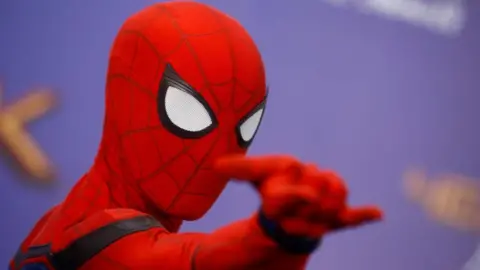
The viral nature of these AI-generated videos has amplified Disney's concerns about brand protection and character integrity. Videos featuring Spider-Man in various scenarios, often humorous or unexpected situations, have garnered millions of views and shares across multiple social media platforms. While users find this content entertaining, Disney views it as unauthorized commercial use of their valuable intellectual property, which could potentially dilute brand value or create confusion among consumers.
ByteDance's response to Disney's legal pressure includes implementing more sophisticated content filtering systems and developing enhanced recognition algorithms to identify copyrighted characters before videos are published. The company is also establishing clearer terms of service that explicitly prohibit the creation of content featuring protected intellectual property without proper authorization. These measures represent a significant shift in how the platform approaches user-generated AI content.
The AI video generation technology behind Seedance represents cutting-edge developments in machine learning and computer vision. The platform uses advanced neural networks to analyze text prompts and generate corresponding video content with remarkable accuracy and visual quality. However, the very sophistication that makes this technology impressive also creates challenges in distinguishing between original creative content and potential copyright violations.
Legal experts specializing in intellectual property law suggest that this case could influence future legislation regarding AI-generated content and platform liability. The outcome may determine whether AI platforms bear responsibility for user-generated content that infringes on copyrights, or whether individual users should be held solely accountable for their creative choices.
Disney's aggressive stance on protecting its intellectual property extends beyond just character likenesses to include storylines, distinctive visual elements, and even characteristic behaviors associated with their franchises. The company has invested billions of dollars in developing and acquiring these properties, making protection of their exclusive rights a critical business imperative. Any unauthorized use, regardless of the technology employed to create it, is viewed as a direct threat to their commercial interests.
The technological implications of this dispute extend far beyond entertainment content. As AI video generation becomes more accessible and sophisticated, similar conflicts are likely to emerge across various industries where intellectual property rights are paramount. Fashion brands, automotive companies, and other businesses with distinctive visual identities may face similar challenges as AI technology becomes more prevalent.
ByteDance's decision to implement restrictions demonstrates the company's recognition that copyright compliance must be balanced with technological innovation. The platform is developing new approaches to content moderation that leverage AI to identify potentially infringing material while still allowing users creative freedom within legal boundaries. This balance represents one of the most significant challenges facing AI-powered content platforms today.
Industry analysts predict that this controversy will accelerate the development of more sophisticated intellectual property detection systems across all major tech platforms. Companies are investing heavily in AI-powered tools that can identify copyrighted material in real-time, potentially preventing legal disputes before they escalate to the level seen between ByteDance and Disney.
The financial stakes involved in this dispute are substantial, as both companies have significant investments in their respective technologies and properties. Disney's Marvel franchise alone generates billions in annual revenue through movies, merchandise, and licensing agreements. Any unauthorized use of these properties represents not just legal violations but potential revenue losses and brand dilution concerns.
Future developments in this case will likely influence how other major entertainment companies approach AI-generated content featuring their properties. Universal Studios, Warner Bros, and other major studios are closely monitoring the situation to understand how they should respond to similar challenges with their own intellectual property portfolios.
The resolution of this dispute may also impact the broader development of AI video generation technology, as platforms seek to balance innovation with legal compliance. ByteDance's experience could serve as a template for other companies developing similar technologies, providing insights into effective approaches for managing copyright risks while maintaining user engagement and technological advancement.
Source: BBC News


