
Burnham Reassures Allies: 'Hold the Line' on Parliament Return

Greater Manchester mayor Andy Burnham tells Labour MPs he still has options to return to parliament despite potential seats falling through.
Andy Burnham, the prominent Greater Manchester mayor, has sent a resolute message to his supporters within the Labour party, urging them to maintain their commitment as he pursues a pathway back to Westminster. The veteran politician's reassurance comes at a critical juncture, following the unexpected collapse of several parliamentary seat opportunities that his inner circle had previously deemed virtually certain to materialize in his favor.
The situation represents a significant twist in the political narrative surrounding Burnham's potential return to the House of Commons. Just days earlier, on Monday evening, associates of the Greater Manchester leader had characterized at least two specific parliamentary constituencies as absolute certainties for his candidacy. However, these optimistic assessments have proved premature, as the MPs who were expected to step aside have reconsidered their positions and withdrawn their initial indications of support.
Sources close to Burnham's circle indicate that the mayor remains undeterred by these recent setbacks, maintaining that alternative routes to parliament remain available to him. The messaging to Labour colleagues underscores his determination to transition from his current civic leadership role into the national arena of Westminster politics. This strategic communication is designed to maintain morale among his supporters and demonstrate that the recent complications have not fundamentally altered his trajectory.
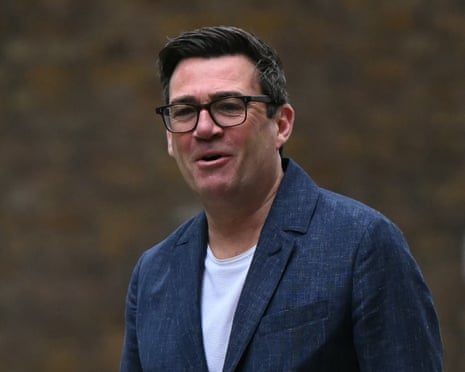
The development highlights the complex internal dynamics within the Labour party as it navigates the challenging landscape of contemporary British politics. The situation with Burnham exemplifies the delicate negotiations that often occur behind the scenes when high-profile political figures seek to transition between different positions of power and influence. The unexpected reversal of commitments suggests that some MPs may have faced pressure from their local constituency associations or experienced their own political calculations shifting.
Burnham's tenure as Greater Manchester mayor has established him as a significant figure within Labour's political infrastructure. His work managing the North's largest metropolitan area has garnered both praise and scrutiny, positioning him as a potential candidate for higher office within his party's hierarchy. The desire to move from mayoral duties to parliamentary representation reflects a broader ambition that has long been apparent within his career trajectory.
The timing of these developments adds another layer of complexity to Labour's internal political situation. With the party navigating its current position in the broader political landscape, the movement of prominent figures like Burnham carries implications beyond his personal political advancement. His potential return to parliament could influence the ideological balance and power dynamics within the Labour caucus.
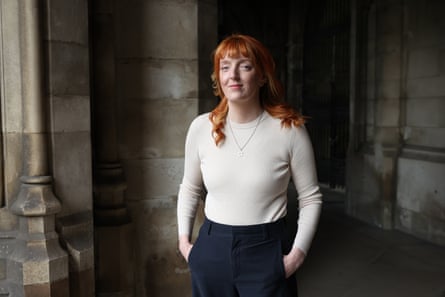
Labour MPs receiving Burnham's message are being asked to maintain their support despite the complications that have emerged in recent days. The phrase "hold the line" carries significant weight in political discourse, implying that allies should not abandon their commitment despite external pressures or unexpected obstacles. This language suggests that Burnham's team believes the situation, while temporarily setback, remains fundamentally recoverable through alternative arrangements.
The collapse of the two previously identified seats represents a notable embarrassment for Burnham's political operation. When associates describe opportunities as "nailed on" within days of their collapse, it raises questions about the quality of political intelligence and relationship management within his wider circle. Such missteps can undermine confidence among potential supporters who may question whether Burnham's team possesses the strategic capability needed to navigate complex political situations effectively.
Nevertheless, the assertion that additional options to return to parliament remain available suggests that Burnham's supporters have identified other potential pathways, whether through open seats that may emerge through retirements, constituency boundary changes, or through other mechanisms that typically create parliamentary opportunities. The specific nature of these alternative routes has not been disclosed, presumably to avoid repeating the recent embarrassment of prematurely announcing certain opportunities.

The broader context of this situation relates to the significant reorganization occurring within the Labour party at present. With changes in party leadership and direction, ambitious politicians like Burnham are navigating the shifting landscape to position themselves optimally for increased responsibilities. His potential return to parliament could represent a significant move in the party's organizational chess game, particularly if it leads to him assuming a frontbench role or shadow ministerial position.
Burnham's previous parliamentary experience provides him with advantages in returning to Westminster. Having served in the House of Commons before, he possesses the institutional knowledge and relationships that could facilitate his reintegration into parliamentary life. This prior experience distinguishes him from entirely new candidates and potentially makes him a more attractive prospect for senior party roles.
The Greater Manchester mayor's decision to communicate directly with Labour MPs about his situation demonstrates savvy political operation on his part. By framing the narrative as one of temporary setback rather than fundamental failure, he maintains momentum and keeps potential supporters engaged with his aspirations. This proactive communication strategy helps shape how the situation is understood within party circles.
Looking ahead, the situation surrounding Burnham's parliamentary ambitions will likely continue to generate interest within political circles and among observers of Labour party dynamics. Whether he successfully identifies and secures a parliamentary seat will have implications for how his political allies view the credibility of his operation and for the broader distribution of power within the party. The resolution of this situation will provide insights into Burnham's ability to navigate complex political terrain and maintain the support of his colleagues even when immediate objectives prove elusive.
The episode underscores the reality that political ambitions, even for accomplished and well-positioned figures, remain subject to unexpected complications and reversals. Burnham's resilience in responding to disappointment and his continued confidence in alternative pathways suggest a politician determined to achieve his objectives despite immediate obstacles. As events continue to unfold, the outcome of his parliamentary ambitions will be closely watched by those interested in the future direction of the Labour party and its leadership structure.
Source: The Guardian


