
Burke: Limited Options to Block 34 Australians' Return

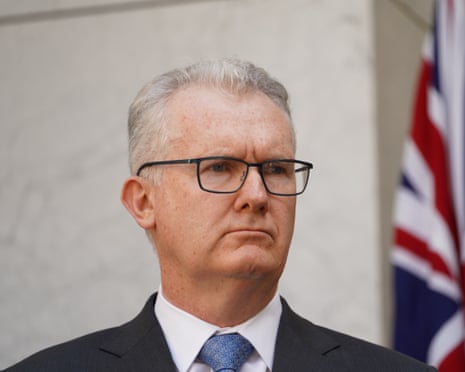
Home Affairs Minister Tony Burke says Australia has few legal options to prevent 34 women and children from returning from Syrian detention camps.
Australia's Home Affairs Minister Tony Burke has revealed that federal authorities possess detailed intelligence about the mental state and circumstances of 34 Australian women and children currently detained in Syrian camps, while acknowledging that the government's power to prevent their return to Australia remains severely constrained by legal limitations. The minister's comments highlight the complex challenges facing Australian security agencies as they grapple with the repatriation of citizens who traveled to Syria during the height of the Islamic State conflict.
Speaking about the sensitive situation, Burke emphasized that while one woman among the group is currently subject to a temporary exclusion order due to specific security concerns identified by intelligence agencies, the remaining individuals present a more nuanced challenge for authorities. The minister noted that the group is "not consistent" in their beliefs and circumstances, suggesting that each case requires individual assessment rather than blanket policy application.
The revelation comes as the Australian government continues to face mounting pressure from human rights organizations and international bodies to repatriate its citizens from the overcrowded and deteriorating conditions in Syrian detention facilities. These camps, primarily located in northeast Syria and controlled by Kurdish forces, house thousands of foreign nationals who were present in ISIS-controlled territory during the group's territorial control between 2014 and 2019.
Burke's electorate in south-western Sydney, which encompasses one of Australia's largest Muslim populations, adds another layer of complexity to his handling of this sensitive issue. The minister must balance national security concerns with community relations and the expectations of his constituents, many of whom have expressed concerns about both security measures and the humanitarian aspects of the situation.
The Syrian detention camps have become a focal point for international debate about how nations should handle their citizens who traveled to join or support ISIS. Countries across Europe, North America, and the Asia-Pacific region have adopted varying approaches, with some nations repatriating citizens for prosecution at home, while others have sought to strip citizenship or implement exclusion orders to prevent return.
Australian security agencies have developed comprehensive profiles of each individual in the camps, utilizing intelligence gathered through multiple sources including international partners, communications intercepts, and witness testimonies. This intelligence gathering has enabled authorities to assess the potential security risks posed by each person, their level of radicalization, and their likelihood of engaging in terrorist activities upon return to Australia.
The temporary exclusion orders available to the Australian government represent one of the few legal mechanisms available to prevent the return of citizens deemed to pose security risks. However, these orders are time-limited and subject to judicial review, meaning they cannot serve as permanent solutions. Legal experts have noted that Australia's obligations under international law prevent the indefinite exclusion of citizens, creating a challenging balance between security concerns and legal requirements.
Burke's warning about Pauline Hanson's recent comments targeting Muslims in Australia adds another dimension to the current political climate surrounding this issue. The minister expressed concern that inflammatory rhetoric could incite violence against Muslim communities, potentially complicating efforts to manage community relations while addressing legitimate security concerns related to returning foreign fighters and their families.
The conditions in Syrian detention camps have deteriorated significantly since the collapse of ISIS's territorial control. International humanitarian organizations have repeatedly called attention to the overcrowding, inadequate medical care, and security risks facing detainees, particularly women and children who may have had limited agency in their presence in ISIS territory.
Children in these camps present particularly complex challenges for Australian authorities. Many were brought to Syria as minors or were born in ISIS-controlled territory, raising questions about their culpability and the appropriate response from their countries of origin. Child welfare experts have argued that prolonged detention in camp conditions constitutes a form of harm that governments have obligations to address through repatriation and rehabilitation programs.
The Australian government's approach to this issue reflects broader challenges facing democracies in addressing the aftermath of the ISIS conflict. Counter-terrorism agencies must balance public safety concerns with human rights obligations, legal constraints, and international relations considerations. The complexity of individual cases, ranging from willing ISIS supporters to potential victims of trafficking or coercion, requires nuanced responses that standard policy frameworks may not adequately address.
Intelligence assessments of the 34 Australians in Syrian camps reportedly vary significantly in their conclusions about security risks. Some individuals are assessed as having been genuinely radicalized and committed to extremist ideologies, while others may have been coerced or manipulated into traveling to Syria. Women who married ISIS fighters, for example, may have had varying degrees of choice in their circumstances and different levels of commitment to the group's ideology.
The legal framework governing the return of foreign fighters and their families has evolved significantly since the peak of ISIS recruitment in 2014-2015. Australia has implemented various legislative measures designed to address terrorism-related travel, including enhanced passport cancellation powers, foreign incursion offenses, and strengthened intelligence-sharing arrangements with international partners.
Prosecution of returned foreign fighters and their associates has proven challenging in many jurisdictions due to difficulties in gathering admissible evidence from conflict zones, the complexity of proving specific criminal acts, and questions about the appropriate charges for different types of involvement with terrorist organizations. Australian prosecutors have successfully secured convictions in some cases but have also faced challenges in building cases that meet criminal law standards while addressing community expectations for accountability.
Community engagement has emerged as a crucial component of Australia's approach to managing the return of foreign fighters and their families. Counter-violent extremism programs aim to provide alternatives to prosecution for some individuals while addressing underlying factors that contributed to radicalization. These programs involve collaboration between government agencies, community organizations, and religious leaders to develop tailored intervention strategies.
The international dimensions of this issue continue to influence Australia's policy options. Coordination with allies and regional partners remains essential for gathering intelligence, managing security risks, and developing consistent approaches to repatriation and prosecution. The situation in Syria, including the ongoing conflict and the capacity of local authorities to maintain detention facilities, adds urgency to decisions about how to handle detained foreign nationals.
Burke's acknowledgment of limited options reflects the reality that democratic governments face significant constraints in addressing complex security challenges while maintaining adherence to rule of law principles. The minister's comments suggest that Australian authorities are preparing for the eventual return of at least some of the detained individuals, while working to ensure appropriate security measures and support services are in place to manage associated risks and facilitate rehabilitation where possible.
Source: The Guardian


