
Building Gym Equipment for Astronauts in Space

Scientists develop specialized exercise equipment for future space missions. Discover how astronauts will stay fit during long-duration spaceflights.
As humanity prepares for extended journeys beyond Earth's atmosphere, researchers and engineers are facing a unique challenge: designing exercise equipment for astronauts that functions effectively in the microgravity environment of space. Unlike traditional gyms on Earth, where gravity plays a fundamental role in resistance training, space-based fitness requires innovative solutions that account for the complete absence of gravitational pull. This emerging field represents a critical intersection of human physiology, mechanical engineering, and space exploration technology.
The necessity for space fitness equipment stems from decades of research showing that prolonged exposure to microgravity causes significant physiological deterioration in human bodies. Astronauts lose muscle mass at alarming rates—approximately 20 percent of their muscle strength can diminish within just five to eleven days in space. Bone density decreases at roughly one percent per month, and cardiovascular deconditioning occurs rapidly without proper exercise intervention. These challenges become increasingly critical as space agencies plan longer missions to the Moon, Mars, and beyond, where astronauts may spend months or even years away from Earth's protective gravitational environment.
Current International Space Station operations already incorporate exercise regimens, with astronauts dedicating two to three hours daily to physical activity using existing equipment. However, the current arsenal of space gym equipment was designed decades ago and requires significant improvements for future deep space exploration. Scientists recognize that developing next-generation microgravity exercise systems is essential for maintaining astronaut health, ensuring mission success, and preventing complications that could compromise crew safety during critical phases of exploration missions.
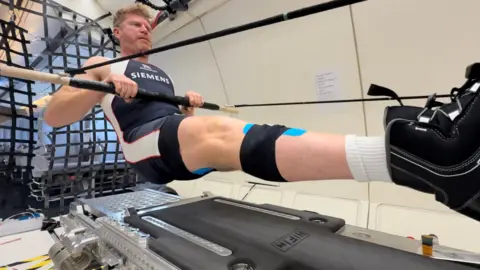
The fundamental challenge in designing space station exercise equipment lies in creating resistance without gravity. Traditional weights become useless when nothing has weight, so engineers have developed alternative resistance mechanisms. Elastic bands and springs provide variable resistance that can be adjusted by changing the number of bands used or their attachment configuration. Hydraulic and pneumatic systems offer another approach, using fluid compression to create resistance that mimics traditional weight training. These systems must be incredibly reliable, as repairs in space are complicated and limited by the confined environment and available resources.
One innovative approach gaining traction involves resistive exercise devices that use spring-loaded mechanisms to simulate weightlifting movements. The Advanced Resistance Exercise Device (ARED), currently aboard the International Space Station, represents a significant advancement in this technology. It allows astronauts to perform squats, deadlifts, and other compound exercises crucial for maintaining lower body strength and bone density. However, scientists are working on making these systems more compact, efficient, and adaptable for various body types and fitness levels, recognizing that crews will include individuals with different physical capabilities and training backgrounds.
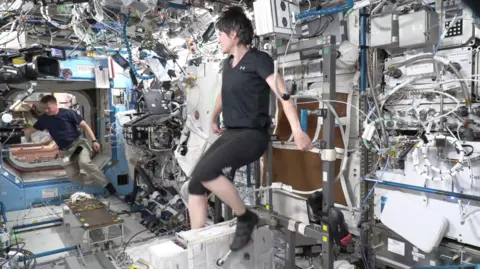
Cardiovascular conditioning presents another critical puzzle for space-based fitness engineers. Traditional treadmills and stationary bikes require gravity to keep users connected to the equipment surface. The Current Space Treadmill (T2) uses a harness system with bungee cords to secure astronauts in place while they run, allowing them to maintain cardiovascular fitness during long orbital missions. Researchers are exploring improved versions that reduce vibration transmission to the spacecraft structure, improve comfort, and enhance the cardiovascular benefits delivered during each training session. These improvements are essential for preparing crews for the intense physical demands of future planetary exploration missions.
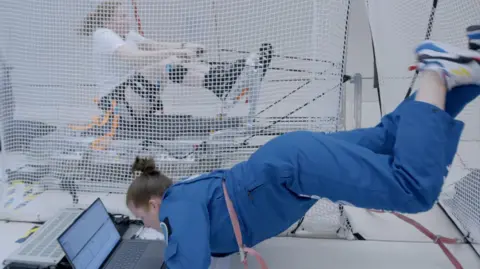
The psychological benefits of exercise in space extend beyond physical health maintenance. Regular astronaut fitness programs contribute significantly to mental well-being during extended missions in isolation. The structure and routine of daily workouts provide psychological anchors that help crews maintain morale and focus during the psychological challenges of long-duration spaceflight. Scientists and mission planners understand that addressing both physical and mental health through carefully designed exercise protocols is essential for mission success and crew welfare during the challenging journeys ahead.
Emerging technologies are opening new possibilities for space fitness innovation. Virtual reality systems could provide engaging workout experiences that motivate astronauts while delivering measurable physical benefits. Advanced biometric monitoring systems embedded in equipment could track muscle activation, heart rate, and other physiological markers in real-time, allowing mission controllers to optimize training regimens. Some researchers are exploring whether modified gravity environments created through rotating spacecraft sections could provide partial gravity alternatives that reduce some of the physiological stresses associated with complete microgravity exposure.
International collaboration plays a vital role in space exploration fitness research. The European Space Agency, NASA, Roscosmos, JAXA, and other space agencies share research findings and coordinate development efforts to ensure equipment standardization across international missions. This cooperation accelerates innovation and ensures that equipment developed by one agency can be effectively used by astronauts from partner nations, promoting efficiency and cost-effectiveness in space program operations.
Looking toward the future, scientists envision even more sophisticated microgravity fitness solutions that could revolutionize how astronauts maintain health during deep space missions. Artificial gravity generation through spacecraft rotation remains a theoretical possibility for long-duration exploration vehicles, though significant engineering challenges must be overcome. In the near term, improved spring-based systems, enhanced harness technologies, and optimized training protocols will enable astronauts to maintain adequate physical conditioning during missions lasting six months to several years.
The equipment being developed today will directly influence the success of humanity's ambitious space exploration goals. As missions extend further from Earth and duration increases, the importance of maintaining astronaut physical fitness becomes even more critical. Engineers and scientists working on these challenges understand they are not simply designing gym equipment—they are enabling human space exploration and ensuring that future astronauts can accomplish the extraordinary scientific and exploratory objectives that define the next chapter of space exploration history.
Source: BBC News


