
Budget 2025: Labour's High Stakes Week Could Make or Break

Three days into Budget 2025, Labour faces critical decisions after tax reversals and workers' rights compromises that could define their political future.
The opening days of Budget 2025 have already delivered unexpected drama for the Labour government, with significant policy reversals and strategic retreats marking what was supposed to be a defining moment for the party's economic agenda. Just three days into the budget week, Chancellor Rachel Reeves and her team have been forced to navigate treacherous political waters following a dramatic tax U-turn and what many are describing as a partial climbdown on crucial workers' rights legislation.
The Labour government finds itself at a critical crossroads, where the decisions made in the coming days could fundamentally reshape not only their immediate political fortunes but also their long-term credibility with both voters and financial markets. Political observers are closely watching how Prime Minister Keir Starmer's administration handles the mounting pressure from various stakeholder groups, including trade unions, business leaders, and backbench MPs who have expressed concerns about the government's shifting positions.
The tax policy reversal that dominated headlines earlier this week has raised serious questions about the government's preparedness and internal coordination. Sources within Westminster suggest that the U-turn came after intensive lobbying from business groups and mounting pressure from Conservative opposition members who criticized the original proposals as economically damaging. The reversal has prompted discussions about whether Labour's economic team adequately consulted with key stakeholders before announcing their initial tax measures.
BBC Political Editor Laura Kuenssberg's analysis of the situation highlights the precarious position Labour now occupies, caught between their campaign promises to working-class voters and the practical realities of governing in a challenging economic environment. The workers' rights compromise has particularly frustrated trade union leaders who had expected stronger support from a Labour government, especially given the party's historical ties to the labor movement.

The best-case scenario for Labour involves successfully navigating these early challenges while maintaining their core policy objectives and rebuilding confidence among their traditional supporters. Political strategists within the party argue that demonstrating flexibility and responsiveness to legitimate concerns could actually strengthen their position by showing they are a government willing to listen and adapt. If Labour can successfully reframe their budget adjustments as evidence of pragmatic governance rather than political weakness, they may emerge from this week with enhanced credibility.
Furthermore, the economic impact of their revised policies could provide validation for their approach if the measures succeed in stimulating growth while protecting vulnerable workers. Labour's economic advisors remain optimistic that their core budget framework will deliver the promised improvements to public services and infrastructure investment, even with the recent modifications. The government's ability to maintain business confidence while advancing their social agenda could prove crucial for their long-term success.
However, the worst-case scenario presents far more troubling prospects for the Labour administration. Critics argue that the early U-turns and compromises signal a government lacking clear direction and the political strength to implement their agenda effectively. Conservative opposition leader Rishi Sunak has already seized upon these developments to question Labour's competence and consistency, potentially undermining public trust in the government's ability to deliver on their election promises.
The political ramifications could extend well beyond budget week, with potential consequences for Labour's standing in upcoming local elections and their ability to maintain party unity. Backbench Labour MPs are reportedly expressing private concerns about the mixed messages being sent to their constituents, particularly in working-class constituencies where expectations for transformative change remain high. The risk of appearing weak or indecisive could haunt the government for months to come.
Market reactions have been closely monitored throughout this turbulent period, with currency fluctuations and bond yields reflecting investor uncertainty about the government's policy direction. Financial analysts suggest that while markets generally welcome policy stability, the perception of governmental indecision could have longer-term negative impacts on the UK's economic outlook. The budget credibility now depends largely on Labour's ability to present a coherent final package that addresses stakeholder concerns while maintaining fiscal responsibility.
International observers are also paying attention to how this budget unfolds, particularly given the UK's post-Brexit economic positioning and its relationships with key trading partners. The European Union and United States are watching to see whether Labour's economic policies will create new opportunities for enhanced cooperation or potentially complicate existing trade arrangements. The government's handling of these early challenges may influence international confidence in the UK's political stability.
Trade union responses have been particularly significant, with several major unions expressing disappointment over the workers' rights modifications. The GMB union and Unison have called for urgent meetings with government ministers to clarify the extent of the changes and seek assurances about future labor protections. The union relationships that have traditionally formed the backbone of Labour's political coalition are now under strain, requiring careful management to prevent further damage.
Business groups, while welcoming some of the government's adjustments, remain cautious about the overall direction of Labour's economic policies. The Confederation of British Industry has praised the tax U-turn but continues to express concerns about regulatory changes and their potential impact on competitiveness. The delicate balance between satisfying business interests and maintaining Labour's commitment to workers' rights presents an ongoing challenge for the government.
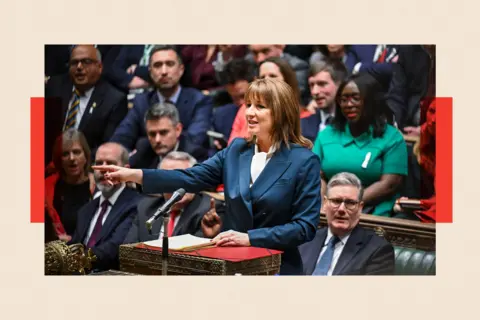
Parliamentary dynamics are also playing a crucial role in shaping the budget's trajectory, with Labour's relatively narrow majority making backbench support essential for controversial measures. Several Labour MPs have indicated they may abstain or vote against certain provisions if their concerns about workers' rights are not adequately addressed. The parliamentary arithmetic requires careful whip management and ongoing consultation with party members to ensure crucial votes are not lost.
The opposition parties are preparing coordinated attacks on Labour's budget proposals, with the Conservatives focusing on economic competence issues while the Liberal Democrats and SNP highlight specific policy concerns relevant to their constituencies. The government must now prepare robust defenses for their revised positions while attempting to regain the initiative in the broader political narrative.
Looking ahead to the remainder of budget week, Labour faces several critical decisions that will determine whether this turbulent start becomes a footnote in their governance story or a defining moment that shapes their entire term in office. The budget implementation strategy must now account for the changed political landscape and the heightened scrutiny that their early missteps have generated. Success will require not only sound economic policies but also effective political communication to rebuild confidence among key stakeholders.
The ultimate judgment of Budget 2025's impact will depend on Labour's ability to demonstrate that their willingness to adjust policies reflects strength rather than weakness, and that their core commitment to improving living standards and public services remains unchanged despite the tactical modifications made during these crucial opening days.
Source: BBC News


