
British Council Faces Backlash Over Madrid Historic Building Sale

British Council announces sale of iconic Madrid headquarters to cover Covid debt, sparking anger among European staff over pay cuts and cultural impact.
The British Council has announced plans to sell its historic headquarters in Madrid, triggering significant backlash from European staff members who argue the decision represents a troubling retreat from the organization's cultural mission. The controversial move comes as the institution grapples with substantial financial burdens accumulated during the pandemic, with leadership attempting to offset mounting debts through asset sales rather than sustained investment in educational programs.
The iconic Palacete building, located at 31 Paseo del General Martínez Campos in Madrid's prestigious Chamberí district, has served as the British Council's Spanish headquarters for approximately seven decades. This elegant structure has become synonymous with British cultural influence in Spain, hosting countless educational programs and serving as a vital hub for cross-cultural exchange between the United Kingdom and Spanish society. The building's architectural significance and historical importance to the British expatriate community make the proposed sale particularly contentious among longtime stakeholders.
Each academic year, roughly 5,000 students pass through the building's 35 classrooms, participating in English language instruction, examination preparation, and various cultural enrichment activities. Over the course of seven decades, hundreds of thousands of Madrileños have benefited from the educational services provided within these walls, with many crediting their English proficiency and understanding of British culture to their experiences at the facility. The center also functions as an essential gathering point for the broader expatriate community, hosting events, lectures, and professional networking opportunities that extend far beyond traditional language instruction.

Staff members across Europe have expressed deep concerns about the financial strategy underlying this decision, with numerous employees accusing leadership of prioritizing debt repayment over institutional values and cultural objectives. The announcement has sparked considerable tension within the organization, as workers face the prospect of significant pay cuts alongside the institutional restructuring. Many staff members view these concurrent decisions as evidence of mismanagement and a fundamental departure from the organization's stated commitment to fostering cultural understanding and educational excellence throughout Europe.
The criticism extends beyond mere financial concerns, with some employees characterizing the approach as reflecting a colonial attitude toward international operations. These critics argue that the British Council's willingness to divest from long-established institutions in favor of rapid financial solutions demonstrates a lack of respect for local communities and partnerships that have developed over generations. The discourse surrounding the sale has become increasingly heated, with social media and internal communications channels buzzing with discussions about the organization's priorities and values.
The pandemic-era debt burden that prompted these decisions has become a significant challenge for many cultural and educational organizations worldwide, forcing difficult choices between maintaining historic facilities and achieving fiscal stability. The British Council's situation reflects broader challenges facing international cultural institutions in the post-pandemic recovery period, where revenue streams contracted significantly during lockdowns and travel restrictions. Leadership has framed the asset sale as a necessary measure to ensure the organization's long-term viability, though this rationale has done little to assuage concerned staff and community members.
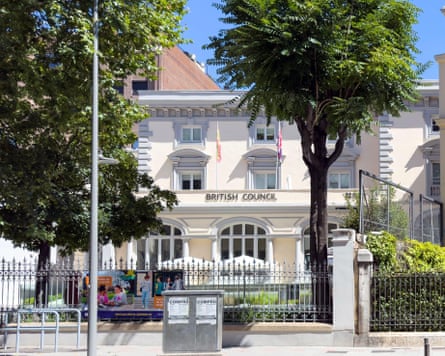
The proposed sale represents more than a simple real estate transaction; it embodies questions about the British Council's mission and its commitment to sustained engagement in European communities. For many involved in the organization's operations, the decision signals a troubling shift away from long-term cultural investment toward short-term financial expediency. The Madrid facility, in particular, has developed deep roots within Spanish society, becoming an institution in its own right that transcends purely organizational concerns.
Financial analysts note that while the sale would generate immediate capital to address accumulated debts, it may ultimately undermine the British Council's ability to carry out its educational and cultural mandate effectively. The loss of a flagship facility in a major European capital could diminish the organization's presence and influence in the region for decades to come. Furthermore, the perception of hasty divestment may damage the British Council's reputation among educational communities and cultural institutions across Europe that have historically partnered with and supported its initiatives.
The staff resistance to this proposal extends across multiple departments and job classifications, unified by concerns about both immediate economic impacts and longer-term institutional health. From English language instructors to administrative personnel, employees have voiced concerns that the organization's financial management has failed to adequately prepare for post-pandemic challenges. The disconnect between leadership decisions and staff perspectives has created significant morale challenges within the institution, with many questioning whether their contributions and expertise are genuinely valued.
Community leaders and cultural advocates throughout Madrid have also weighed in on the controversy, emphasizing the valuable role the facility has played in promoting English language proficiency and understanding of British culture throughout the city. Educational institutions that have partnered with the British Council over the years have expressed concerns about what a sale would mean for future collaboration and resource sharing. The uncertainty surrounding the facility's future has already begun affecting enrollment and staff recruitment, as both students and job applicants question the stability and long-term viability of the institution.
The British Council's leadership team has defended its position by emphasizing the necessity of addressing the Covid-era financial crisis that left many cultural organizations in precarious positions. Officials argue that without decisive financial restructuring, the organization would face even more severe consequences, potentially including broader operational shutdowns or service reductions. However, this explanation has largely failed to convince skeptical staff members who believe alternative solutions, including more modest pay adjustments or gradual cost-reduction strategies, could have achieved similar financial objectives without divesting from historic assets.
The broader implications of this controversy extend beyond Spain, raising questions about how international cultural institutions should balance financial pressures against their core missions during economic crises. The Madrid situation serves as a cautionary tale for similar organizations worldwide, highlighting the potential consequences of prioritizing short-term financial solutions over sustained institutional investment. As the debate continues, stakeholders are watching closely to see whether the British Council will reconsider its approach or proceed with the controversial sale despite mounting opposition from staff and community members.
Source: The Guardian


